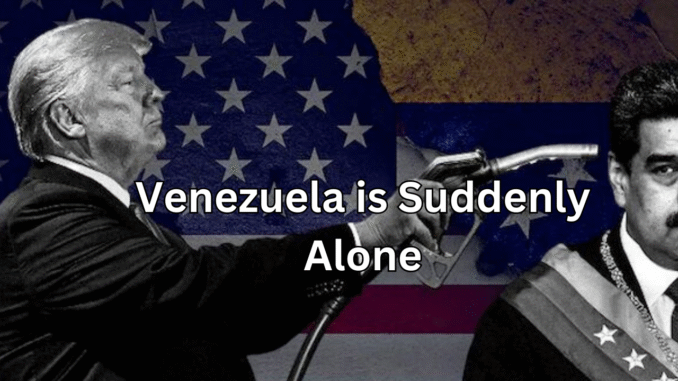
In a dramatic shift for global energy geopolitics, Venezuela finds itself increasingly isolated as its two primary allies, Russia and China, dial back their support for President Nicolás Maduro’s regime. This development, highlighted in a recent LinkedIn analysis by energy expert Giacomo Prandelli, comes at a time when U.S. pressure is intensifying, raising questions about the stability of Venezuelan oil exports and broader market implications. Stu Turley is interviewing Giacomo in a few weeks for the Energy News Beat Podcast. Make no mistake, the issues the Trump Adminstration are directly related to China, Russia, and the Monroe Doctrine
With the world’s largest proven oil reserves—estimated at 304 billion barrels—hanging in the balance, the fallout could ripple through energy markets worldwide.
The Retreat of Key Allies
Russia, long a staunch supporter of Maduro through military aid, financial backing, and oil partnerships, is now preoccupied with its ongoing conflict in Ukraine and its own sanctions burdens. According to recent reports, Moscow’s assistance has been reduced to minimal gestures, such as providing just two oil tankers to facilitate crude shipments from Venezuela to China.
This limited involvement signals a strategic pullback, as Russia prioritizes its domestic challenges over bolstering Caracas.
China, Venezuela’s largest creditor and a major buyer of its crude, is exercising even greater caution. Beijing has avoided extending new credit lines, making emergency oil purchases, or escalating diplomatic defenses for Maduro. This restraint stems from ongoing trade negotiations with the U.S. and China’s internal economic slowdown, which have made it wary of antagonizing Washington further.
Instead, China continues to rely on Venezuelan oil primarily as repayment for existing debts, creating what analysts describe as a “creditor trap” that limits deeper engagement. Even Iran, another historical backer, has remained notably silent amid its own isolation from U.S. and Israeli actions. This collective withdrawal leaves Maduro with few options: appealing to OPEC for protection, seeking back-channel diplomacy through Mexico or Brazil, or pursuing a negotiated de-escalation with the U.S.U.S. Escalation and OPEC’s Silence
The backdrop to this isolation is heightened U.S. actions under the Trump administration. Recent deployments of military forces in the Caribbean, airspace closures, and explicit threats over Venezuelan oil and regime stability have amplified the pressure.
On November 30, Maduro urged OPEC to condemn U.S. “aggression,” protect Venezuela’s reserves, and warn of potential global market disruptions. However, OPEC has not responded, focusing instead on production quota discipline rather than political entanglements.
This silence underscores Venezuela’s diminished influence within the cartel, where it remains exempt from quotas but contributes little to collective decision-making.
Implications for the Oil Market
The retreat of Russia and China heightens risks to Venezuelan oil production and exports, which have hovered around 800,000 to 1 million barrels per day in recent years, with most flowing to China and a smaller portion to the U.S. under previous exemptions.
Any escalation—such as a U.S. military intervention—could cause exports to plummet, leading to tightness in heavy crude supplies and elevated risk premiums in global oil prices.
Analysts warn that this could exacerbate volatility, especially if Chinese refiners shift to Middle Eastern sources to fill the gap.
What This Means for Chevron
Chevron, the U.S. energy giant, has been deeply entangled in Venezuela’s oil sector through joint ventures with state-owned PDVSA. However, in early 2025, the U.S. government ordered Chevron to wind down its operations and exports by April, revoking its sanctions waiver amid broader efforts to isolate Maduro.
Chevron’s CEO had warned the White House that such a move could allow Russia and China to expand their influence in Venezuelan oil fields.
Ironically, with Russia and China now stepping back, Chevron’s exit has left a potential vacuum. While the company no longer has active operations, the reduced allied support for Maduro could accelerate regime instability or transitions, potentially opening doors for U.S. firms like Chevron to re-enter under more favorable terms in a post-Maduro era. However, short-term risks include asset nationalization or further deterioration of infrastructure, which Chevron had helped maintain. For Chevron, this situation represents a loss of near-term production—previously around 200,000 barrels per day—but a possible long-term opportunity if U.S. policy succeeds in reshaping Venezuelan governance.
Impact on Investors
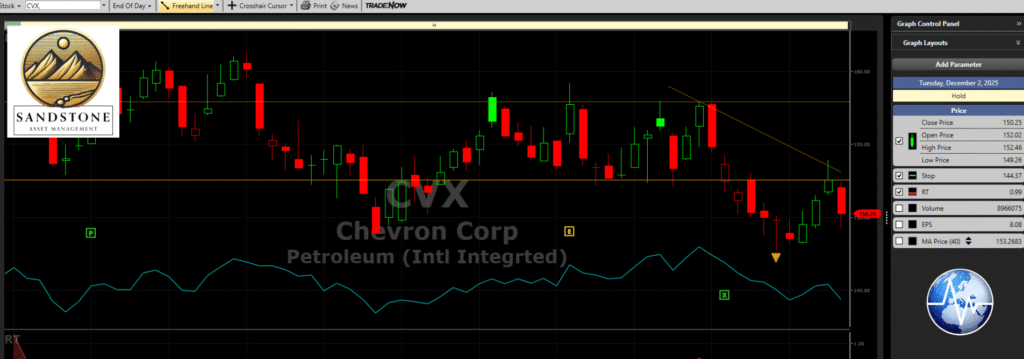
Energy investors face heightened uncertainty. The prospect of Venezuelan supply disruptions could drive up oil prices, benefiting producers in stable regions like the U.S. shale patch or Middle Eastern OPEC members. Stocks in companies with exposure to heavy crude refining, such as those in the U.S. Gulf Coast, might see gains from tighter margins.
However, broader market volatility could pressure diversified energy portfolios, especially if global food prices rise due to knock-on effects on agricultural exports tied to oil logistics.
Investors in Venezuelan bonds or related assets should brace for defaults, as Maduro’s limited options may strain debt repayments. Conversely, those betting on regime change might find opportunities in undervalued energy assets, though geopolitical risks remain high.
Consequences for Consumers
For everyday consumers, the stakes are in energy costs. A Venezuelan “shock” could add upward pressure to global oil benchmarks, potentially increasing gasoline prices at the pump by 10-20% in the event of significant disruptions.
This would hit transportation and heating costs hardest in the U.S. and Europe, while emerging markets reliant on subsidized fuels could face inflationary pressures.
On a positive note, if the isolation leads to a swift resolution—such as negotiated elections or regime transition—it might stabilize supplies long-term. But with China stockpiling crude aggressively amid its own uncertainties, global buffers may absorb some shocks.
Consumers should monitor OPEC meetings and U.S. diplomatic moves closely, as these will dictate near-term price trajectories.
In summary, Venezuela’s sudden solitude marks a pivotal moment in energy geopolitics. As Russia and China prioritize their interests, the path forward for Maduro is fraught, with profound effects on global oil dynamics. For Chevron, investors, and consumers alike, the coming months could redefine the landscape of one of the world’s most contentious energy hotspots. Stay tuned to Energy News Beat for updates on this evolving story.
Got Questions on investing in oil and gas?

If you would like to advertise on Energy News Beat, we offer ad programs starting at $500 per month, and we use a program that gets around ad blockers. When you go to Energynewsbeat.co on your phone, or even on Brave, our ads are still seen. The traffic ranges from 50K to 210K daily visitors, and 5 to 7K or more pull the RSS feeds daily.
https://energynewsbeat.co/request-media-kit/