


In a bold escalation of its energy policy toward Venezuela, the United States is taking direct control over the sale of Venezuelan oil while intensifying enforcement against the so-called “dark fleet” of tankers evading international sanctions. This move comes in the wake of the capture of former Venezuelan leader Nicolás Maduro and aims to redirect oil revenues toward rebuilding the country’s crumbling infrastructure, including its electrical grid. Energy Secretary Chris Wright and President Donald Trump have both outlined visions for this strategy, emphasizing U.S. oversight and potential benefits for American energy companies.
The Pursuit of the Marinera: A Symbol of Dark Fleet Crackdown
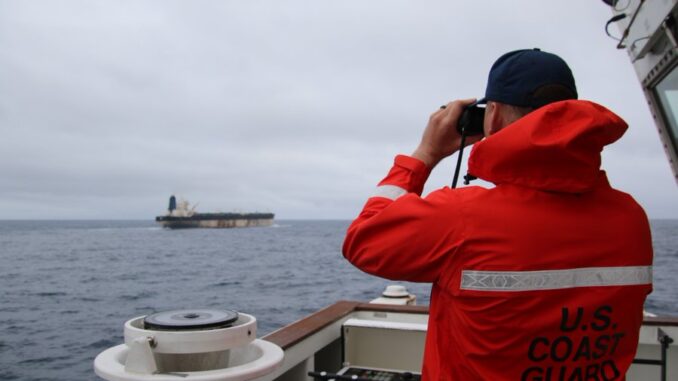
One high-profile example of U.S. enforcement is the ongoing pursuit of the tanker Marinera, formerly known as the Bella 1. This crude oil tanker, with IMO number 9230880, measures 333 meters in length and 60 meters in width, making it a very large crude carrier (VLCC) capable of transporting massive volumes of oil.
Originally flagged under Guyana, the vessel was renamed Marinera and reflagged to Russia in an apparent bid to evade capture, with crew members even painting a crude Russian flag on its side.
As of January 7, 2026, the Marinera is positioned northwest of Scotland, having fled across the North Atlantic after U.S. forces attempted to intercept it in the Caribbean.
The tanker is believed to be carrying sanctioned Venezuelan oil, part of a shadow fleet used to circumvent U.S. sanctions imposed since 2019.
Its cargo originates from Venezuelan ports, likely heavy crude from the Orinoco Belt, a region rich in extra-heavy oil reserves.
The vessel’s last reported destination was an offshore location near Curacao for potential ship-to-ship transfers, a common tactic in sanctions evasion, but it has since altered course to avoid seizure.
U.S. aircraft and Coast Guard assets have been monitoring the ship, signaling a broader crackdown on dark fleet operations that also target Russian and Iranian oil shipments.
This incident underscores the U.S. commitment to disrupting illicit oil trades. The Treasury Department has targeted traders involved in sanctions evasion, noting Maduro’s regime’s reliance on these shadow vessels.
As part of Operation Southern Spear, the U.S. has imposed a naval quarantine on sanctioned tankers, seizing vessels like the Skipper in December 2025.
The blockade of sanctioned and illicit Venezuelan oil remains in FULL EFFECT — anywhere in the world. https://t.co/iTPUWqrFiB
— Pete Hegseth (@PeteHegseth) January 7, 2026
‼️‼️🇺🇸🇷🇺 #BREAKING Despite Russia deploying a submarine to protect the tanker Bella 1 in the Atlantic Ocean, U.S. airborne forces began helicopter landings on the tanker minutes ago. An operation is currently underway to seize the tanker belonging to Russia’s shadow fleet.
See… pic.twitter.com/RllpYGVPXU
— Visioner (@visionergeo) January 7, 2026
Yesterday I published an analysis on the tanker MARINERA arguing that this was not a routine sanctions evasion case and not a simple oil shipment problem because the behavior around this vessel did not fit commercial logic and instead tracked with mission logic. Three hours… pic.twitter.com/ywMHXuUie7
— OSINT Intuit™ (@UKikaski) January 7, 2026
— OSINT Intuit™ (@UKikaski) January 6, 2026
JUST IN: The United States has seized two “ghost fleet” tanker ships including a Russian-flagged tanker linked to Venezuela following a multi-week long pursuit.
“In two predawn operations today, the Coast Guard conducted back-to-back meticulously coordinated boarding of two… pic.twitter.com/e0vSMXrYPZ
— Collin Rugg (@CollinRugg) January 7, 2026
U.S. Oversight of Venezuelan Oil Sales
The U.S. government plans to sell seized Venezuelan oil directly, with proceeds funneled into U.S.-controlled accounts to ensure they benefit reconstruction efforts rather than illicit networks.
President Trump has announced that Venezuela will turn over 30 to 50 million barrels of oil—valued at approximately $2.8 billion—to the U.S. at market prices.
This includes oil stranded in tankers and storage facilities, with sales continuing indefinitely as sanctions are gradually reduced.
Energy Secretary Chris Wright, speaking at the Goldman Sachs Energy, Clean Tech & Utilities Conference in Miami on January 7, 2026, emphasized the administration’s goal to revive Venezuelan oil production.
Wright stated that the U.S. wants oil flowing again, with all revenues directed into American-controlled accounts to fund rebuilding.
He highlighted discussions with major U.S. oil companies like Chevron and ConocoPhillips, noting that sanctions relief would pave the way for their return to recover assets and invest in infrastructure.
Wright confirmed the execution of the Venezuela oil plan, describing it as a shift from security operations to energy opportunities.
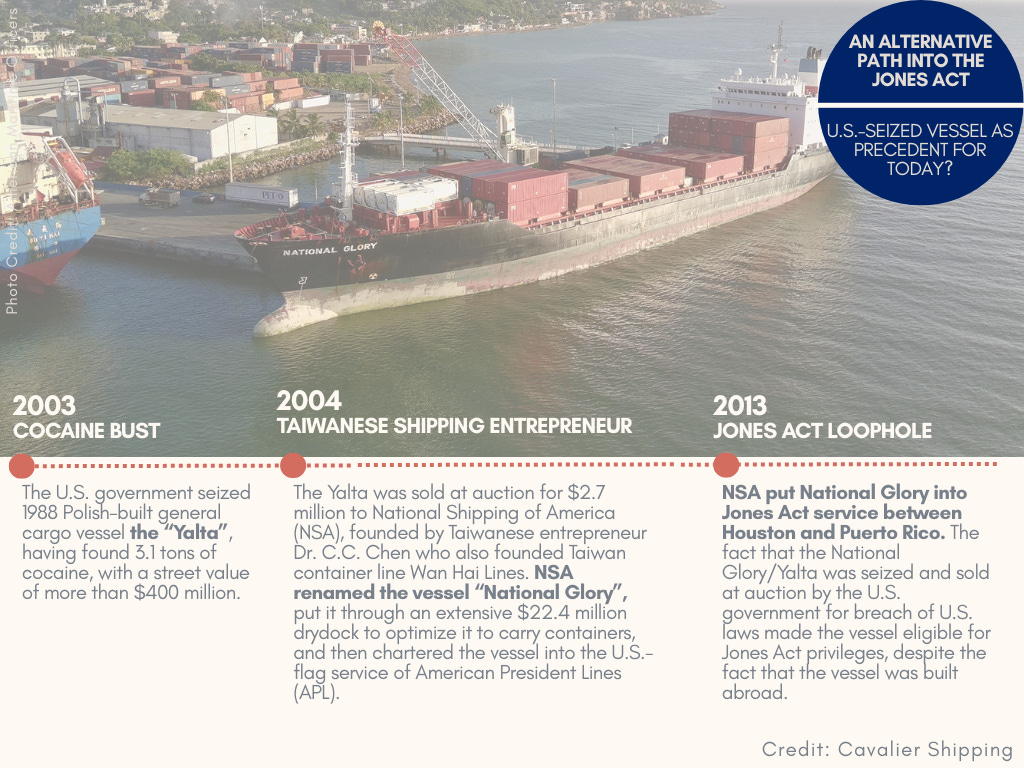
Dark Fleet Tankers – Can they be used for US Cargo?
There is case law supporting the use of captured ships, and they have been upheld even under the Jones Act.
Trump’s Vision: Oil Revenues for Infrastructure Rebuilding
President Trump has been vocal about leveraging Venezuelan oil to kickstart the country’s recovery. In recent statements, he outlined plans for U.S. oil companies to invest billions in repairing Venezuela’s dilapidated energy infrastructure, which has seen production plummet from a peak of 3.5 million barrels per day in the late 1990s to around 750,000-850,000 barrels today.
Trump suggested that these firms could be reimbursed either directly by the U.S. or through oil revenues, acknowledging the “tremendous amount of money” required.
A key focus is rebuilding Venezuela’s electrical grid, which has suffered from chronic blackouts and underinvestment. Trump emphasized that oil proceeds would fund this and other infrastructure projects, ensuring benefits for Venezuelans while compensating for past asset seizures.
He argued that American companies are “ready and willing” to make these investments, positioning the U.S. as a steward of Venezuela’s vast reserves—estimated at 303 billion barrels—until a stable transition occurs.
Implications for Global Energy Markets
This U.S.-led approach could gradually increase Venezuelan output, potentially pressuring global crude prices in the long term, though Goldman Sachs analysts predict a slow recovery due to degraded infrastructure.
It also aims to reduce reliance on sanctioned sources from Russia and Iran, diversifying supplies for markets like Asia.
However, challenges remain, including legal hurdles, low oil prices, and the need for strong incentives to attract investment. We will be tracking this development, and it appears that the right way to change Venezuela is to control the money and enforce change. President Trump’s approach appears more business-like than war-like.
We are also looking at OPEC’s relationship with Venezuela and the new United States’ influence in the oil markets. There have to be some great discussions going on around the world about the new shift in oil, energy, and geopolitical leadership. There is more to this story, and look at the post from @UKikaski, and you can see that there is more to look at. There may have been a high-value target on board or key military equipment. Russia does not simply send a sub to escort a rust bucket tanker. Watch and see, we will be tracking.
As the Marinera’s fate unfolds and U.S. companies eye re-entry, this strategy marks a pivotal shift in energy geopolitics, blending enforcement with economic reconstruction.
Source: abcnews.go.com, X, @MadBison66, @Ajay_Bagga, fortune.com, finance.yahoo.com, home.treasury.gov,



