


ENB Pub Note: This article was originally posted on City A.M., and we will be covering this on the Energy Realities Podcast on Monday Morning.
Also, we found the problem with the high cost of energy and deindustrialization in the UK. Stu Turley, on the Energy News Beat podcast, has said before that Ed has the brainpower of a Muppet.
Ed Miliband’s lack of basic understanding of energy taxation and economics was on full display here. And these numpties are in the government. It’s hardly a surprise that the country is in a total mess. pic.twitter.com/T5rr4g2Qym
— James Melville 🚜 (@JamesMelville) February 13, 2026
- Chris O’Shea, CEO of Centrica, predicts that UK electricity prices in 2030 will be higher than they were at the peak of the Russian invasion of Ukraine, primarily due to “system costs” from years of underinvestment.
- Britain’s network companies have been approved for a £28 billion initial spend on upgrading gas and electricity grids, which is part of a potential £90 billion investment pipeline.
- Ofgem estimates that these necessary grid upgrades, funded through network charges, will add £108 a year to household bills by 2031, challenging the energy secretary’s pledge to reduce average bills.
Electricity bills will be higher in 2030 than in the wake of the Russian invasion of Ukraine, the boss of British Gas has warned, as the government pushes through major upgrades to the UK’s grid infrastructure.
Chris O’Shea, chief executive of British Gas-owner Centrica, said the UK was playing catch-up after years of underinvestment, and now faced significantly higher costs.
“We’ve underinvested in the system for many years, and whether it’s the cost of building a new gas-fired power station or a new wind farm, the costs have gone up,” he said at an event hosted by the Energy Institute.
“Our projections show that the UK energy system will be one where, by 2030, the electricity price will be higher than it was at the peak of the Russian invasion of Ukraine,” he added.
O’Shea said two-thirds of the costs would be on “system costs” while the remaining third would be wholesale costs.
“Those system costs aren’t net zero costs,” he said. “They are addressing years and years of underinvestment and whether we went for net zero or new fossil fuels, we would need to incur those system costs.”
Electricity bills to rise for grid upgrades
His comments highlight the challenges facing the government in bringing down the cost of electricity bills while also upgrading the UK’s outdated grid infrastructure.
Last year Britain’s network companies were given the green light to spend £28bn on upgrading the gas and electricity grids, forming the first part of a wider investment pipeline which could cost around £90bn if approved.
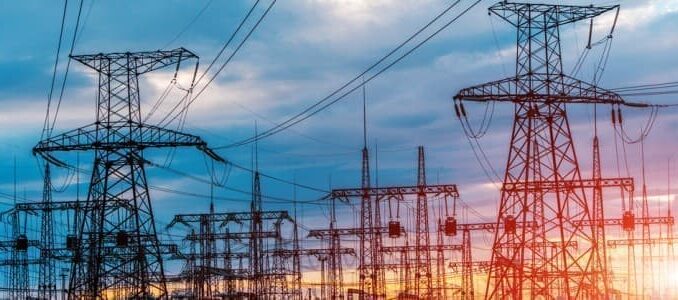
The investment will go towards new pylons and cables to connect with wind farms being constructed around the British coastline. It will primarily be funded through higher network charges on household energy bills.
Ofgem estimates that this will add £108 a year to bills by 2031, threatening energy secretary Ed Miliband’s pledge to bring down average energy bills by around £300 before the end of the decade.
Claire Coutinho, shadow energy secretary said. “If gas went to zero, bills would still rise because Ed Miliband is building a system that is incredibly expensive. Despite having an undeniably radical policy, he has never forecast the impact of his plans on your bills.”
By City AM
Get your CEO on the podcast: https://sandstoneassetmgmt.com/media/
Is oil and gas right for your portfolio? https://sandstoneassetmgmt.com/invest-in-oil-and-gas/



Be the first to comment