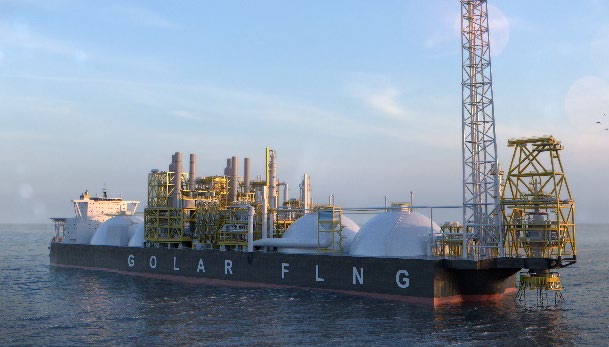
In a landmark move for South America’s energy landscape, Argentina has secured its inaugural long-term liquefied natural gas (LNG) sales agreement, signaling the nation’s ambitions to emerge as a significant player in the global LNG market. The deal, valued at approximately $7 billion, involves Southern Energy – a consortium comprising major producers like Pan American Energy (50% owned by BP Plc), YPF SA, Pampa Energia, Harbour Energy, and Golar LNG – committing to supply up to 2 million metric tons of LNG annually to Germany’s state-owned Securing Energy for Europe (SEFE) GmbH.
This eight-year heads of agreement (HoA), set to commence shipments in late 2027 on a free-on-board (FOB) basis, remains subject to finalizing a definitive contract but marks a pivotal step in monetizing Argentina’s vast Vaca Muerta shale reserves.
The Deal: A Gateway to Global ExportsThe agreement leverages floating LNG (FLNG) technology to expedite Argentina’s entry into the export market. Southern Energy plans to deploy Golar LNG’s Hilli Episeyo unit, relocating it from Cameroon to Argentine waters for an initial capacity of 2.45 million tons per annum (mtpa) starting in 2027. A second FLNG vessel, MK II, will add 3.5 mtpa from late 2028, bringing the combined output to around 6 mtpa.
This setup allows for rapid deployment without the need for extensive onshore infrastructure, addressing one of the key bottlenecks in Vaca Muerta’s gas development.Rodolfo Freyre, Chairman of Southern Energy and a representative from Pan American Energy, highlighted the deal’s significance: “This agreement with SEFE constitutes the first large-scale LNG sales agreement for Argentina and a key milestone for the future development of the Vaca Muerta gas resources.”
On the buyer’s side, SEFE’s Chief Commercial Officer Frédéric Barnaud emphasized diversification: “SEFE’s first LNG partnership with a South American supplier not only contributes to the geographic diversification of our portfolio but also strengthens Europe’s energy security.”
The pact comes amid Europe’s ongoing efforts to reduce reliance on Russian gas, with SEFE – nationalized from Gazprom in 2022 – actively expanding its LNG sourcing. For Argentina, it represents a shift from domestic energy self-sufficiency to export-oriented growth, potentially reversing the country’s energy trade deficit.

Vaca Muerta: The Shale Engine Driving the BoomAt the heart of this development is Vaca Muerta, one of the world’s largest shale formations, often compared to the U.S. Permian Basin. Production from the patch has surged, with shale oil output reaching record levels and gas following suit. YPF, Argentina’s state-backed energy giant and a key stakeholder in Southern Energy, has been instrumental in this growth. The company operates the largest shale footprint outside the U.S., with 55% of its 2024 production coming from shale plays.
However, challenges persist. Gas development in Vaca Muerta is more complex than oil due to infrastructure needs, including pipelines and liquefaction facilities. A second major LNG project led by YPF has yet to receive final investment decision (FID), though interest from buyers like India could accelerate progress.
Broader investments are pouring in: Mexico’s Vista plans to inject $4.5 billion to boost output, while ADNOC’s XRG has joined Eni and YPF in another LNG venture targeting 12-18 mtpa initially.
Argentina’s government envisions $30 billion in annual energy exports by 2030, with Vaca Muerta as the catalyst. This could generate $40 billion in exports annually over the next decade, stabilizing the economy amid ongoing reforms.
YPF’s Latest Earnings: Mixed Signals Amid Growth PushYPF’s third-quarter 2025 results, released on November 7, provide context for its role in the LNG push. The company reported a net loss of $198 million, primarily due to elevated tax expenses, swinging from a profit in the prior year.
Revenues fell 12% year-over-year to $4.6 billion, pressured by lower Brent crude prices.
However, adjusted EBITDA held steady at $1.4 billion, supported by a 30.9% drop in operating expenses to $1.356 billion and efficiency gains in shale operations.
Shale oil production rose, underscoring Vaca Muerta’s momentum, but the tax hit highlights fiscal pressures in Argentina’s volatile environment.Forward-Looking Outlook: Ambitious Targets with RisksYPF’s Investor Day 2025 presentation outlines aggressive growth plans. Shale oil net production is projected to climb from 122 thousand barrels per day (KBBL/D) in 2024 to 470 KBBL/D by 2030, while shale gas rises from 51 million cubic meters per day (MM3/D) to higher levels supporting LNG feeds.
Total hydrocarbons output could double to 1,000 thousand barrels of oil equivalent per day (KBOE/D) by 2030, with exports comprising 70% of oil and 40% of gas volumes.
On LNG, YPF eyes multiple phases: Argentina LNG 1 (FID 2025, 20-30% stake with ENI), LNG 2 (FID Q4 2025, 25% stake with Shell, two FLNGs totaling 10 mtpa), and LNG 3 (FID mid-2026, 30-35% stake), potentially scaling to 28 mtpa overall.
Capital expenditures (CAPEX) are guided at $5.0-5.2 billion for 2025, focusing on upstream (shale) and midstream expansions like the Vaca Muerta Oil South (VMOS) pipeline to boost export capacity to 930 KBBL/D by 2028.
Risks include market volatility, geological uncertainties, and Argentina’s macroeconomic challenges like inflation and country risk premiums. Forward-looking statements emphasize that actual results could differ based on Brent prices (sensitivity: free cash flow impacts at $60-80 per barrel) and project financing success.
What Investors Should Watch For
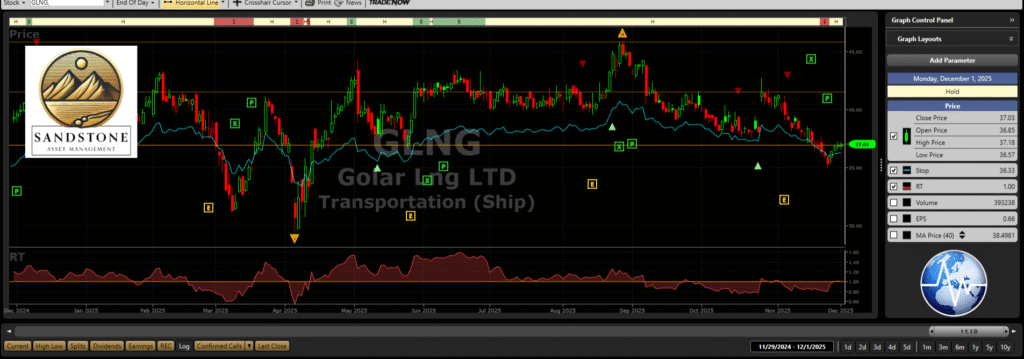
For investors eyeing Argentina’s energy surge, Vaca Muerta offers compelling opportunities but demands caution:Key Stocks and Plays: YPF (NYSE: YPF) remains the bellwether, with its ADR trading as a direct bet on shale growth. Look for production ramps and LNG FIDs as catalysts. Pampa Energia (NYSE: PAM) and Vista Energy (NYSE: VIST) provide exposure to gas and oil, respectively, with Vista’s $4.5 billion commitment signaling confidence.
Indirect plays include BP (via Pan American) and Golar LNG (NASDAQ: GLNG) for FLNG tech.
Market Points: Monitor global LNG demand, particularly in Europe and Asia, where spot prices and long-term contracts could boost revenues. Argentina’s export targets ($40 billion annually) could strengthen the peso and reduce import dependency, but geopolitical shifts (e.g., U.S. LNG competition) pose threats.
Investing Risks and Rewards:
Upside includes undervalued assets amid reforms under President Milei, with Vaca Muerta’s low breakeven costs (~$40-50 per barrel). Downside: Political instability, debt refinancings (YPF has 91% of 2025 maturities covered), and execution risks on mega-projects.
fundssociety.com +1
Diversify via ETFs like Global X MSCI Argentina (ARGT) for broader exposure.
|
Metric
|
2024 Actual
|
2025E
|
2030E
|
|---|---|---|---|
|
Shale Oil Production (KBBL/D)
|
122
|
165
|
470
|
|
Shale Gas Production (MM3/D)
|
51
|
73
|
~191 (peak 2028)
|
|
Total CAPEX ($B)
|
~4.2
|
5.0-5.2
|
5.2
|
|
Energy Exports ($B annually)
|
N/A
|
Growing
|
~40
|
This deal not only bolsters Argentina’s shale boom but also reshapes Atlantic Basin LNG dynamics. As Vaca Muerta ramps up, savvy investors will track FID milestones, earnings beats, and macro stability for entry points in this high-potential frontier.
Got Questions on investing in oil and gas?

If you would like to advertise on Energy News Beat, we offer ad programs starting at $500 per month, and we use a program that gets around ad blockers. When you go to Energynewsbeat.co on your phone, or even on Brave, our ads are still seen. The traffic ranges from 50K to 210K daily visitors, and 5 to 7K or more pull the RSS feeds daily.
https://energynewsbeat.co/request-media-kit/