


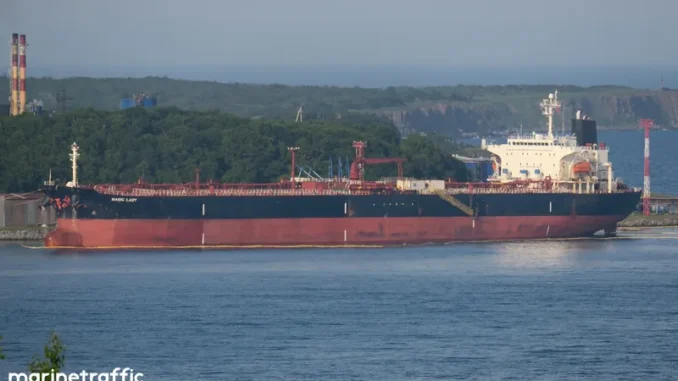
In a move that echoes the tense standoffs of the Cold War era, a tanker believed to be laden with Russian fuel is steaming toward Cuba, directly challenging the stringent sanctions imposed by U.S. President Donald Trump. The vessel, identified as the Sea Horse, is projected to arrive in early March, potentially providing much-needed relief to Cuba’s spiraling energy crisis while risking a high-stakes confrontation in the Caribbean.
This development comes amid Cuba’s severe shortages of fuels for cooking, transportation, and electricity generation, with available power plummeting since the start of the year and satellite imagery revealing nighttime light levels dropping by up to 50%.
Background on the Blockade and Cuba’s Energy Woes
President Trump’s administration has ramped up pressure on Cuba by effectively cutting off its primary oil lifeline from Venezuela, a policy shift that began in earnest following U.S. interventions in the region earlier this year.
This “quarantine” of sanctioned vessels aims to isolate Havana economically, with Trump publicly urging Cuba to negotiate a deal “before it is too late.” The blockade has exacerbated an already fragile situation on the island, where blackouts and fuel rationing have become commonplace, disrupting daily life, air travel, and economic activity.
Russia, a long-time ally of Cuba dating back to Soviet times, has stepped in to fill the void. In recent weeks, Moscow has pledged to send crude oil and fuel cargoes as “humanitarian aid,” defying Trump’s threats of tariffs on any nations supplying energy to the island.
Russian President Vladimir Putin has vocally condemned the U.S. measures, stating during a meeting with Cuban Foreign Minister Bruno Rodríguez Parrilla that the Kremlin finds the blockade “unacceptable” and will not tolerate such restrictions.
This rhetoric underscores Russia’s commitment to bolstering Cuba amid escalating geopolitical rivalry.
Details of the Sea Horse Voyage
According to maritime intelligence from Kpler Ltd., the Sea Horse departed from a Russian port and is en route to Cuba with a cargo of fuels.
While specifics on the volume remain undisclosed, this shipment follows Russia’s earlier delivery of 100,000 metric tons of oil to Cuba in February 2025.
The tanker’s journey is being closely monitored, as it navigates waters patrolled by U.S. forces enforcing the blockade.
Recent cross-checks reveal no major updates on the Sea Horse’s status as of February 20, 2026, but related incidents highlight the volatility. The Trump administration has already seized multiple shadow-fleet tankers, including the Venezuelan-linked, Russian-flagged Aquila II in the Indian Ocean after a pursuit originating in the Caribbean.
This marks the sixth such interception, signaling Washington’s aggressive stance against vessels defying the quarantine.

Potential Impacts on Cuba
For Cuba, the Sea Horse’s arrival could be a lifeline. The island’s energy imports have been halted for nearly a month, with reserves nearing depletion.
Successful delivery would alleviate immediate shortages, stabilizing power grids and reducing blackouts that have left citizens in the dark—literally and figuratively. However, if intercepted, it could deepen the crisis, leading to “catastrophic” outcomes as warned by local experts.
Cuba’s reliance on limited aid from Mexico and Russia exposes its vulnerability, potentially forcing Havana into diplomatic concessions or further economic isolation.
Ramifications for Russia
Russia’s involvement positions it as a defiant counterweight to U.S. dominance in the Western Hemisphere. By shipping oil despite tariff threats, Moscow not only supports a key ally but also diverts some of its surplus crude amid global buyer shortages stemming from ongoing sanctions related to Ukraine.
Yet, this comes with risks: asset seizures, like the Aquila II, could escalate costs, and a naval confrontation might strain Russia’s resources already stretched by other conflicts. Putin’s public stance reinforces Russia’s global influence but could invite broader retaliatory measures from the U.S.Broader Geopolitical Tensions
This tanker saga amplifies U.S.-Russia frictions, evoking memories of the 1962 Cuban Missile Crisis. A potential standoff in the Caribbean could test military resolve, with Russian Foreign Minister Sergey Lavrov urging dialogue over blockade enforcement.
Geopolitically, it underscores the weaponization of energy in international relations, potentially destabilizing Latin American alliances and influencing global oil markets. If Russia succeeds, it might embolden other nations to challenge U.S. sanctions; failure could solidify Trump’s hardline approach, further isolating Cuba and pressuring Moscow.
As the Sea Horse approaches Cuban waters, the world watches closely. This isn’t just about fuel—it’s a litmus test for the balance of power in an increasingly multipolar world. Stay tuned to Energy News Beat for updates on this unfolding energy and geopolitical drama.
Get your CEO on the #1 Energy Podcast in the United States: https://sandstoneassetmgmt.com/media/
Is oil and gas right for your portfolio? https://sandstoneassetmgmt.com/invest-in-oil-and-gas/



Be the first to comment