


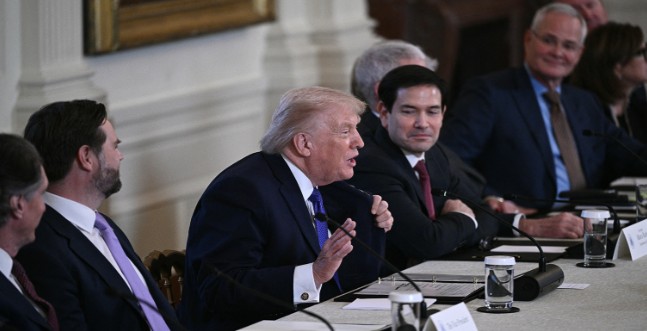
In a bold move aimed at reshaping U.S. energy policy and international relations, President Donald J. Trump signed an Executive Order on January 9, 2026, titled “Safeguarding Venezuelan Oil Revenue for the Good of the American and Venezuelan People.” This order declares a national emergency to protect funds derived from Venezuelan oil sales that are held in U.S. Treasury accounts, shielding them from judicial seizures, creditors, and other legal actions.
The action comes amid broader efforts to revive Venezuela’s crumbling oil sector, encourage massive investments from U.S. and European energy giants, and redirect oil flows away from adversaries like China and Russia.
Summary of the Executive Order
The Executive Order invokes the International Emergency Economic Powers Act and the National Emergencies Act to address what the administration describes as an “unusual and extraordinary threat” to U.S. national security and foreign policy. At its core, the order prohibits any attachment, judgment, lien, or other judicial process against “Foreign Government Deposit Funds”—defined as revenues from Venezuelan oil sales or related resources held by the U.S. Treasury on behalf of Venezuela’s government, including entities like Petroleos de Venezuela, S.A. (PDVSA) and the Central Bank of Venezuela.
Secretary Chris Wright’s Interview
The idea that President Trump is “holding Venezuela’s oil hostage” is nonsense!
Another example of Democrats struggling to accept President Trump’s record of success! pic.twitter.com/cJRoFQ2wCX
— Secretary Chris Wright (@SecretaryWright) January 10, 2026
Key provisions include:
Nullification of Judicial Actions: Any attempts to seize or garnish these funds through U.S. courts are deemed null and void, overriding prior contracts or licenses.
Restrictions on Dealings: Transfers, payments, or other transactions involving these funds are banned unless explicitly authorized by the Treasury Secretary, in consultation with the Secretaries of State and Energy.
Sovereign Immunity Assertion: The funds are declared sovereign property of Venezuela, held in U.S. custody for governmental and diplomatic purposes, not commercial activities. This prevents private creditors from claiming them and emphasizes their role in supporting Venezuela’s stability, which in turn aids U.S. goals like curbing illegal immigration, narcotics trafficking, and countering influences from Iran and Hezbollah.
Administrative Oversight: The Treasury Secretary must designate and manage these accounts, assert sovereign immunity in legal proceedings, and report to Congress. The order supersedes previous executive actions on Venezuelan assets and mandates compliance across U.S. agencies.
The White House fact sheet highlights that this protection is essential for economic and political stability in Venezuela, which has seen its oil production plummet from over 3 million barrels per day to around 800,000 bpd under socialist policies.
By safeguarding these revenues, the administration aims to use them for humanitarian aid, infrastructure rebuilding, and democratic transitions in Venezuela—potentially requiring the country to purchase U.S.-made goods with oil proceeds.
This EO builds on Trump’s meetings with oil executives from companies like ExxonMobil and Chevron, where he promised “total safety” for investments and urged at least $100 billion in commitments to Venezuela’s oil and mineral sectors.
Reports indicate the U.S. has already secured deals to divert up to 50 million barrels of Venezuelan oil from China, with revenues potentially managed outside traditional Treasury channels for faster deployment.
Implications for Investors
For energy investors, this Executive Order signals a potential gold rush in Venezuela, home to the world’s largest proven oil reserves (over 300 billion barrels). By firewalling revenues from creditor claims—such as those from bondholders seeking repayment on defaulted debt—the order clears a major hurdle for new investments.
U.S. firms like ExxonMobil ($XOM) and Chevron ($CVX) stand to benefit immensely, with Trump explicitly courting them to revive production infrastructure crippled by sanctions and mismanagement.
Positive aspects:Investment Opportunities: The promise of “total safety” and U.S.-overseen market mechanisms could lure billions in capital, potentially boosting stock values for companies involved in heavy crude refining, which Venezuela specializes in.
Diversification: Redirecting oil from China and Russia to U.S. markets enhances energy security and could open new revenue streams for American producers and refiners.
Long-Term Gains: If production ramps up, global supply increases could stabilize prices, benefiting upstream investors while pressuring OPEC dynamics.
However, risks remain: Venezuelan debt holders may face prolonged delays in recoveries, leading to losses for funds exposed to PDVSA bonds. Political instability could deter cautious investors, and the order’s emergency declaration might face legal challenges. Overall, this looks bullish for Big Oil stocks, with analysts eyeing a revival akin to post-sanctions Iran—but with stronger U.S. control.seattletimes.com
Implications for Consumers
On the consumer side, the EO could translate to lower energy costs and greater stability at the pump. Venezuela’s increased output—potentially jumping back toward 2-3 million bpd with U.S. investments—would flood the market with additional supply, exerting downward pressure on global crude prices.
For American drivers and households, this means cheaper gasoline and heating oil, especially as Venezuelan heavy crude complements U.S. refining capabilities.
Broader benefits:
Energy Affordability: Diverting oil from adversarial buyers like China could reduce U.S. import premiums and enhance domestic energy independence, echoing Trump’s “America First” agenda.
Economic Ripple Effects: Stabilizing Venezuela might curb migration and drug flows, indirectly lowering social costs for U.S. taxpayers and consumers.
Global Market Stability: By countering “predatory deals” from Russia and Iran, the order promotes fairer pricing, potentially easing inflation in energy-dependent sectors like transportation and manufacturing.
Drawbacks? Short-term disruptions if legal battles ensue or if production ramps unevenly. But for consumers weary of volatile prices, this EO positions Venezuelan oil as a strategic asset for American wallets.
Looking AheadPresident Trump’s Executive Order marks a pivotal shift in U.S.-Venezuela relations, prioritizing energy dominance and mutual prosperity over past punitive measures. As the administration pushes for democratic reforms in Caracas—tied to oil revenues funding U.S. goods and services—the energy world watches closely.
For investors eyeing high-reward plays and consumers hoping for relief at the pump, this could be the start of a new era in hemispheric energy cooperation.
Stay tuned to Energy News Beat for updates on this developing story, including expert interviews on the podcast.
Sources: whitehouse.gov, bloomberg.com, nytimes.com, foxnews.com



Be the first to comment