


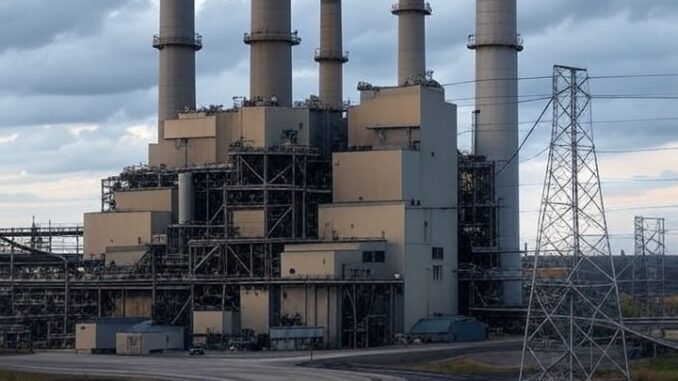
In a bold move poised to reshape America’s energy landscape, President Donald Trump is set to repeal the 2009 EPA endangerment finding—a cornerstone of federal climate regulations that declared greenhouse gases (GHGs) as a threat to public health and welfare. This repeal, expected imminently, would dismantle the legal foundation for numerous Obama- and Biden-era rules aimed at curbing emissions from vehicles, power plants, and other sources. Proponents argue it will unleash economic growth, lower energy costs, and bolster traditional energy sectors like coal, natural gas, and nuclear. Critics, including climate advocacy groups, warn of environmental backsliding and vow fierce legal opposition.
The endangerment finding, issued under the Obama administration following a Supreme Court mandate in Massachusetts v. EPA, has underpinned regulations estimated to impose over $1 trillion in compliance costs on American businesses and consumers. By revoking it, the Trump administration aims to eliminate what it calls “hidden taxes” on the economy, paving the way for a sweeping regulatory rollback.
Key Regulations Targeted for Rollback
The repeal would directly impact a wide array of EPA rules tied to GHG emissions:
Vehicle Emissions Standards: This includes light-duty, medium-duty, and heavy-duty vehicle regulations, often criticized as an implicit “electric vehicle mandate.” Repealing these could end requirements for increasingly stringent fuel efficiency and emissions controls, affecting model years from 2023 onward.
Power Plant Emissions Rules: Standards for new and existing fossil fuel-fired plants, such as the Clean Power Plan remnants and Biden-era updates, would be nullified. This encompasses limits on carbon emissions from coal- and gas-fired facilities.
Other Sector-Specific Regs: Broader implications extend to oil and gas operations, including methane leak controls, and potentially preempt state-level emissions laws in places like California.
The EPA’s proposal emphasizes that these rules have stifled innovation and raised costs without proportional benefits, citing recent Supreme Court decisions like West Virginia v. EPA and Loper Bright Enterprises v. Raimondo that limit agency overreach.
Impacts on Consumers: Lower Costs and Greater Choice
One of the primary selling points of the repeal is its potential to deliver substantial savings to everyday Americans. The EPA estimates that rescinding the endangerment finding and associated regulations could save over $54 billion annually in compliance costs, with small businesses benefiting from at least $170 billion in relief.
This translates to lower energy bills, cheaper vehicles, and reduced operational expenses for industries reliant on affordable power.For consumers, the rollback could mean:Cheaper Cars and Trucks: By easing fuel efficiency mandates, new vehicle prices might drop by around $930 to $1,000 per unit, as automakers avoid costly technology investments.
This promotes “true consumer choice,” allowing buyers to opt for traditional gasoline-powered options without regulatory penalties.
Reduced Energy Bills: Households could see annual savings of hundreds of dollars as power companies face fewer mandates to shift from fossil fuels. The administration projects broader economic benefits, including lower heating and business operation costs, amid a push to “unleash American energy.”
Overall Savings Projections: Independent analyses align with EPA figures, suggesting the repeal could avert $19 billion in regulatory costs over 20 years for power sectors alone.
Broader rollbacks under Trump’s agenda are touted to slash trillions in “hidden taxes,” stabilizing prices amid rising demand.
However, some studies counter that long-term fuel and maintenance costs might rise without efficiency standards, potentially offsetting initial savings.
The administration dismisses these as overstated, emphasizing immediate relief for working families.
Boosting Traditional Energy: Clean Coal, Natural Gas, and Nuclear Acceleration
The repeal is a lifeline for fossil fuel and nuclear industries, which have argued that climate regs unfairly tilt the market toward renewables. By removing GHG oversight, power companies can maintain and expand operations without the “economy-crushing” burdens of emissions controls.
Clean Coal’s Revival: Coal-fired plants, facing retirement under prior rules, could extend lifespans. Reduced compliance costs—potentially billions annually—would make “clean coal” technologies more viable, preserving jobs in coal-dependent regions. The administration’s focus on expediting leases and permits aligns with this, countering global coal phaseouts.
Natural Gas Expansion: As a bridge fuel, natural gas benefits from lifted methane regulations and power plant standards. This could lower operational risks, encourage exports, and cut global coal use indirectly, as U.S. LNG displaces dirtier alternatives abroad.
Analysts predict reduced costs for gas-fired utilities, enhancing grid reliability amid growing electricity needs.
Speeding Up Nuclear: Nuclear energy, already low-emission, gains from a deregulatory environment that streamlines approvals and reduces overlapping climate mandates. Without GHG-focused transitions, nuclear can compete on reliability merits, with potential for new builds. The repeal aligns with broader efforts to eliminate barriers like EV subsidies, fostering a “level playing field” for all baseload sources.
Overall, these changes could add capacity to the grid, addressing shortages from retiring plants and supporting economic growth.
Potential Legal Battles: Climate Groups Gear Up for Fight
Environmental organizations, such as the Sierra Club and Environmental Defense Fund, are preparing lawsuits, arguing the repeal ignores scientific consensus and is “arbitrary and capricious.” They point to upheld court challenges to the original finding, including D.C. Circuit rulings and Supreme Court denials as recent as 2023.
Key battlegrounds:Scientific Basis: Challengers will claim the EPA’s reliance on “fringe science” or selective reports undermines the repeal’s validity.
Procedural Flaws: Issues with advisory groups and public comment periods could invite claims of legal violations.
Timeline: Litigation might drag into 2027-2028, potentially reaching the Supreme Court, where conservative justices could revisit Massachusetts v. EPA.
The administration counters that evolving science and court precedents justify the move, predicting a win for deregulation.
Looking Ahead: A New Era for U.S. Energy?
This regulatory overhaul signals Trump’s commitment to energy dominance, prioritizing affordability and independence over emissions reductions. While climate groups decry it as a setback, supporters see it as essential for revitalizing American industry. As legal skirmishes loom, the energy sector braces for a transformative shift—one that could redefine power production for generations.
Sources: news.harvard.edu, eenews.net,earthjustice.org,congress.gov, epa.gov, politico.com
Get your CEO on the podcast: https://sandstoneassetmgmt.com/media/
Is oil and gas right for your portfolio? https://sandstoneassetmgmt.com/invest-in-oil-and-gas/




Be the first to comment