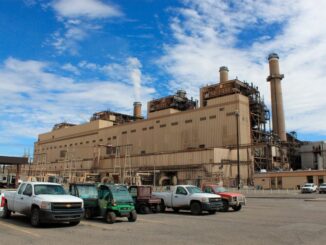
If Shakespeare were writing a play now instead of “To Be or Not To Be,” he would say, “To keep the Lights On, Or Not“. And if Yoda were involved instead of “Do or not, there is no Try.”, it would be “Open they must, or dark they be.”
The artificial intelligence boom is reshaping America’s energy landscape in unexpected ways. As data centers powering AI applications multiply across the country, their insatiable appetite for electricity—projected to double from 2024 to 2025 and increase eightfold by 2030—has collided with the realities of an aging U.S. power grid.
What was once a steady march toward retiring outdated fossil-fuel plants has slowed dramatically, with utilities opting to keep older coal, natural gas, and oil facilities online to avert blackouts and meet surging demand. This shift underscores a harsh truth: the green energy transition is being tested by the very technologies promising to revolutionize our world.
The Surge in Delayed and Canceled Plant Closures
In recent months, a wave of postponements and cancellations has swept through planned power plant retirements, particularly in regions with high concentrations of data centers like the PJM Interconnection, which serves 13 states and the District of Columbia.
According to recent analyses, about 23 fossil-fuel plants—primarily oil, natural gas, and coal peakers designed for short bursts of high-demand power—were slated for retirement starting in 2025 or shortly thereafter.
However, around 60% of these, or roughly 13 to 14 plants, have either delayed or outright canceled their shutdowns.
Nationwide, the trend is even more pronounced for coal-fired facilities. Utilities had initially planned to retire 34.2 GW of coal capacity between 2025 and 2027, but that figure has been revised down by 12.6% to 29.9 GW as operators pump the brakes.
At least 15 coal plants have seen their retirements delayed since January 2025 alone, bucking a decades-long decline in coal’s role in U.S. energy production.
This includes a mix of baseload and peaker plants, with some extensions pushing operations out by years or even decades.
Here are some notable examples of delayed closures, highlighting the types of stations involved:
Coal Plants:
Gibson Generating Station (Indiana, Duke Energy): A 3,300 MW coal facility, originally set to phase out coal by 2035, now extended to 2038 with units converted to co-fire natural gas and coal. Reason: Surging demand from data centers and AI.
Dave Johnston Power Plant (Wyoming, PacifiCorp): Three coal units had 2027 retirements canceled; plans now include carbon capture by 2030. Driven by overall energy demand growth and regulatory changes.
Columbia Energy Center (Wisconsin, Alliant Energy): Delayed from 2026 to 2029 to address grid stability amid rising loads.
Four Corners Power Plant (New Mexico): Extended from 2031 to 2038 due to reliability needs.
Plants Bowen and Scherer (Georgia, Southern Company): Coal units delayed amid data center boom in the Southeast.
Additional PacifiCorp sites like Hunter and Huntington (Utah) and Jim Bridger, Naughton, and Wyodak (Wyoming): Potential extensions to 2045 or beyond, with conversions to other fuels considered.
Oil and Gas Peakers:
Fisk Power Plant (Illinois, NRG Energy): Oil-fired peaker kept online beyond its scheduled retirement.
Eddystone Plant (Pennsylvania, Constellation Energy): 55-year-old oil units ordered to remain operational by the U.S. Department of Energy.
Wagner Peaker (Maryland): Retained at PJM’s request while transmission upgrades are completed.
These delays are largely attributed to the explosive growth in electricity consumption from AI-driven data centers, which can require over 1 GW each—equivalent to a large coal or nuclear plant.
Compounding factors include supply chain issues for renewables, natural gas price volatility, and policy shifts under the Trump administration, which have relaxed enforcement of pollution standards and prioritized existing infrastructure.
Implications for Electricity Consumers
For everyday consumers, this pivot toward prolonging fossil-fuel operations is a double-edged sword. On one hand, it enhances grid reliability, acting as a “last line of defense” against blackouts during peak demand periods exacerbated by severe weather, electrification, and AI loads.
PJM’s warnings highlight that deactivating these plants could ignore current supply shortages, potentially leading to widespread outages that cost businesses billions annually.
However, the costs are steep. Peaker plants are inefficient and expensive to run, with peaking power prices in PJM soaring over 800% in summer 2025 compared to the prior year.
reuters.com, frontiergroup.org, politico.com
This could translate to higher electricity bills, as utilities pass on operational expenses. Historical precedents from the 1970s show that overinvestment in unneeded infrastructure led to massive rate hikes.
frontiergroup.org, politico.com
Moreover, extended reliance on coal and oil increases pollution, reversing a 15-year decline in emissions and imposing health costs on communities near these facilities.
The MIT Energy Initiative notes that powering data centers is already raising prices and slowing the shift to clean energy, potentially locking in higher long-term costs for consumers.
Opportunities and Risks for Investors
Investors in the energy sector may find short-term windfalls in this resurgence of fossil fuels. With demand outpacing supply, retained plants—many already paid off—offer economic savings and profitability, especially as peaker operations become lucrative amid high prices.
Stocks in utilities like Duke Energy, Southern Company, and PacifiCorp could benefit from extended asset lifespans, and independent power producers may capitalize on market-driven extensions.
Yet, the long view is riskier. Nearly 99% of U.S. coal plants are more expensive to operate than replacing them with solar, wind, and storage, potentially stranding assets and missing out on $589 billion in new clean energy investments.
Pending EPA rules requiring 90% carbon capture for plants operating past 2039 add compliance costs, while environmental pressures and falling renewable prices threaten viability.
Delays could also hinder broader market shifts, with AI demand forecasted to consume up to 9.1% of U.S. electricity by 2030, favoring diversified portfolios that balance fossil extensions with green tech.
A Grid at the Crossroads
As AI continues to drive unprecedented energy needs, the U.S. grid’s reliance on aging fossil-fuel plants highlights the tension between immediate reliability and sustainable progress. While these delays provide a temporary buffer, they underscore the urgent need for investments in transmission, storage, and renewables to avoid a future of higher costs and environmental setbacks. For consumers and investors alike, the AI revolution is a reminder that innovation comes with power—literally and figuratively.
Sources: powermag.com, spglobal.com, oilprice.com, energy.mit.edu , reuters.com, frontiergroup.org, politico.com