In a notable development for global energy markets, a group of U.S. oil executives traveled to Caracas last week for direct talks with Venezuela’s acting President Delcy Rodríguez. The meeting, reported by Bloomberg, occurred as the Trump administration continues its aggressive push to revive Venezuela’s long-dormant oil sector following the January 2026 ouster of former President Nicolás Maduro.
Accompanying the executives was a top U.S. Energy Department official. The delegation included:
Doug Lawler, CEO of Continental Resources
Bryan Sheffield, founder of Formentera Partners (a Texas-based independent oil company)
Kevin McCarthy, board member of Aspect Holdings LLC
The primary goal: secure assurances on investment safety and legal protections as U.S. companies explore re-entry into one of the world’s most oil-rich nations.
Why Venezuela Matters — and Why It’s Complicated
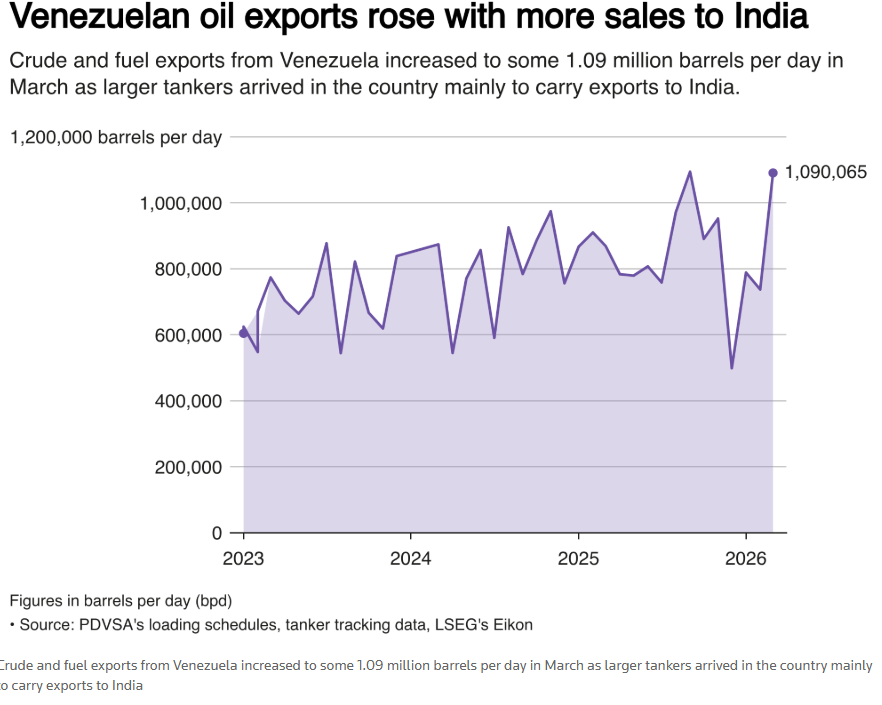
Venezuela sits atop the world’s largest proven oil reserves — approximately 303 billion barrels, mostly heavy crude in the Orinoco Belt. At its peak in the late 1990s/early 2000s, the country produced over 3 million barrels per day (bpd). Today, output hovers around 800,000–1 million bpd due to decades of underinvestment, infrastructure decay, sanctions, expropriations, and mismanagement.
Ramping up production won’t be easy. Industry analysts estimate $100–183 billion in capital expenditure would be needed over the coming decade to restore meaningful output (per estimates from firms like Rystad Energy). Key hurdles include:
Dilapidated infrastructure: Pipelines, refineries, and export terminals are in poor condition and require massive upgrades.
Heavy oil challenges: Venezuelan crude is viscous and sulfur-rich, demanding specialized refining capacity that many U.S. and global refineries lack without costly modifications.
Political and legal risks: Past nationalizations (including under Hugo Chávez) left companies like ExxonMobil and ConocoPhillips with billions in unresolved claims. New contracts must navigate legacy disputes, debt restructuring, and potential future instability.
Skilled labor and operational gaps: Years of exodus have left a shortage of experienced engineers and technicians.
Time lag: Even with the best-case investment, meaningful production increases could take 3–10 years — not an overnight fix.
Despite these obstacles, the Trump administration is betting big on U.S. companies leading the revival, offering security guarantees and potential sanctions relief to de-risk the play. Earlier White House meetings in January 2026 with broader industry leaders (including Chevron, ExxonMobil, and ConocoPhillips) underscored the administration’s $100 billion+ investment target.
A Potential Goldmine for Patient Investors?
For investors, the upside is clear — if the risks can be managed. Successful re-entry by U.S. independents like Continental Resources and Formentera Partners could deliver outsized returns. These smaller, more agile players often move faster than majors and have shown interest in high-reward, high-risk international plays.
Stock implications: Companies that secure favorable contracts could see share-price gains as reserves are booked and production ramps. Broader oil majors with existing exposure (e.g., Chevron, which has remained active) may also benefit from sector-wide momentum.
Portfolio angle: Energy-focused ETFs, oil-service providers (drilling, infrastructure), and midstream companies stand to gain from increased activity. However, volatility remains high given geopolitical and oil-price risks.
Analysts note that with U.S. backing, the political risk premium could shrink significantly, turning Venezuela into a strategic long-term bet for diversified energy portfolios.
What About Consumers?
On the consumer side, success in Venezuela could eventually translate to lower oil and gasoline prices. A meaningful increase in global supply (even 1–2 million bpd over time) would ease pressure on markets already navigating OPEC+ cuts, geopolitical tensions elsewhere, and growing demand.
Short-term impact may be limited due to the multi-year timeline, but longer-term, it represents a bullish supply-side development that could help moderate energy costs for American households and businesses — aligning with the Trump administration’s “energy dominance” goals.
Bottom Line
The Caracas meeting signals continued momentum in Washington’s Venezuela oil strategy. While technical, financial, and political challenges make rapid production growth unlikely, the prize — access to the planet’s largest reserves — makes it a compelling opportunity for companies willing to play the long game. We have reached out to Bryan Sheffield to see if he can hop on the Energy News Beat Podcast.
Investors should watch for contract announcements and U.S. policy updates in the coming months. For consumers, the meeting offers hope of future relief at the pump, provided the ambitious revival plan overcomes Venezuela’s well-documented hurdles.
Appendix: Sources and Links
- Bloomberg: “US Oil CEOs Meet Venezuela President as Trump Seeks Oil Revival” (April 23, 2026) — https://www.bloomberg.com/news/articles/2026-04-23/us-oil-ceos-meet-venezuela-president-as-trump-seeks-oil-revival?srnd=phx-industries
- Reuters, Politico, AP, CNBC, and NPR coverage of January 2026 White House oil executive meetings and Venezuela context (various dates, January 2026).
- Background data on Venezuelan reserves and production from industry estimates (Rystad Energy and public energy reports).
Energy News Beat will continue monitoring developments in U.S.–Venezuela energy relations.