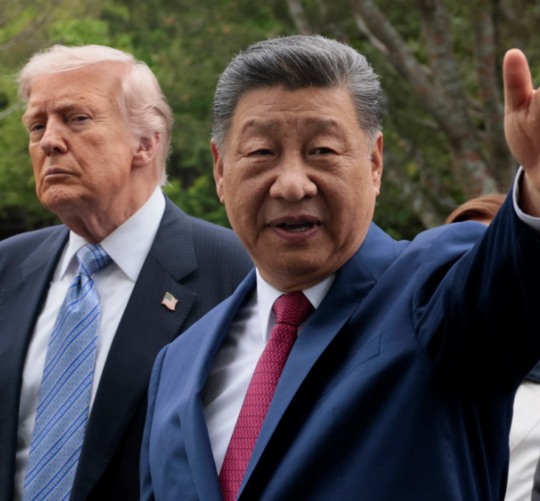
Chevron, Eni, and a broader group of firms signed energy agreements in Caracas on September 2, 2026, with U.S. Energy Secretary Chris Wright and acting Venezuelan President Delcy Rodríguez present.

The pacts target higher crude output from existing and new acreage under Venezuela’s reformed hydrocarbons law, separate from the larger U.S.-backed North American Blue Energy Partners (NABEP) arrangement announced days earlier by President Trump. Wright described the package as “tens of billions” in investments and a “transformation for Venezuela.” Rodríguez credited Trump administration efforts for […]

Continue Reading

Russia’s surprise return to a G20 finance meeting in Asheville, North Carolina, this week laid bare a widening rift.

European attendees openly scorned the presence of Russian Finance Minister Anton Siluanov, who attended at the invitation of the Trump administration—the first in-person Russian participation since the 2022 invasion of Ukraine. German Vice Chancellor and Finance Minister Lars Klingbeil called the signal “quite troubling” and insisted “you cannot simply return to normality.” European officials refused […]

Continue Reading

What Is the Reason for the 1000% Increase in Power costs to Consumers?

American electricity customers are facing sticker shock that goes far beyond ordinary inflation. In the nation’s largest grid region, PJM Interconnection—serving 65 million people across 13 states and Washington, D.C.—capacity prices have risen from roughly $29 per MW-day in the 2024/2025 auction to $270, then $329–$333 per MW-day in subsequent auctions. That is an increase […]

Continue Reading

The White House’s August 31, 2026 fact sheet details a landmark oil agreement that grants North American Blue Energy Partners (NABEP) 100-year concessions on 17 Venezuelan fields holding roughly 65 billion barrels of proven reserves.

The U.S. government receives a 35% equity stake in NABEP’s corporate parent via the Department of War’s Office of Strategic Capital, a guaranteed right to buy 20% of offtake at production cost, and a right of first refusal on the remaining 80%. U.S. governance rights include veto power over board appointments, a requirement that a […]

Continue Reading

UK refineries are being killed off by high carbon costs. How U.S. Blue States are following the same playbook

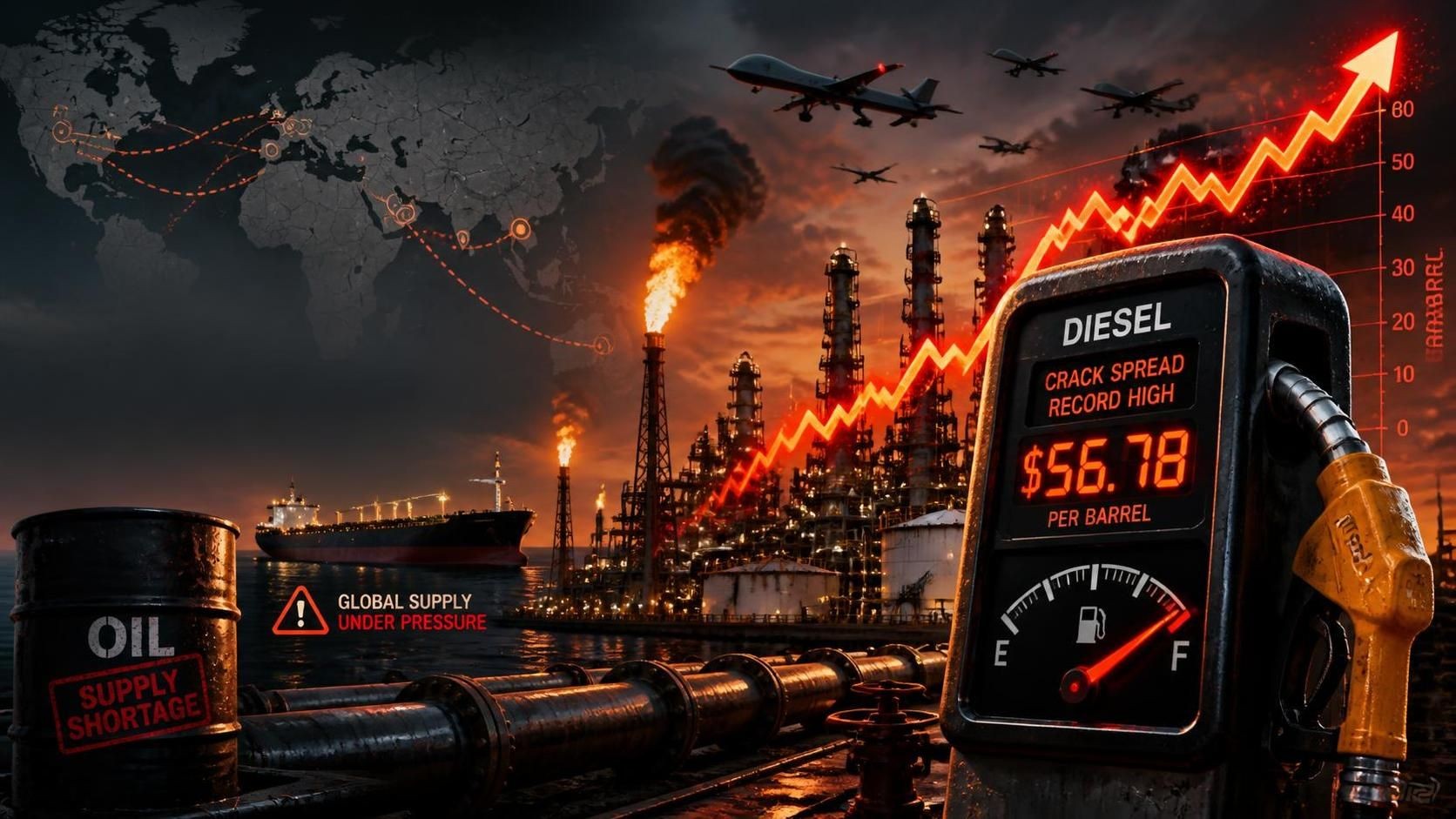
Britain’s downstream oil sector is shrinking in real time. Two refineries closed in 2025—Grangemouth in April and Lindsey in August—leaving only four operating sites: Fawley, Humber, Pembroke, and Stanlow. Liquid fuels still account for 47 percent of UK final energy consumption. There are no scalable near-term substitutes for diesel in freight, agriculture, and construction or […]

Continue Reading