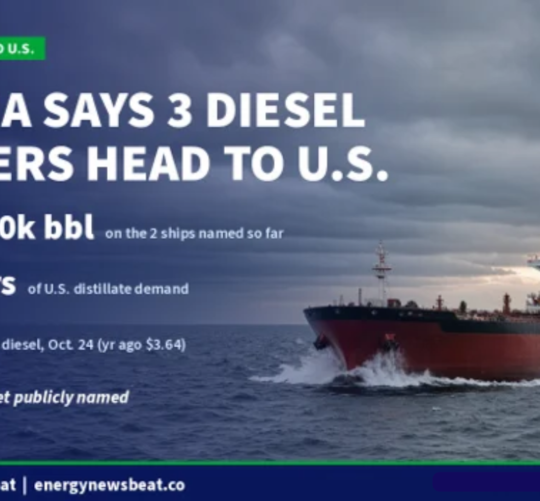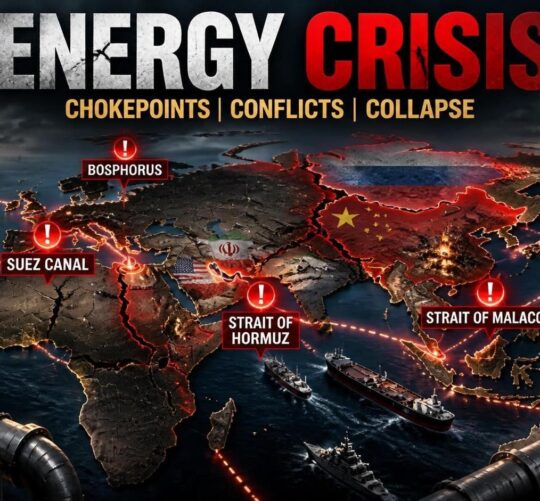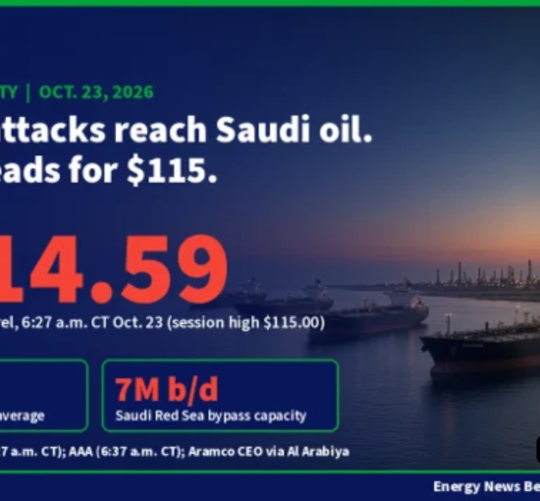
Tankers burning in Hormuz, and Secretary Wright is highly confident Europe will dump emergency diesel stocks

Tankers are burning in the Strait of Hormuz, visible traffic through the waterway has collapsed to a fraction of normal levels, and U.S. Energy Secretary Chris Wright says he is “highly confident” Europe will draw down emergency diesel stocks to ease a global shortage. The combination is keeping a firm geopolitical premium in crude while […]

Continue Reading

China now adding stress to diesel markets – Where do we go from here?

China is once again withholding refined products from the global market, layering fresh stress onto an already strained diesel complex. On October 1, 2026, trade sources reported that Chinese refiners have suspended oil-product exports for October to destinations other than Hong Kong and Macau, pending new guidance from Beijing. State-owned major PetroChina has canceled planned […]

Continue Reading

Doug Ford and Danielle Smith’s Northern Shield Energy Corridor is a 3,300-kilometre all-Canadian crude oil pipeline proposal from Hardisty, Alberta, to Sarnia, Ontario.

Announced in July 2026 and still at the feasibility-study stage, it would initially move 500,000 barrels per day (expandable to 800,000) of Western Canadian crude to Sarnia’s refining hub. Ontario is leading the study, due by the end of 2026, and Ford has said the province is prepared to provide “patient capital” while seeking private […]

Continue Reading

From Prosecutor to Congress: How Texas is Securing America’s Energy Future

Welcome back to the Energy News Beat podcast. Today we’re diving into one of the most critical conversations happening in American politics—energy security, economic policy, and leadership. Our guest is Eric Flores, a former federal prosecutor, Captain in the Texas Army National Guard, and congressional candidate running in South Texas’s District 34 with President Trump’s […]

Continue Reading

President Trump’s 2026 Jones Act waivers moved tens of millions of barrels of U.S. energy that the domestic fleet could not carry. Freight savings are real but modest on a national scale; the larger story is avoided shortages, reopened domestic routes, and a live stress test of a 1920 law that left the United States with too few ships.

On March 17, 2026, the Department of Homeland Security issued the longest and broadest Jones Act waiver since at least 1950, covering energy commodities and fertilizer inputs. The waiver was extended twice and now runs through November 15, 2026, with a narrower product list and voyage-by-voyage review after August 17. The Cato Institute’s Jones Act […]

Continue Reading