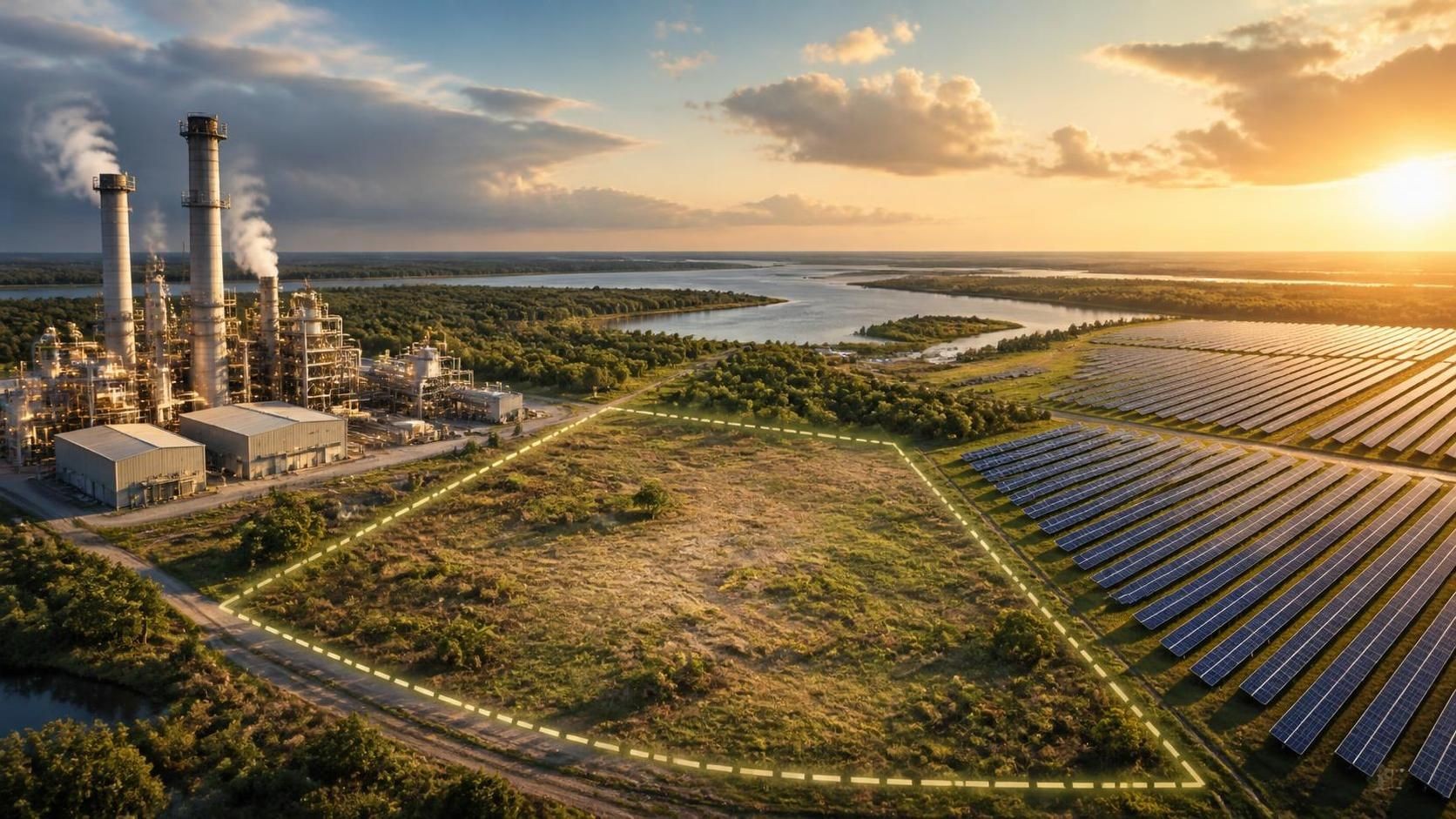
Solar Claims to be the Cheapest Power In History, and States are Running from it

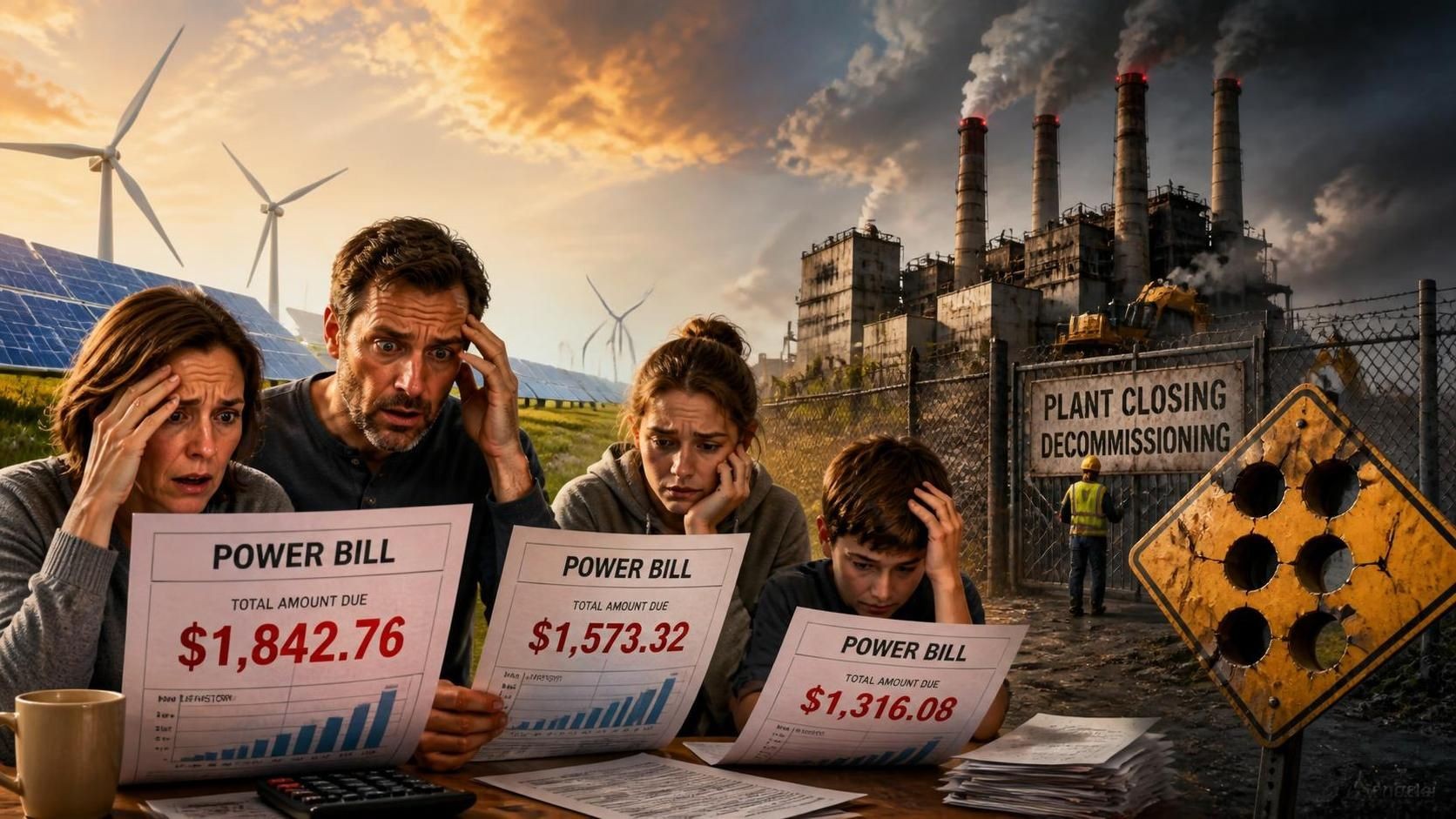
There is a difference between Red and Blue States The headline from a June 19, 2026, OilPrice.com article captures a striking tension in U.S. energy policy: solar is repeatedly called “the cheapest power in human history” by sources like the IEA, yet multiple states—particularly blue ones—are dialing back aggressive renewable targets amid rising costs, reliability concerns, […]

Continue Reading

An Economic Assessment of the 765-kV Strategic Transmission Expansion Plan Brent Bennett, Ph.D. talks about An Alternative Approach to Enable Cost-Effective Growth

Texas is facing explosive electricity demand growth from the Permian Basin’s oil and gas operations, data centers, manufacturing, and electrification. In response, ERCOT and the Public Utility Commission of Texas (PUC) have fast-tracked the 765-kV Strategic Transmission Expansion Plan (STEP)—including the Permian Basin Reliability Plan (PBRP)—a massive build-out of high-voltage transmission lines designed to import […]

Continue Reading

The Energy Shock Is Not Yet Here, and the Energy Transition Did Not Lessen the Dependency on Oil, Gas and Coal

The world is once again staring down the barrel of an energy crisis. With the Strait of Hormuz effectively closed amid escalating tensions from the Iran conflict, global markets are in panic mode over potential disruptions to oil and liquefied natural gas (LNG) supplies. Prices are spiking, supply chains are under threat, and governments are […]

Continue Reading

Since 2007, Shale Gas Has Saved U.S. Consumers Approximately $200 Billion Annually — A Quiet Revolution in Affordability

A new analysis from the Energy Institute at Haas at UC Berkeley quantifies what many in the energy sector have long known: the shale gas revolution, powered by hydraulic fracturing and horizontal drilling, has delivered extraordinary savings to American consumers. According to Lucas Davis’s May 2026 working paper and accompanying blog post, shale gas has […]

Continue Reading

UN Climate Panel Quietly Admits Its Doomsday Climate Scenarios Were ‘Implausible’ – How much money has been spent on Net Zero because of lies?

The United Nations’ Intergovernmental Panel on Climate Change (IPCC) has quietly conceded that the extreme “doomsday” climate scenarios that have driven global energy policy, media headlines, and trillions in spending for more than a decade were never realistic. In a major update to its modeling framework for the upcoming Seventh Assessment Report (CMIP7), the IPCC […]

Continue Reading