What a wild day on the News Desk. President Trump ordered the U.S. Navy to escort ships through the Strait of Hormuz, and Iran started lobbing drones and missiles around. Bagdad Bob showed up in Iran and claimed that they hit a US ship, but they did not.
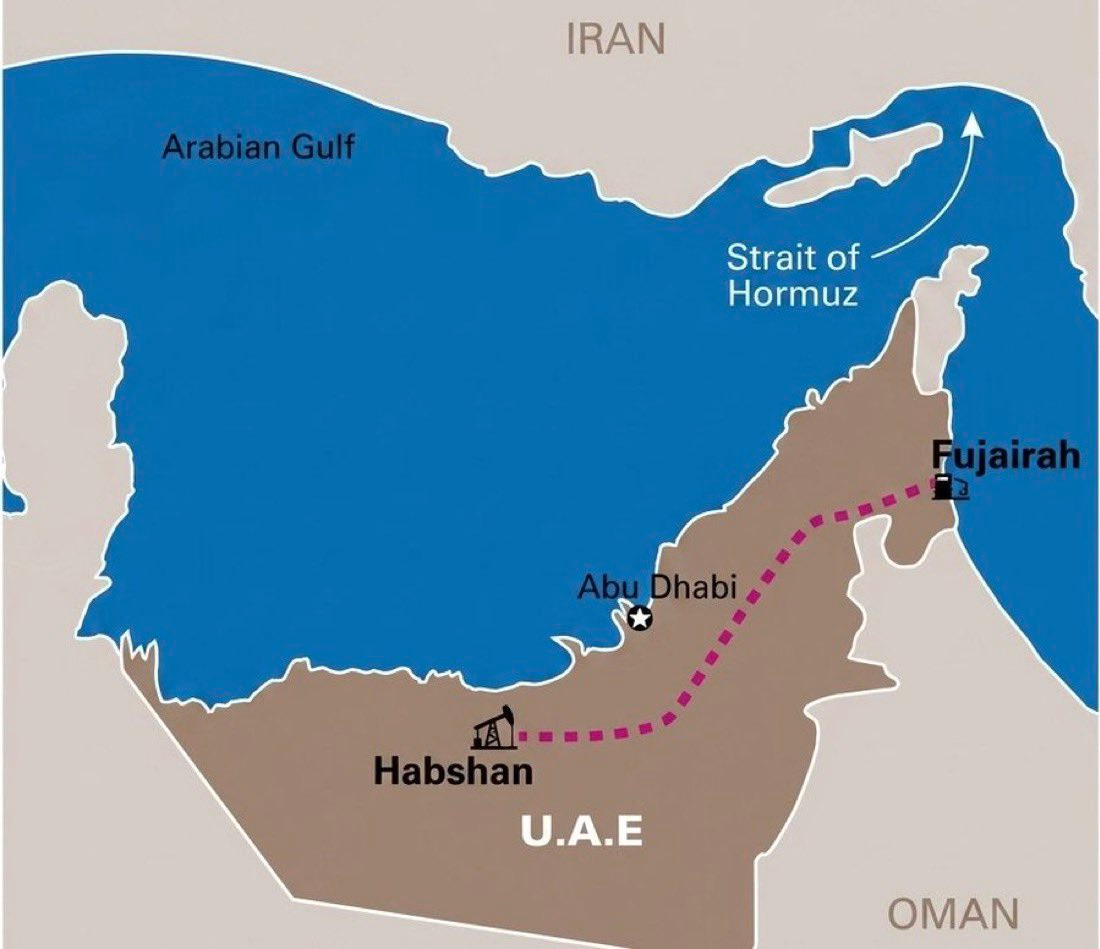
It will be interesting to see what the breaking point of the Gulf Nations is, and when they start attacking Iran’s oil infrastructure. The drone strikes were on the pipeline that bypasses the Strait of Hormuz, and it was not damaged too badly. We are currently trying to obtain the assessments.
1. Middle East Geopolitical Tensions & Energy Security
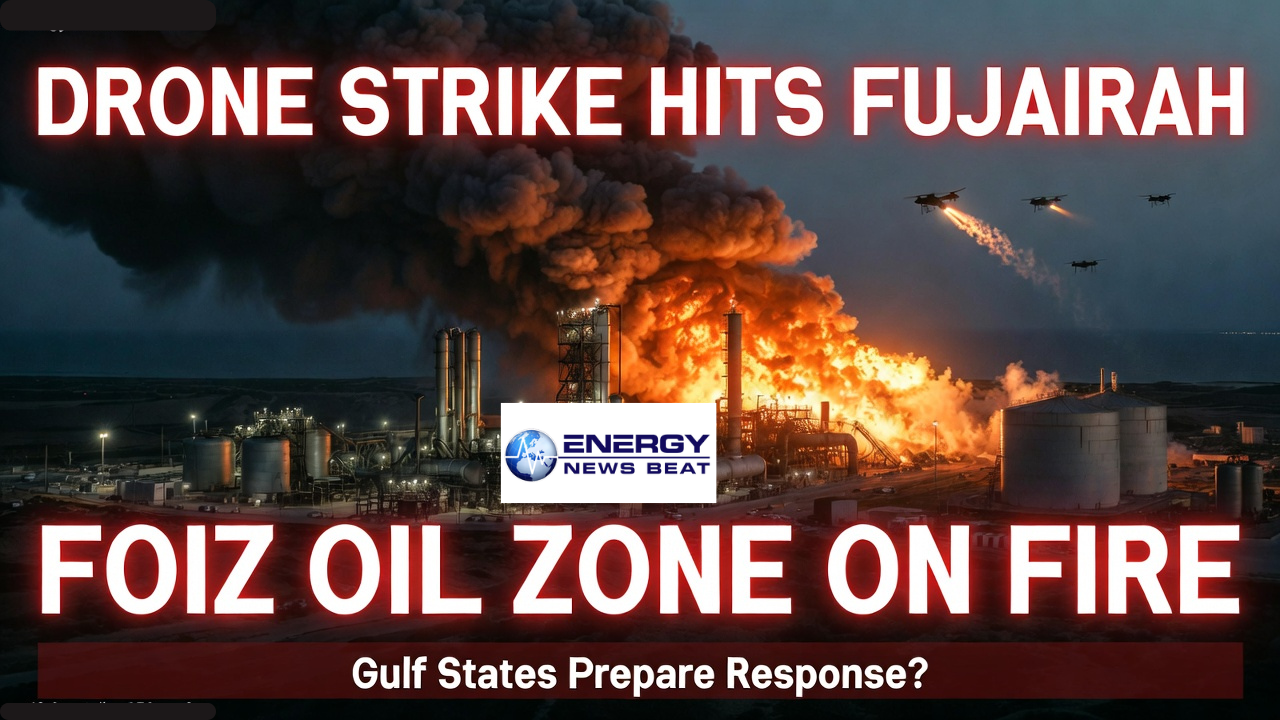
- Iran’s drone strikes on UAE: A drone strike hit the Fahoya Oil Institute Zone in the UAE, originating from Iran, causing a fire with no injuries reported
- Strategic implications: The strike occurred within drone distance of the Strait of Hormuz, a critical chokepoint for global oil supplies
- U.S. military response: Project Freedom launched to escort tankers through the Strait; approximately 150 tankers are waiting to transit
2. Global Oil & Energy Markets
- Supply disruptions: ~9-8 billion barrels of oil are missing from the market, which theoretically should push oil prices to $140, but they’re trading around $113-117
- Physical vs. paper prices: A critical mismatch exists between physical delivery prices ($147-200) and paper prices, which will eventually converge
- Tanker movements: Russian oil arriving in Japan; Iraqi/Iranian oil arriving in California
3. Energy Geopolitics & Currency Dynamics
- UAE leaving OPEC: The UAE is pursuing currency swap agreements with the U.S., signaling a shift toward petrodollar trading relationships
- Strategic alliances: Japan’s Prime Minister securing Russian energy supplies; Italy deepening ties with Azerbaijan for natural gas
- U.S. petrodollar dominance: Discussion of how the U.S. maintains control over major oil-producing nations through currency arrangements
4. Renewable Energy & Infrastructure Challenges
- Offshore wind project disputes: GE-Vernova challenging Vineyard Wind’s claims, highlighting subsidy dependency and profitability concerns
- Italy’s energy mix: 35% natural gas, 41% renewables (but unreliable at night due to storage limitations)
- Subsidy concerns: Without subsidies, renewable projects become unprofitable
5. EV Market Correction & Manufacturing
- Nissan’s pivot: Abandoning EV production in favor of trucks and SUVs due to waning demand
- U.S. manufacturing resurgence: Manufacturing jobs returning to the U.S., particularly in Mississippi
- Consumer preferences: Americans prefer traditional vehicles for long-distance driving
6. Corporate Performance & Stock Analysis
- Caterpillar’s strong earnings: Q1 2026 sales up 22% to $17.4 billion; profits up 30%, driven by AI data center demand
- Energy sector stocks: Analysis of Cheniere Energy, Valero, and ExxonMobil trading patterns
- Market uncertainty: Sideways trading as investors assess geopolitical impacts
7. California Energy Policy Critique
- Regulatory barriers: Governor Newsom’s policies making it expensive to drill domestically, forcing California to import crude from Iraq/Iran and Brazil
- Permitting delays: Only 4 permits issued for 2,000 planned wells as of May 5th
- Environmental irony: Domestic restrictions leading to increased rainforest destruction in Brazil
This is a comprehensive energy news briefing covering geopolitical risks, market dynamics, policy impacts, and corporate performance in the energy sector.

1.Fujairah confirms FOIZ fire after drone strike, and Gulf States may prepare a response
2.U.S. Military Supports Launch of Project Freedom in Strait of Hormuz
We are watching to see if they can get 50% of the tankers out- that would help.
3.UAE Leaving OPEC and Talking with US about Currency Swap: What Does That Mean?
Externally, international outlets describe the exit as a “heavy blow” to OPEC and its de facto leader, Saudi Arabia. Reuters, BBC, Al Jazeera, The New York Times, and Bloomberg all highlight how the departure weakens the cartel’s control over roughly 26–30% of global supply at a time when the Iran conflict has already created unprecedented energy shocks. Analysts call it the largest producer to ever leave OPEC and a sign of deepening Gulf divisions. Some Western coverage even frames it as a quiet win for U.S. influence in the region.
The timing is no coincidence: OPEC+ quotas have long frustrated Abu Dhabi, which believes it can produce more without destabilizing markets. The Iran war has only amplified those tensions.
Currency Swap Talks with the U.S.:
Joining an “Elite Group”
Just six days after the OPEC announcement, UAE Minister of Foreign Trade Thani bin Ahmed Al Zeyoudi told an audience in Abu Dhabi that discussions with Washington about a currency swap facility are “under discussion” and represent “an elite matter. It is not about bailing out.”
What is a currency swap line? In simple terms, it is an agreement between the U.S. Federal Reserve (or Treasury) and a foreign central bank allowing the foreign bank to exchange its local currency for U.S. dollars for a set period. These lines provide emergency dollar liquidity during crises without forcing the sale of assets in a fire sale. The Fed currently maintains permanent or standing swap lines with only a handful of “elite” central banks — typically those of the UK, Canada, eurozone, Japan, and Switzerland.
The UAE’s interest stems directly from the Iran war’s impact: disrupted oil exports through the Strait of Hormuz have threatened dollar inflows, raised fears of capital flight, and strained the UAE’s economy despite its sovereign wealth funds. Reports indicate the UAE had warned it might need to price some oil sales in Chinese yuan if dollar shortages worsened — a direct challenge to the petrodollar system.
How This Strengthens the U.S. Petrodollar — and Why It Matters
The petrodollar system — born in the 1970s — is the arrangement under which most global oil is priced and settled in U.S. dollars. This creates constant demand for dollars, allows the U.S. to run larger deficits, and funnels oil revenues back into U.S. Treasuries and assets.
A Fed swap line with the UAE would:
Provide reliable dollar liquidity, reducing any incentive for Abu Dhabi to shift even partially to yuan or other currencies for oil sales.
Encourage continued recycling of petrodollars into U.S. assets rather than disorderly sales.
Deepen financial and strategic ties between the U.S. and a key Gulf ally at a time when BRICS nations are exploring alternatives to dollar dominance.
In short, the swap line is dollar diplomacy in action: it keeps the UAE firmly inside the U.S.-led financial orbit and shores up the petrodollar precisely when geopolitical stress could have cracked it.
Watch as the end of the Iran war will end up with the third major oil-producing country being controlled by the United States.
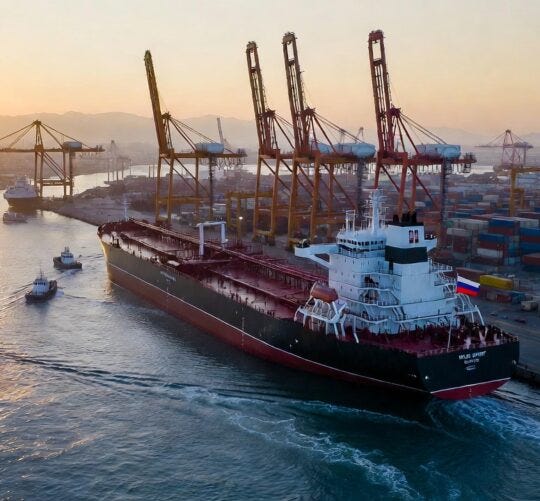
4.Russian Oil Arrives in Japan Amid Supply Strains
This is a bigger story than Japan buying Russian oil. Japan’s great Prime Minister just notified China that if they attack Taiwan, they would be there to help until the US could show up. That is HUGE. Huge Hat tip to Japan’s Prime Minister.
5.Italy Looks for Closer Ties with Azerbaijan in An Energy Push
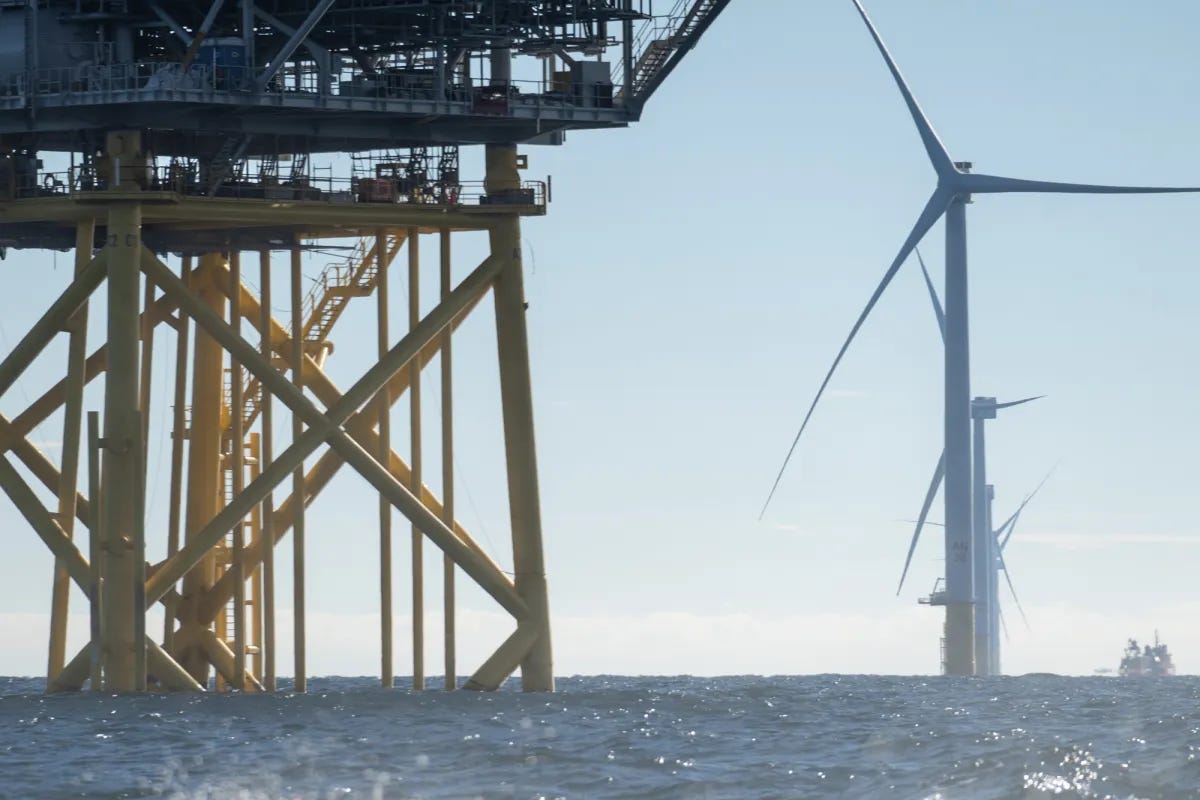
6.GE Vernova Challenges Vineyard Wind’s Claims of Harm
GE Vernova, the turbine supplier for the nation’s first utility-scale offshore wind project, is pushing back hard against Vineyard Wind’s assertions that its departure would cause “irreparable harm.” In an emergency motion filed this week in Suffolk County Superior Court, GE Vernova argues that the recent activation of the project’s long-term power purchase agreements (PPAs) provides the developer with stable revenue—undermining any claim that the project would collapse without GE’s continued involvement.
The dispute centers on a $1.3 billion turbine supply and long-term service agreement for Vineyard Wind 1’s 62 GE Haliade-X 13 MW turbines. Vineyard Wind claims GE owes it more than $800 million (now $545 million net after setoffs) stemming from a catastrophic blade failure in July 2024 that forced blade replacements, cleanup, and massive delays. GE counters that Vineyard Wind has withheld over $300 million in legitimate payments for more than 18 months. A judge issued a preliminary injunction on April 17, 2026, blocking GE’s planned April 28 exit, but GE is now asking the court to reconsider in light of the PPAs going live.
The Vineyard Wind Project: America’s Offshore Wind Pioneer
Vineyard Wind 1 is an 806 MW offshore wind farm located approximately 15 miles south of Martha’s Vineyard and Nantucket. Developed as a joint venture between Avangrid (Iberdrola) and Copenhagen Infrastructure Partners, it was hailed as the first commercial-scale offshore wind project in the United States. Construction began in late 2021/early 2022; the first power was delivered in January 2024, and the project reached commercial operation on April 24, 2026—though output remains below full capacity as commissioning and repairs continue.
GE Vernova is looking out for its shareholders and stakeholders, and it knows that subsidies are drying up and that supporting the wind industry will not be profitable, so it is bailing.
7.Reality Just Slammed into Nissan: They Ditch EVs and Redirect Focus to Trucks, SUVs in Mississippi
This is cool with Nissan building cars in the US.
8.CAT has positive earnings and a path for growth
CAT will be one to watch!
Thank you to all of our great sponsors, patrons, and subscribers. I will be on the road this morning, rolling through to Texas.


A shout-out to Steve Reese and the Reese Energy Consulting group for sponsoring the Podcast
https://reeseenergyconsulting.com/.

Data2 if you have any business systems, can you trust A? Well, they have the patent on validation. . https://data2.zoholandingpage.com/energy

And we have WellDatabase rolling in as a new sponsor.
https://welldatabase.com/