Tesla delivered a strong top-line performance in the second quarter of 2026, posting record vehicle deliveries and solid energy storage growth, but the company missed Wall Street expectations on the bottom line as heavy spending on research, development, and future AI initiatives pressured profitability and cash flow.
The results, released after market close on July 22, 2026, highlighted Tesla’s dual reality: robust demand for its core vehicle and energy businesses alongside aggressive investments positioning the company for long-term leadership in autonomous driving, robotics, and artificial intelligence.
Key Financial Highlights
Tesla reported revenue of $28.24 billion, beating analyst estimates of approximately $26.3 billion. This marked meaningful year-over-year growth driven by higher vehicle volumes and expanding energy/storage contributions.
- Adjusted (non-GAAP) EPS: $0.33, missing consensus estimates of around $0.50–$0.53 and down from $0.40 in Q2 2025.
- GAAP EPS: Approximately $0.32 per share (net income around $1.11 billion), slightly down from $0.33 per share ($1.17 billion) in the year-ago quarter. Results included a roughly $1 billion unrealized gain on Tesla’s SpaceX investment.
- Gross margin: 16.8%, below estimates of 19.4%.
- Automotive revenue: Approximately $20.52 billion (up ~23% YoY).
- Energy generation and storage revenue: $3.1 billion (up 13% YoY).
- Regulatory credits: $146 million (sharp decline from prior periods).
Operating costs rose significantly, with R&D spending surging about 49% year-over-year to roughly $2.37 billion. Overall operating expenses increased notably, contributing to margin compression. Capital expenditures reached $5.8 billion (up 142% YoY), supporting factory expansions, AI infrastructure, battery production, Cybercab manufacturing, and Optimus robot development.
Free cash flow turned negative at -$1.09 billion — the first quarterly burn in more than two years — as investments outpaced operating cash generation.
Strong Operational Momentum in Vehicles and Energy
- Tesla achieved its best-ever second quarter for vehicle deliveries:Deliveries: 480,126 vehicles (+25% YoY from ~383,000 in Q2 2025).
- Production: 451,758 vehicles.
- Deliveries outpaced production by ~28,000 units, helping reduce inventory buildup from earlier in the year.
- Model 3/Y accounted for the vast majority (~467,762 deliveries), with other models (including Cybertruck) contributing the rest. This marked Tesla’s first year-over-year delivery growth in two years and significantly beat analyst consensus (~406,000).
The energy storage business continued its strong trajectory, a key bright spot for the Energy News Beat audience:
- Energy storage deployments: 13.5 GWh (+40%+ YoY from 9.6 GWh in Q2 2025).
- Energy revenue rebounded sequentially after a softer Q1.
Full Self-Driving (FSD) subscriptions reached 1.48 million active users (+56% YoY), with high attach rates in North America (over 55% of new deliveries in some regions).
Forward-Looking Statements and Strategic Announcements
Tesla emphasized that Q2 was “a strong quarter for our core vehicle, energy and services businesses as well as our manufacturing, infrastructure and AI initiatives.” The company described the period as the start of its “largest and most exciting period of investment” to revolutionize transportation, energy, and productivity through real-world AI.
Key forward-looking points from the earnings release and call:
- CapEx guidance: Tesla reiterated plans to spend more than $25 billion in 2026 (nearly triple 2025 levels) on six new production lines/factories, AI compute infrastructure, battery production, Cybercab (Robotaxi) manufacturing, and Optimus robots. CFO Vaibhav Taneja noted spending will ramp further in the second half, pressuring near-term cash flow.
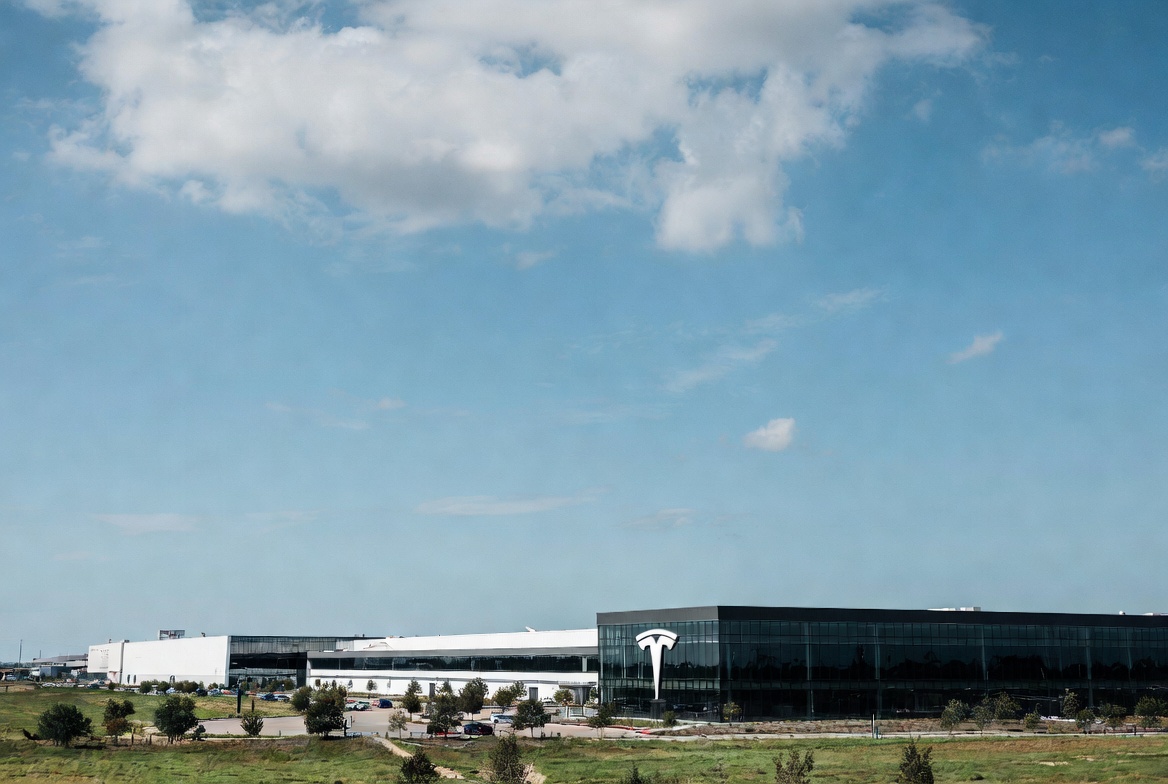
- Robotaxi/Cybercab: Production has begun at Gigafactory Texas (initial annual capacity target ~125,000 units). Unsupervised operations expanded to additional markets (e.g., Miami, Orlando, Tampa); supervised rides continue in the Bay Area. Integration with Starlink for connectivity is planned. CEO Elon Musk highlighted strong safety data (hundreds of thousands of unsupervised miles with zero notable incidents).
Optimus humanoid robot: First production lines are being installed; initial robots have entered “Optimus Academy” for training and data collection. Musk called it potentially the company’s “biggest product ever,” though manufacturing scale-up will be challenging. - FSD and AI: Musk stated FSD is “looking very good,” with expectations for broader regulatory approvals and demand growth. Tesla is upgrading camera-equipped vehicles with next-generation AI hardware.
- Energy synergies: Megapack demand is expected to rise alongside AI data center power needs. Tesla is exploring modular AI data centers (Megapods) near Supercharger sites.
- Other: Tesla Semi production remains on track for later in 2026. The company continues vertical integration in batteries and semiconductors (Terafab project updates expected soon).
Tesla views 2026 as a pivotal “massive” investment year expected to deliver strong long-term returns, drawing comparisons to historical manufacturing scale-ups.
Stock Reaction and Market Context
Tesla shares fell approximately 2.7–3%+ in after-hours trading following the release, extending a year-to-date decline of roughly 17%. The market appeared to focus on the earnings miss, margin pressure, and negative free cash flow rather than the strong delivery and energy metrics.
Analysts had anticipated some margin recovery from higher volumes, but elevated R&D, operating costs, and investment spending weighed on results. Regulatory credit revenue continued its decline, further pressuring automotive margins.
Outlook
Tesla’s Q2 results underscore a classic growth-company dynamic: near-term profitability is being sacrificed to fund ambitious future platforms in autonomy, robotics, and AI. While vehicle deliveries and energy storage provide immediate operational strength, investors are increasingly valuing progress on Robotaxi, Optimus, and AI infrastructure.
The energy storage segment stands out as a consistent high-margin growth driver with tailwinds from grid modernization and AI-related power demand. For Tesla, the coming quarters will be defined by execution on its heavy 2026 investment plan and tangible milestones in unsupervised autonomy and humanoid robotics.
Tesla remains a high-conviction story centered on technological leadership, but the path to realizing that vision involves sustained high capital intensity and margin volatility in the interim.
Appendix: Sources and Links
- Tesla Investor Relations (primary source for updates): https://ir.tesla.com
- Q2 2026 Production & Deliveries Report (July 2, 2026): https://ir.tesla.com/press (and SEC filings)
- Detailed earnings coverage and figures: TT News / Bloomberg (July 22, 2026) — https://www.ttnews.com/articles/tesla-earnings-q2-2026
- Business Insider earnings recap (July 22, 2026) — https://www.businessinsider.com/tesla-q2-earnings-updates-tsla-stock-elon-musk-spacex-2026-7
- Electrek Q2 2026 Deliveries report (July 2, 2026) — https://electrek.co/2026/07/02/tesla-q2-2026-deliveries-480126/
- Electrek Q2 Earnings Preview (July 21, 2026) — https://electrek.co/2026/07/21/tesla-tsla-q2-2026-earnings-preview/
- Reuters on deliveries and CapEx plans (July 2026)
All financial figures are compiled from Tesla’s official disclosures and contemporaneous reporting by major outlets. For the most authoritative details, refer directly to Tesla’s Investor Relations website and SEC filings (8-K and 10-Q). Earnings call transcripts and the full Q2 shareholder update are typically posted on ir.tesla.com shortly after the webcast. This article is intended for informational purposes for the Energy News Beat channel.