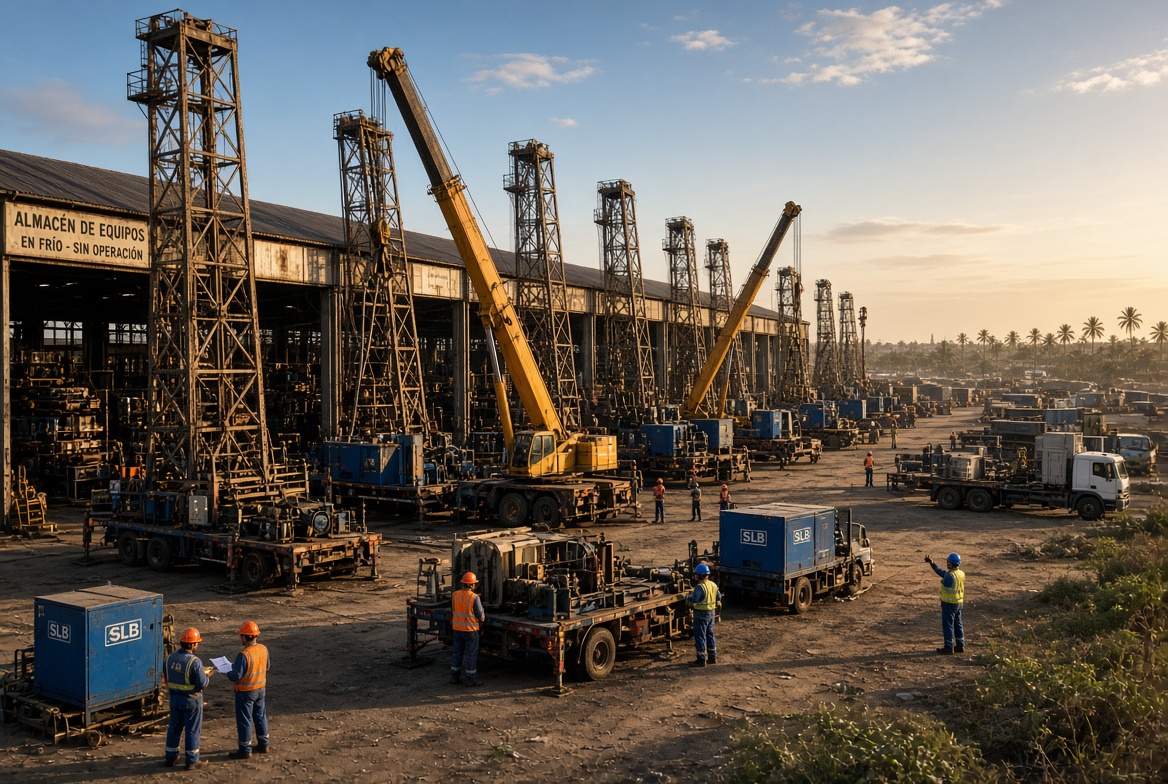
Oilfield services giant SLB (formerly Schlumberger) is preparing to reactivate as many as 15 idle drilling and workover rigs already located in Venezuela, a move that could help ease one of the primary bottlenecks constraining the country’s crude production recovery. Executives outlined the plans at an industry conference in Houston on August 19, 2026.
William Antonio, SLB’s president for Mexico, Central America, and Venezuela operations, told Reuters that the company expects the full set of 15 rigs to be fully busy within less than a year. Up to four could return to service before the end of 2026, depending on the signing of contracts with oil producers. Smaller workover rigs are expected to be deployed first.
Separately, energy-focused private equity firm Formentera Partners is in discussions with international service companies about importing additional drilling rigs into Venezuela. Managing partner Blake London confirmed the talks. The two efforts are complementary rather than joint: SLB is focused on equipment already inside the country, while Formentera is pursuing new imports.
Venezuela currently has only two active onshore drilling rigs (as of the end of July 2026, per Baker Hughes data). This severely limits the ability to offset natural well decline and grow output. Official production capacity stands at around 1.25 million barrels per day (bpd), far below the more than 3 million bpd the country once produced and well short of the potential from the world’s largest proven crude reserves (over 300 billion barrels, predominantly heavy and extra-heavy oil).
Operators, Partners, and Contracts
SLB has not publicly named specific operators for the initial reactivations. Antonio explicitly tied the timeline for the first four rigs to the signing of contracts with oil producers. The most immediate and established customer is Chevron, the primary U.S. major still active in Venezuela. Chevron reported output of around 280,000 bpd from its three joint ventures with PDVSA and has guided for as much as 50% growth by the end of 2028. SLB has long provided services to Chevron under the major’s operating authorizations and was previously described as the only international service company with active operations in the country.
PDVSA remains a key counterpart. In June 2026, SLB signed a memorandum of understanding with PDVSA focused on modernizing the sector, including digital transformation, AI-driven workflows, connected data, predictive models, exploration, field development, and production. More recently, at the IMAGE 2026 conference in Houston, Venezuela signed a framework agreement with SLB for integrated reservoir studies nationwide. On the same occasion, PDVSA signed a hydrocarbons production participation agreement with Hunt Oil Co. for the Caro and Carisito fields.
Other international firms such as Repsol, Eni, Shell, and potential new entrants are reviewing or expanding positions under revised contractual frameworks, but ExxonMobil and ConocoPhillips have remained cautious, citing the need for stronger investment protections and contractual certainty. Service companies more broadly (including Weatherford) have noted ongoing challenges with permits, legislation, and logistics.
Formentera Partners, an Austin-based firm that operates mature unconventional assets in the U.S. and has explored international shale opportunities (including earlier interest in Venezuela’s La Luna and Querecual formations), is approaching the opportunity as a potential investor/operator facilitator rather than a pure services provider.
Formations and Operational Focus
The plans center on onshore activity. Venezuela’s resource base is dominated by the Orinoco Belt (Faja Petrolífera del Orinoco) in the east, which holds the bulk of the country’s extra-heavy crude reserves and requires specialized drilling, workovers, artificial lift, and diluent blending. Traditional conventional fields in the west (Zulia state and surrounding areas) and other eastern basins also need rehabilitation after years of underinvestment.
The Hunt Oil agreement specifically targets Caro and Carisito in the Orinoco Belt. Broader government planning has previously indicated a need for dozens of additional rigs (estimates in the range of 90+ through 2028) concentrated on Orinoco development and well recovery. SLB’s existing equipment and local knowledge position it for both conventional onshore work and the more technically demanding heavy-oil reservoirs. Exact assignment of the 15 rigs to specific fields or formations has not been disclosed and will depend on the contracts ultimately signed.
Implications for Investors
For SLB shareholders, the reactivation represents a low-capital-intensity growth opportunity. The company already maintains facilities, equipment, and personnel in Venezuela and previously generated more than $1 billion in annual revenue from the country at peak. Bringing idle assets back online multiplies activity (potentially up to 7.5 times the recent onshore rig count) without the full cost and lead time of importing new fleets. Success would strengthen SLB’s early-mover position as the leading international service provider and support higher utilization, pricing power in a recovering market, and longer-term digital/AI service revenue under the PDVSA framework.
Broader oilfield services names (Halliburton, Baker Hughes, Weatherford) and any producers that secure firm contracts stand to benefit from rising activity. Equity markets have previously rewarded services exposure to a Venezuela reopening more than pure upstream majors still hesitant on political and contractual risk. Increased Venezuelan supply over a multi-year horizon could exert modest downward pressure on global oil prices, which would be mixed for pure-play producers but constructive for refining margins (especially U.S. Gulf Coast complex refiners configured for heavy crude).
Risks remain material: permitting and logistics delays, power and infrastructure constraints, diluent availability, payment certainty, and the durability of the political and legal framework. Antonio himself noted that while production should be higher in about two years, sustainability will depend on addressing diluents and infrastructure.
Implications for U.S. Consumers
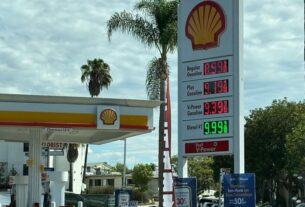
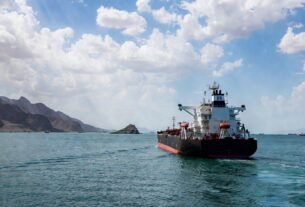
A meaningful ramp in Venezuelan output would add barrels of heavy and extra-heavy crude that are well-suited to U.S. Gulf Coast refineries. Recent reports indicate that roughly half of Venezuela’s oil exports are already flowing to U.S. refiners, supported in part by U.S. naphtha exports used as diluent. Higher volumes over time would improve feedstock availability and flexibility for those refiners, potentially supporting more stable or lower gasoline, diesel, and jet fuel prices for American consumers relative to a tighter global market.
Near-term impact is limited—the first four rigs in late 2026 and the full 15 within a year will not transform global balances overnight. Structural constraints (infrastructure, diluent, upgraders, and contractual certainty) mean the path to several hundred thousand additional barrels per day is measured in years, not months. Still, every incremental reliable barrel from a large reserve base reduces the risk of sharper price spikes driven by disruptions elsewhere and enhances medium-term energy supply diversity for U.S. markets.
Major obstacles persist, including difficulties importing and transporting specialized equipment, power supply reliability, infrastructure decay, permits, and the need for robust contractual protections. Venezuelan Oil Minister Paula Henao has publicly called for investment and supply-chain strengthening to achieve sustainable, profitable production.
The reactivation of SLB’s idle rigs is an important practical step toward translating Venezuela’s vast reserves into higher output. Whether it scales into sustained growth will depend on how quickly contracts are finalized, logistics are unblocked, and the broader operating environment stabilizes.
- OilPrice.com: “SLB Prepares to Restart 15 Oil Rigs in Venezuela” (Charles Kennedy, Aug. 19, 2026) – https://oilprice.com/Energy/Energy-General/SLB-Prepares-to-Restart-15-Oil-Rigs-in-Venezuela.html
- Reuters: “SLB, Formentera working to activate drilling rigs in Venezuela, executives say” (Sheila Dang and Marianna Parraga, Aug. 19, 2026) – https://www.reuters.com/business/energy/slb-formentera-working-activate-drilling-rigs-venezuela-executives-say-2026-08-19/
- Energy Intelligence / related coverage of SLB idle-rig reactivation
- S&P Global: Earlier reporting on SLB’s Venezuela positioning and readiness
- Reuters and Bloomberg coverage of June 2026 SLB-PDVSA MoU and August 2026 Houston agreements with SLB (reservoir studies) and Hunt Oil (Caro/Carisito fields)
- Baker Hughes rig data citations (end-July 2026 onshore count)
- Chevron production guidance and joint-venture output figures from recent company commentary
- Additional context from earlier 2026 reporting on stored rigs, contract reviews, and Orinoco Belt focus
All details above are drawn from contemporaneous executive statements, official data citations, and published reporting as of August 19–20, 2026.