In a major win for North American energy infrastructure and U.S. energy security, President Donald Trump signed a presidential permit on April 30, 2026, authorizing the cross-border segment of the Bridger Pipeline Expansion project. This initiative effectively revives key elements of the canceled Keystone XL (KXL) pipeline, enabling the transport of Canadian crude oil into the United States.
The project, proposed as a joint effort between Canadian pipeline company South Bow Corp. and U.S.-based Bridger Pipeline LLC, marks a significant step forward after years of regulatory delays and political opposition to expanded oil infrastructure. Trump remarked during the signing event, “Slightly different from the last administration. They wouldn’t sign a pipeline deal. And we have pipelines going up.”
Project Details: Route, Capacity, and Keystone XL Revival
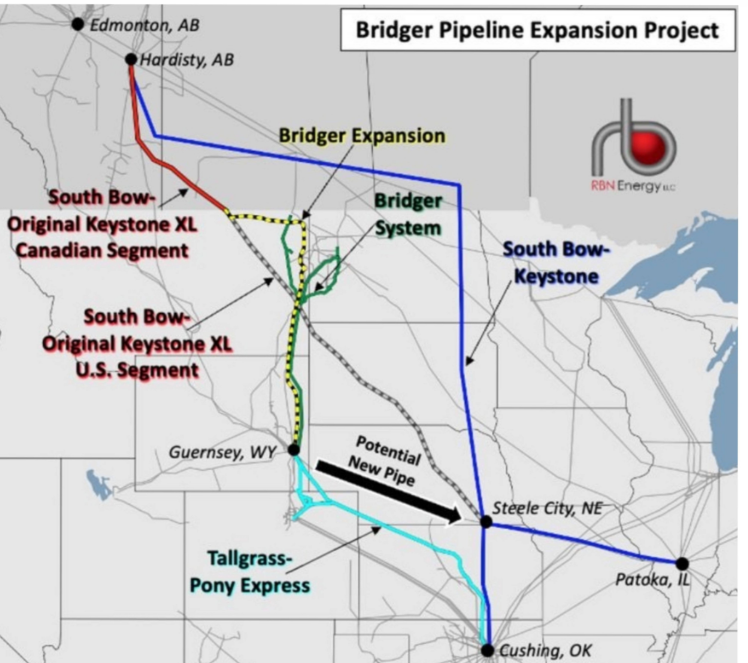
The Bridger Pipeline Expansion (also referred to in filings as a 36-inch diameter crude oil transmission line) will stretch approximately 650 miles (about 1,050 km) from the U.S.-Canada border in Phillips County, Montana, through eastern Montana and into Wyoming, terminating at the major crude oil hub in Guernsey, Wyoming. From Guernsey, oil can connect to existing pipeline networks for further transport to refining centers such as Cushing, Oklahoma, or the U.S. Gulf Coast.
Key capacity figures include:
Initial operating capacity: Approximately 550,000 barrels per day (bpd) of Canadian crude oil and petroleum products.
Ultimate expandable capacity: Up to 1.13 million bpd.
The project is seeking firm commitments from shippers for around 450,000 bpd.
This represents roughly two-thirds of the original Keystone XL’s planned capacity (which was approximately 830,000 bpd). If fully realized, the pipeline could increase Canada’s crude exports to the U.S. by more than 12%.
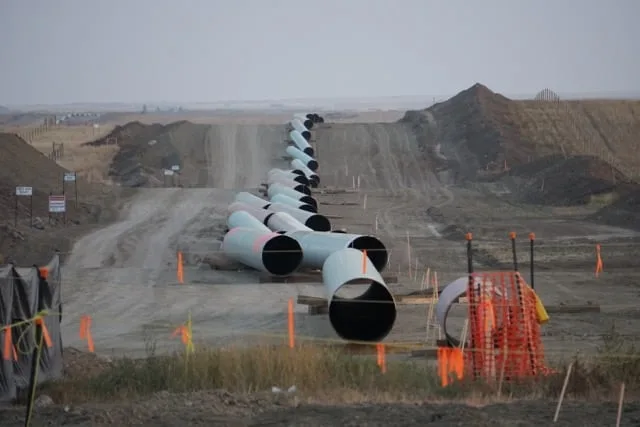
Importantly, the project leverages existing Keystone XL infrastructure on the Canadian side. Approximately 150 km (93 miles) of pipe was already built and remains idle in Canada following the project’s cancellation by the Biden administration in 2021. The Canadian segment is fully permitted, and the new U.S. route differs from the original KXL path but originates near the same border crossing area.
The estimated cost for the U.S. portion is around $2 billion. Additional state regulatory permits are still required, and construction could begin as early as 2027, with potential operations starting around 2029.
Companies Involved (Opportunities for Investors)Canadian Side: South Bow Corp. (TSX/NYSE: SOBO), a pure-play liquids pipeline company spun off from TC Energy in October 2024. South Bow owns and operates the Keystone Pipeline System and holds the idle Canadian KXL assets. It is publicly traded and focused on connecting Alberta oil sands to U.S. markets. Investors can follow SOBO for exposure to this midstream growth.
U.S. Side: Bridger Pipeline LLC (Casper, Wyoming-based, a subsidiary of privately held True Companies). Bridger has a history of operating pipelines in the Rockies and Bakken regions and serves as the project applicant for the U.S. segment.
The partnership positions both companies to benefit from increased Canadian crude egress, with South Bow offering direct public market access for investors bullish on North American oil infrastructure.
Jobs and Economic Impact
President Trump highlighted that the project will create “a lot of jobs.” While specific figures for the Bridger Expansion have not yet been finalized in public filings, similar large-scale pipeline projects have historically generated thousands of temporary construction jobs across multiple states. The $2 billion investment is expected to deliver significant economic stimulus in Montana and Wyoming, including union construction work, local supply chain spending, and long-term operations roles.
finance.yahoo.com
What This Means for Consumers
By unlocking additional reliable Canadian crude supply to U.S. refining hubs, the pipeline strengthens North American energy security and could help moderate oil and gasoline prices amid global supply uncertainties. Canada is already America’s largest source of imported oil; this expansion reduces reliance on less stable overseas sources and supports lower consumer energy costs through increased competition and efficient transportation. As Trump’s administration emphasizes “pipelines going up,” projects like this contribute to broader affordability and energy dominance goals.
Environmental groups have raised concerns about potential spills, but the project plans to use existing pipeline corridors for over 70% of the route and incorporates advanced leak detection technology.
- Bloomberg/Yahoo Finance: “Trump Signs Permit for Oil Pipeline Echoing Keystone XL” – https://finance.yahoo.com/sectors/energy/articles/trump-signs-permit-pipeline-canada-194927320.html
- NPR: “Trump gives the go-ahead for a major new Canada-U.S. oil pipeline” – https://www.npr.org/2026/04/30/g-s1-119648/trump-canada-us-oil-bridger-pipeline-expansion
- BOE Report/Reuters: “Trump signs order authorizing oil pipeline project partially reviving Keystone XL” – https://boereport.com/2026/04/30/trump-signs-order-authorizing-oil-pipeline-project-partially-reviving-keystone-xl/
- Reuters additional details on capacity/cost: https://www.reuters.com/business/energy/bridgers-canadawyoming-crude-line-seen-costing-2-billion-topping-1-million-bpd-2026-04-06/
- South Bow investor page: https://www.southbow.com/investors/
Pipeline Maps and Visuals:
- Montana DEQ Bridger Pipeline Expansion regulatory maps (Appendix B): https://deq.mt.gov/files/Energy/MFSA/Bridger/AppendixBMaps.pdf (detailed route through MT/WY)
- Historical Keystone XL route maps (for comparison of Canadian segment): Available via U.S. State Department archives (e.g., 2012-2013 environmental impact statements)
- Additional project filings and visuals: Search Montana DEQ or BLM project pages for interactive or PDF maps showing the 650-mile alignment, border crossing, and Guernsey terminus.
This development underscores a renewed focus on energy infrastructure under the Trump administration, delivering tangible benefits for jobs, supply security, and consumers across North America. Energy News Beat will continue to monitor permitting, construction timelines, and shipper commitments.