The messaging problem: “global gas” is not how Britain actually buys gas

The official line since the energy crisis has been simple. Families and businesses are exposed because fossil-fuel prices are set internationally. After the latest Middle East shock, ministers said Britain had to “get off the fossil fuel rollercoaster” and that “when global gas prices spike, people here shouldn’t be picking up the tab.” Ofgem and […]

Continue Reading

President Trump’s 2026 Jones Act waivers moved tens of millions of barrels of U.S. energy that the domestic fleet could not carry. Freight savings are real but modest on a national scale; the larger story is avoided shortages, reopened domestic routes, and a live stress test of a 1920 law that left the United States with too few ships.

On March 17, 2026, the Department of Homeland Security issued the longest and broadest Jones Act waiver since at least 1950, covering energy commodities and fertilizer inputs. The waiver was extended twice and now runs through November 15, 2026, with a narrower product list and voyage-by-voyage review after August 17. The Cato Institute’s Jones Act […]

Continue Reading

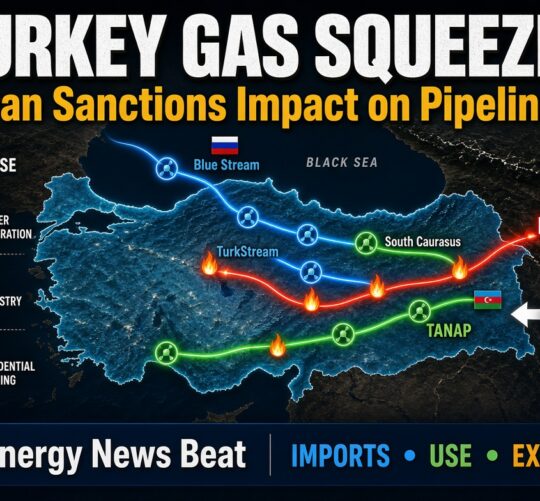
Will Turkey be impacted by a potential gas squeeze as new Iran sanctions kick in?

Turkey faces heightened risk of disrupted natural gas supplies from Iran following the U.S. Treasury’s launch of an intensified economic isolation campaign against Tehran on August 24, 2026. As a key U.S. ally and Iran’s third-largest trading partner, Ankara must navigate secondary sanctions threats that could complicate or sever one of its major pipeline gas […]

Continue Reading

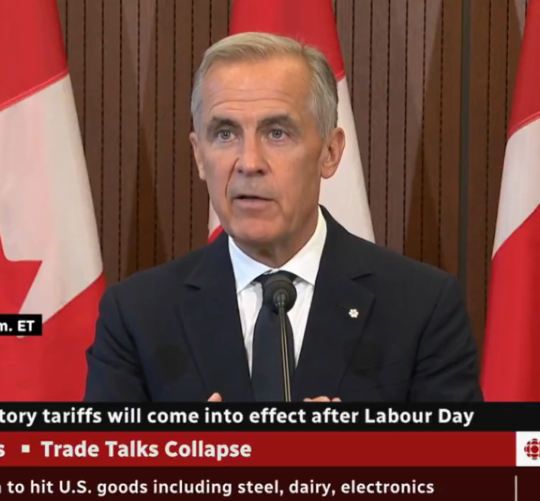
Mark Carney to Build a New Economy with the EU – It appears he is working for China and the EU, and not the Canadians.

Prime Minister Mark Carney’s government has accelerated efforts to deepen Canada’s economic and security ties with the European Union, framing diversification as essential amid escalating trade friction with the United States. Official statements and actions indicate a strategic pivot toward Europe (and select other partners) rather than prioritizing new comprehensive U.S. trade arrangements beyond existing […]

Continue Reading