In a major breakthrough for Alaska’s long-awaited natural gas infrastructure, Glenfarne Alaska LNG announced on May 18, 2026, a 30-year gas sales precedent agreement with ConocoPhillips Alaska. The deal supplies natural gas from Alaska’s North Slope for Phase One of the Alaska LNG project.
Combined with existing agreements from ExxonMobil, Hilcorp Alaska, and Great Bear Pantheon (a Pantheon Resources subsidiary), Glenfarne now has committed volumes from all three major North Slope producers — sufficient to support a Final Investment Decision (FID) on Phase One and exceed Alaska’s long-term in-state energy needs.
This development marks a pivotal shift. For years, the project stalled over commercial commitments. ConocoPhillips’ anchor agreement changes the calculus, providing the commercial certainty needed to move the 739-mile pipeline from planning into execution.
Phase One Pipeline: From Prudhoe Bay to Southcentral Alaska
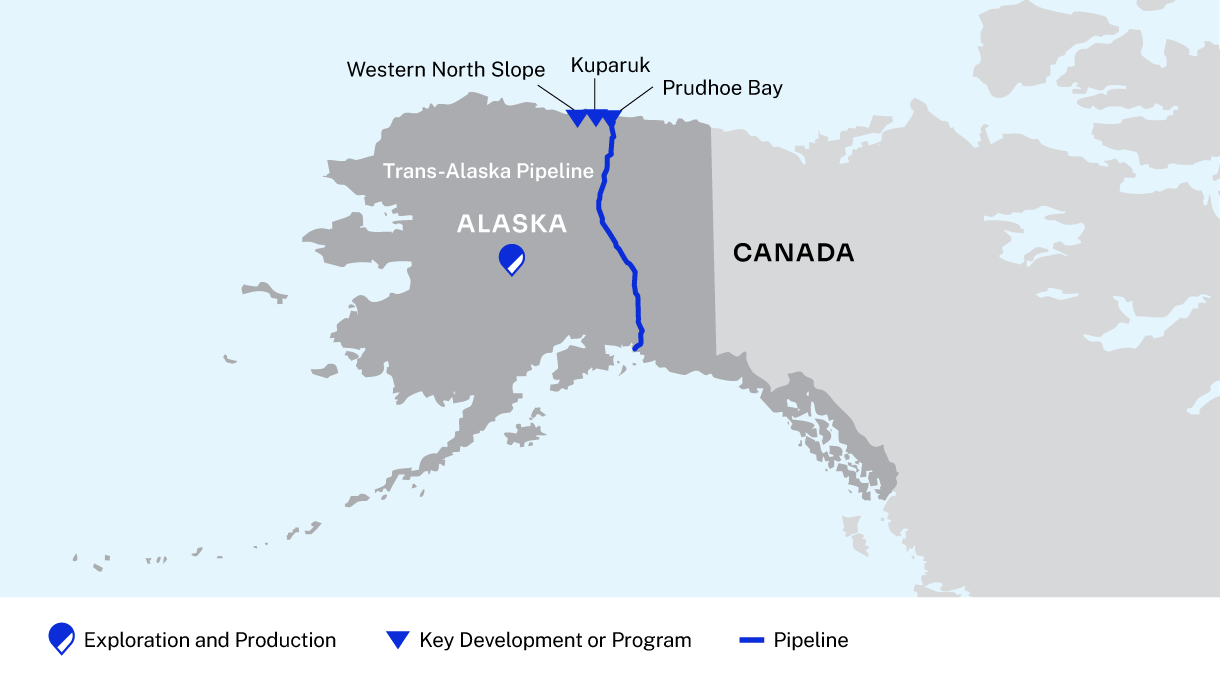
Phase One centers on a 739-mile, 42-inch diameter pipeline designed to deliver up to 3.3 billion cubic feet per day (Bcf/d) of natural gas from the North Slope to Southcentral Alaska. A Gas Treatment Plant (GTP) will be located in the Prudhoe Bay area, near existing oil and gas infrastructure, to process gas from the Prudhoe Bay Unit and Point Thomson fields (with a potential 63-mile, 32-inch lateral from Point Thomson).
The pipeline will feature compressor stations and offtake points to serve Alaska communities and utilities, directly addressing the looming supply shortfall from declining Cook Inlet production. Most of the line will be buried, with strategic interconnections for in-state distribution.
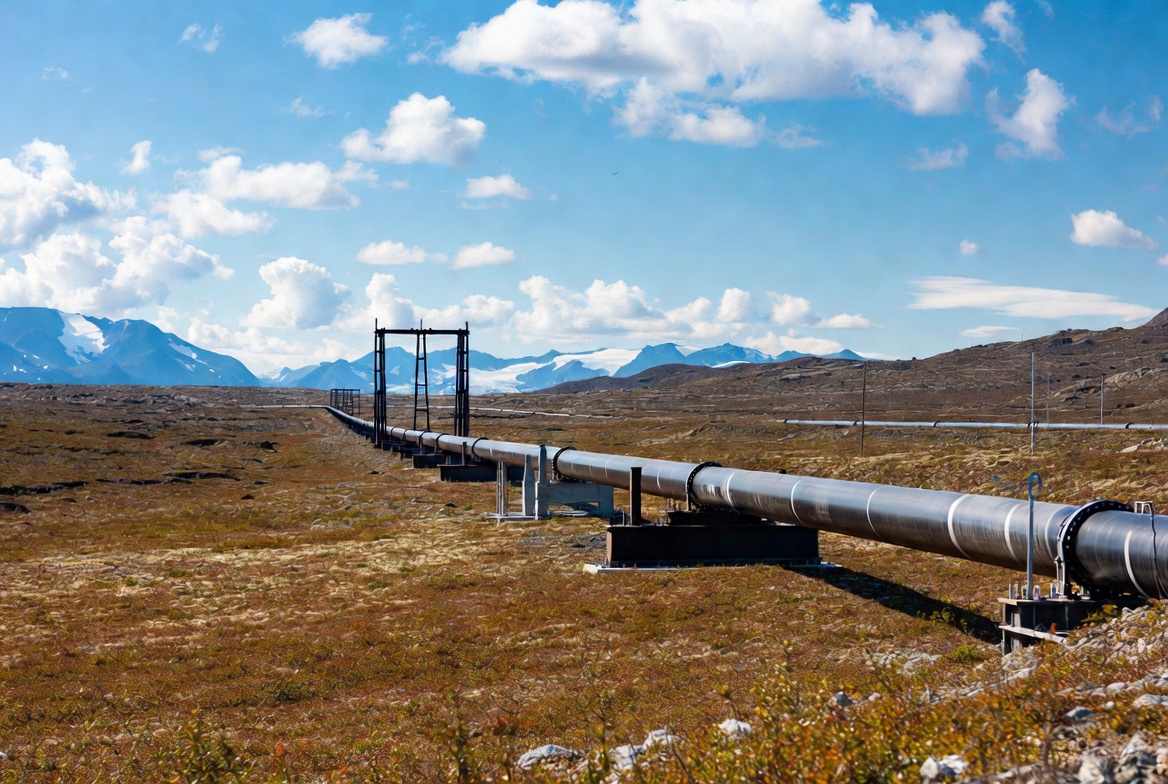
Will it follow the Alyeska (Trans-Alaska Pipeline) route? Yes — to a significant degree. The route is planned to largely parallel the existing Trans-Alaska Pipeline System (TAPS/Alyeska) corridor and established highway systems from Prudhoe Bay southward. This co-location strategy leverages decades of geotechnical data, existing rights-of-way, and proven construction experience from TAPS operations and maintenance. It minimizes new environmental disturbance, simplifies permitting, and accelerates execution by drawing on contractors familiar with Alaska’s permafrost, seismic zones, and extreme conditions (e.g., Houston Contracting Company’s TAPS expertise).
While not identical to the oil pipeline (which terminates in Valdez), the gas line shares much of the same northern and central corridor before heading toward the Anchorage region. This is a deliberate, smart engineering choice that has been a hallmark of Alaska infrastructure planning.
How Fast Can It Come Online?
Glenfarne is targeting an aggressive but credible timeline:FID for Phase One: Now within immediate reach following the ConocoPhillips commitment and prior engineering work by Worley (EPCM provider).
Construction: Pipeline to be built in four simultaneous spreads/sections. Early construction activities and site preparation are advancing, with line pipe fabrication underway and deliveries expected later in 2026.
Mechanical completion: Targeted for 2028.
First gas delivery to Alaskans: 2029.
This phased approach — delivering in-state gas first via Phase One before adding the Nikiski LNG export facilities in Phase Two — allows faster progress on the domestic pipeline while export infrastructure follows. The project benefits from prior FERC approval and federal permitting work, reducing typical greenfield delays.
Construction in Alaska remains challenging due to weather, logistics, and terrain, but the use of the TAPS corridor, experienced contractors, modular construction techniques, and multiple simultaneous spreads positions the project for a roughly 2–3 year build window once FID is secured — ambitious yet grounded in the momentum Glenfarne has built since becoming lead developer in 2025.
Phase Two will extend the pipeline (bringing the total to ~807 miles) and add liquefaction capacity targeting ~20 million tonnes per annum (MTPA) of LNG exports from Nikiski on the Kenai Peninsula.
Strategic Momentum and Industry Reaction
Glenfarne President Adam Prestidge emphasized the milestone: “All major North Slope producers have now committed enough natural gas to support a Phase One final investment decision… I appreciate [ConocoPhillips Alaska President] Erec and his team for their continued collaboration…”
ConocoPhillips Alaska President Erec Isaacson added: “Our participation in Alaska LNG supports reliable access to responsibly produced North Slope natural gas while complementing our ongoing investment in Alaska.”
Industry observers quickly noted the significance. Commodity trader and analyst Jack Prandelli posted on X (formerly Twitter) shortly after the announcement: “Alaska LNG just locked in ConocoPhillips on a 30-year gas supply deal. The FID is now within reach… That’s enough contracted volume to support a Final Investment Decision for Phase One.” He highlighted the shift from years of talk to committed supply from major producers.
Why This Matters for Alaska and Energy Markets
Phase One prioritizes Alaskans — delivering affordable, reliable natural gas for heating, power, and industry while creating jobs and revenue. It strengthens energy security as Cook Inlet output declines. Phase Two then unlocks global exports, positioning Alaska as a key LNG supplier to Asia and beyond, complementing U.S. energy dominance goals.
Glenfarne (75% owner) partners with the State of Alaska via the Alaska Gasline Development Corporation (25% stake). The project has secured preliminary offtake interest from Asian buyers and supply chain commitments (including line pipe).
Challenges Remain — But Momentum Is Building
No major energy project is without hurdles: finalizing financing, detailed engineering refinements, labor and logistics in remote Alaska, and ensuring environmental and community support. However, the combination of secured supply, advanced engineering, existing permits, corridor co-location, and a clear two-phase strategy has de-risked the project substantially compared to previous iterations.
Bottom Line
The ConocoPhillips 30-year commitment is the commercial catalyst Alaska LNG needed. With supply from all major North Slope producers now in place, FID for the 739-mile Phase One pipeline is imminent. Construction targeting 2028 mechanical completion and 2029 first gas is realistic given the phased approach and strategic use of the Alyeska/TAPS corridor.
Alaska’s vast North Slope gas resources are finally moving from a stranded asset toward serving Alaskans first — and global markets soon after. This is a transformative step for Alaska energy infrastructure.
Energy News Beat will continue tracking FID timing, construction milestones, and updates on this critical project.
Appendix: Sources and Links
Primary Official Sources
- Glenfarne / ConocoPhillips Official Press Release (May 18, 2026): BusinessWire
- Alaska LNG Project Website – Pipeline & Overview: alaska-lng.com/project-overview/pipeline/ and alaska-lng.com/project-overview/
- Gas Treatment Plant details: alaska-lng.com/project-overview/gas-treatment-plant/
News Coverage
- Reuters: “Alaska LNG secures supply deal with ConocoPhillips for pipeline project” (May 18, 2026)
- Upstream Online, World Oil, Seeking Alpha, and other energy outlets covering the announcement.
Industry Commentary
- Jack Prandelli on X (
@jackprandelli
), May 18, 2026: Post highlighting supply commitments and FID path.
Background & Route Context
- AGDC / Historical Project Summaries noting pipeline follows existing oil pipeline and highway corridors.
- TAPS/Alyeska Pipeline references for corridor comparison.
Timeline Sources
- Glenfarne announcements (Jan 2026) on Worley EPCM, pipe supply, and 2028/2029 targets.
- FERC filings and Natural Gas Intel updates on early construction planning.
All information is current as of May 18, 2026. For the latest developments, follow the official Glenfarne and Alaska LNG channels.