Why Are Global Diesel Prices So High? Exhibit A: Ukraine Drone Hits Novoshakhtinsk Refinery

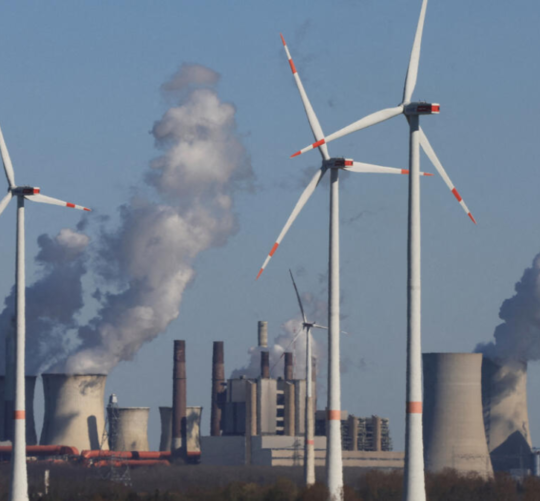
A Ukrainian drone strike on Friday forced Russia’s Novoshakhtinsk refinery in the Rostov region offline, according to regional governor Yury Slyusar. The plant, which processes about 110,000 barrels per day (roughly 5–5.6 million tons per year), is not one of Russia’s giants. It is, however, a clean illustration of why diesel—the workhorse fuel for trucking, […]

Continue Reading

How the Net Zero Deindustrialization Just Hit Mercedes as They Need $800 Million in Labor Savings

Mercedes-Benz is no longer talking about “transformation.” It is talking about survival in Germany. WirtschaftsWoche, citing three people familiar with the talks, reports that Mercedes wants about €800 million in German labor-cost savings — roughly $911 million at current rates. Options on the table include longer hours without extra pay, cuts to holiday and Christmas […]

Continue Reading

Oracle’s huge data center project declares force majeure. Is this the first warning sign in the data center space?

On Thursday, September 24, 2026, Bloomberg reported that Oracle sent a force majeure notice to the developer of Project Jupiter — the 1,400-acre AI campus in Doña Ana County, New Mexico — in an effort to defer payments if the facility misses its planned 2028 in-service date. Shares of Oracle fell about 4–5%. Blue Owl […]

Continue Reading

Wind Energy Market at a Crossroads

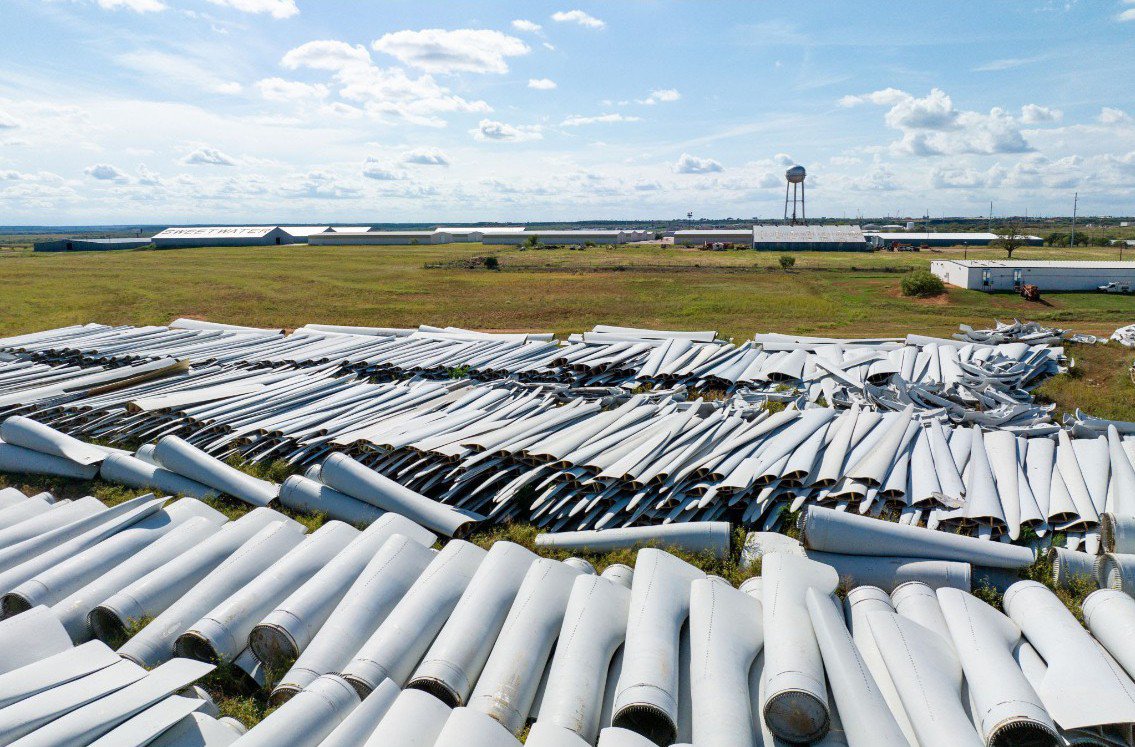
The wind industry is approaching a structural inflection point. Early fleets in Europe and the United Kingdom are aging faster than advertised, composite blade waste is outrunning recycling capacity, and decommissioning liabilities are coming due just as subsidy structures change. Two recent posts by Peter Clack capture the twin problems: rapid performance decay well short […]

Continue Reading

Britain’s £150 billion grid rebuild is being sold as the price of cheap, clean power. The more useful question is whether the country is paying to lock in an expensive, weather-dependent system after already shutting the firm plants that used to keep prices and industry competitive.

The National Energy System Operator’s figures put transmission investment at about £64 billion through 2030 and another £89 billion after that—more than £150 billion in all. The Guardian’s mapping of official recommendations points to well over 4,000 miles of new power lines by 2041, plus subsea cables and converter stations to move Scottish and offshore […]

Continue Reading