Why Politicians, Not Data Centers, Are Destroying American Energy
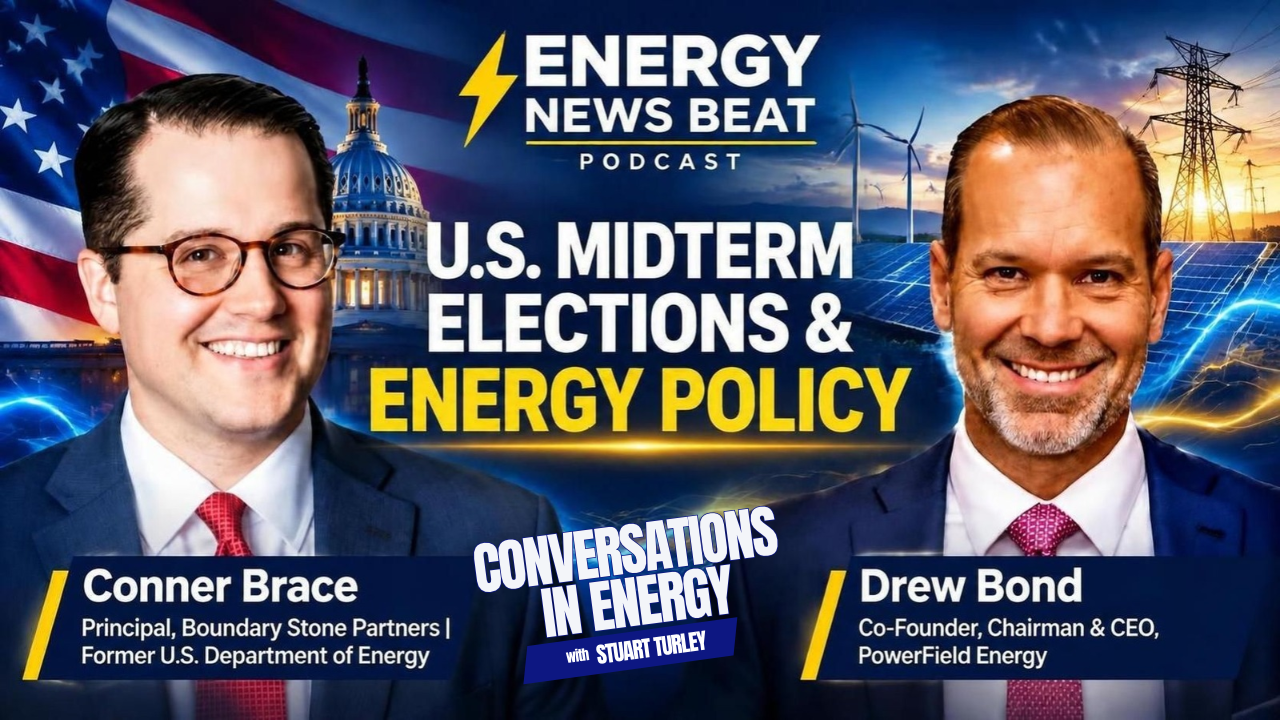
In this episode of the Energy Newsbeat Podcast, host Stu Turley sits down with Drew Bond, co-founder and chairman of PowerField Energy, and Conner Brace, principal at Boundary Stone Partners and former U.S. Department of Energy advisor, to discuss the energy policy implications of the recent midterm elections. The conversation reveals a critical disconnect: while Democrats successfully campaigned on affordability, Republicans failed to communicate how their energy policies actually deliver lower costs and greater energy security.
The trio dives deep into the real culprits behind rising energy prices—not politicians alone, but the bureaucratic red tape and bad policy that handicap American energy production. From the collapse of U.S. refinery capacity to the urgent need for permitting reform, from China’s nuclear dominance to the greenwashing plaguing the renewable energy sector, this episode exposes the hard truths about energy policy and charts a pragmatic path forward based on market-driven solutions, energy independence, and the principle of delivering the lowest-cost, most reliable energy to American consumers.

1. Post-Midterm Election Energy Policy Impact
The hosts analyze how energy affordability became a central campaign message, with Democrats successfully messaging on affordability despite Republicans having better energy policies. They discuss why Republicans failed to effectively communicate their energy accomplishments and messaging strategy during the midterms.
2. Permitting Reform & Regulatory Overreach
A major focus is the urgent need for permitting reform. The discussion highlights how excessive red tape and bureaucratic policies handicap the U.S. energy sector compared to competitors like China. They mention the BAJA permitting bill moving through Congress with bipartisan support.
3. Refinery Capacity & Energy Independence
The conversation covers the dramatic decline in U.S. refinery capacity—from 300 refineries down to 130—and how this impacts fuel prices. They discuss California’s specific challenges with only 7 refineries, most slated to close, and how this drives up diesel and gasoline prices to 52% higher in blue states.
4. Nuclear Power Development
They compare U.S. nuclear development unfavorably to China, which has 36 new reactors under construction while the U.S. has built only 3 in 30 years. They emphasize nuclear as essential for baseload power and energy security.
5. Data Centers & Grid Infrastructure
Discussion of how data centers are driving electricity demand and infrastructure investment, while also examining the tension between development needs and community concerns about land use and property rights.
Check out Drew’s article on Politicians, not data centers, are causing an energy crisis
6. “All of the Above” Energy Strategy
The speakers advocate for a pragmatic, market-driven approach that includes natural gas, nuclear, solar, wind, and oil/gas—prioritizing affordability and reliability over ideological energy preferences.
7. Renewable Energy Subsidies & Greenwashing
Critique of current solar tax credits that incentivize expensive technology over cost-effective solutions, and criticism of companies claiming “green” status while using natural gas (like Bloom Energy).
8. Energy Costs & Inflation
Analysis of how energy prices have actually remained relatively stable when adjusted for inflation since 2008, despite perceptions of high costs, thanks to innovation in fracking and natural gas.
9. Geopolitical Energy Security
Discussion of how U.S. energy independence affects foreign policy, including references to conflicts in Iran and Ukraine, and the importance of domestic energy production for national security.
10. Land Reclamation & Environmental Responsibility
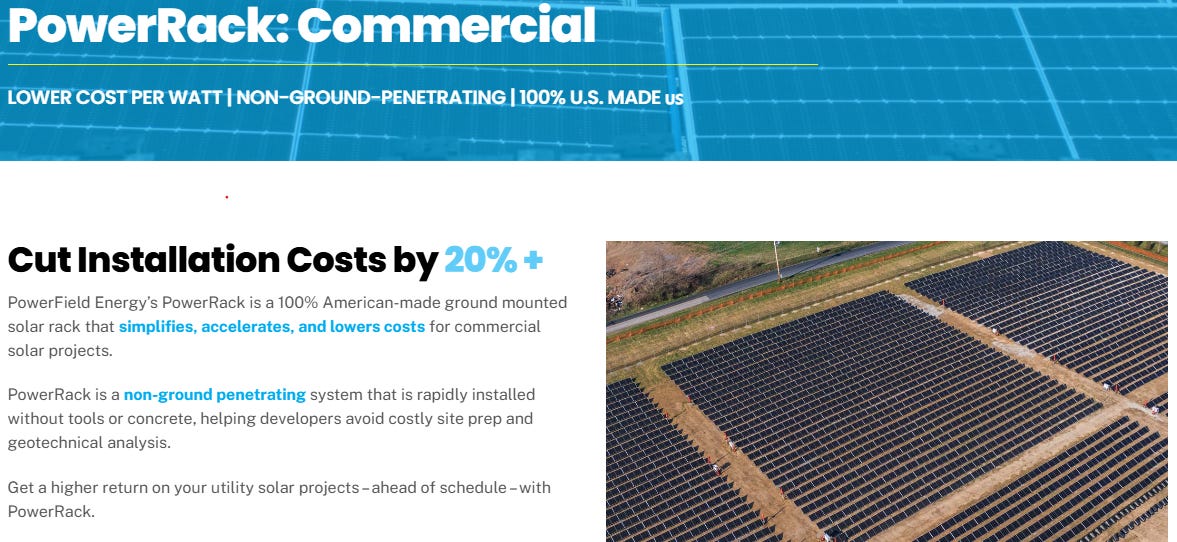
Concerns about solar and wind farms not being designed for land reclamation, with an $89 billion bill looming for cleanup, and promotion of sustainable solar solutions like Power Field Energy’s ballasted, removable systems.
Connect with Drew Bond at https://www.linkedin.com/in/drew-bond/
Check out his Solar solution that makes sense. If you have a solar farm going in, make sure you can reclaim the land after the solar farm is no longer needed.
Connect with Conner Brace at https://www.linkedin.com/in/connerbrace/
We would also like to give our sponsors a shout-out.
Check out the World’s Greatest Podcast Show Notes at EnergyNewsBeat.co or EnergyNewsBeat.com, and the Energy News Beat Substack at:

At The Intersection of Energy and Finance – By Sandstone Group
A shout-out to Steve Reese and the Reese Energy Consulting group for sponsoring the Podcast https://reeseenergyconsulting.com/.
Data2 if you have any business systems, can you trust A? Well, they have the patent on validation. . https://data2.zoholandingpage.com/energy
And we have WellDatabase rolling, and we use their tools for the Energy News Beat weekly Rig Reports: https://welldatabase.com/
Also entering Sponsor Rey Trevino, Pecos Operating https://pecos.energy/