Incoming UK Prime Minister Andy Burnham is preparing to back increased North Sea oil and gas activity, including potential approvals for the Jackdaw gas field and Rosebank oil field, as part of an early policy push focused on energy security, jobs, and economic growth.
Burnham, who formally took office today after succeeding Keir Starmer, has signaled receptiveness to calls from Scottish Labor MPs and industry voices for a more pragmatic approach. While he has pledged to honor Labor’s 2024 manifesto commitment against new exploration licenses, the focus is on progressing already-licensed projects and tie-backs to existing infrastructure.
Key Projects in Focus
The two flagship developments are operated by Adura, a joint venture between Shell and Equinor:
- Jackdaw gas field (off Aberdeen): A major gas development.
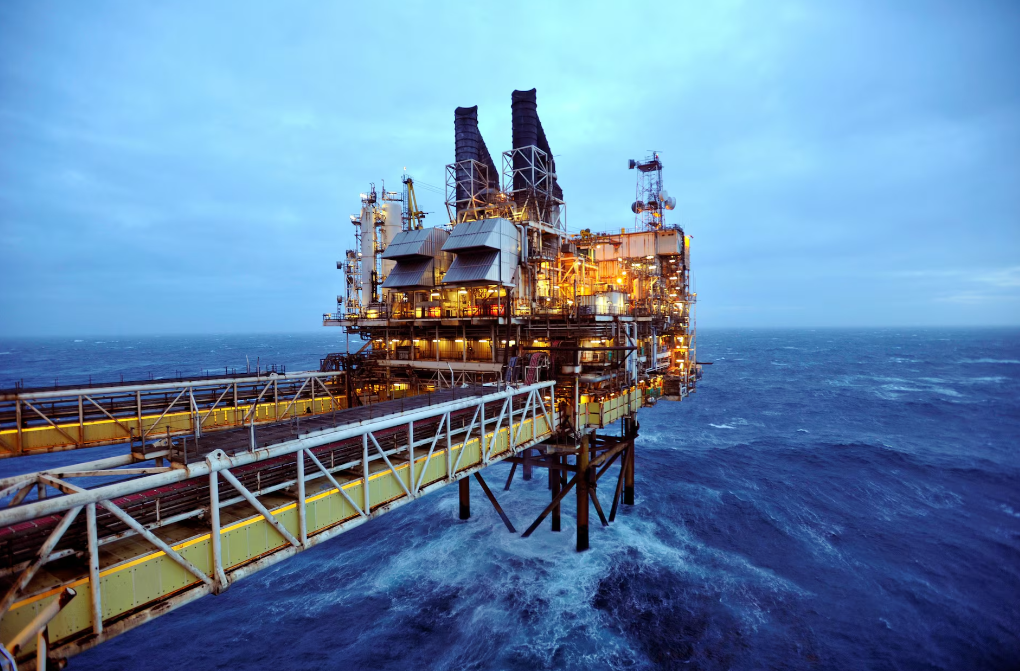
- Rosebank oil field (west of Shetland): One of the largest undeveloped oil fields in the UK Continental Shelf.
These projects received regulatory approval under the previous Conservative government but were overturned by court rulings in 2025 following legal challenges over downstream (scope 3) emissions. Public consultations on both fields launched recently and are due to close on August 8, 2026.
Industry estimates suggest that together, Rosebank and Jackdaw could deliver around 10% of the UK’s domestic gas production and help slow the decline in North Sea output. Proponents highlight benefits including thousands of jobs and apprenticeships, significant tax revenue, and stronger energy security — especially relevant amid recent geopolitical tensions.
Neil McCulloch, CEO of Adura, stated that timely approval would “unlock significant benefits” and provide critical work for the UK supply chain.
Political Context and Burnham’s Stance
Burnham has described himself as “open-minded” on North Sea development and has been influenced by pressure from Scottish Labor MPs and trade unions such as Unite and the GMB. Chancellor Rachel Reeves previously indicated she would be “very happy” to back exploration at both sites.
This marks a potential shift in emphasis from the Starmer era, during which Energy Secretary Ed Miliband prioritized net-zero targets and resisted faster progress on domestic fossil fuel production. Burnham’s broader agenda includes public control of utilities, cost-of-living support, and decentralization — framing North Sea activity as part of a “managed transition” rather than an outright reversal of climate goals.
Public opinion strongly favors domestic production. Recent polling showed around 71% support for UK oil and gas output, with even Labor voters leaning toward prioritizing homegrown resources over imports.
Odds of Success: Civil Service and Departmental Dynamics
The question of whether administrators in the Department for Energy Security and Net Zero (DESNZ) and related bodies will facilitate oil and gas development is central to the debate.
In the UK’s constitutional system, civil servants are politically neutral and duty-bound to implement the lawful policies of the elected government. The Prime Minister and ministers set direction; the permanent civil service provides advice and executes decisions.
Historical precedents show occasional bureaucratic caution or differing priorities:
In the 1970s, civil servants advised ministers on structuring North Sea boundaries partly to maintain UK-wide control amid devolution debates.
Broader “energy establishment” preferences have sometimes favored established technologies (nuclear, oil/gas) over emerging renewables in earlier decades.
However, there is limited evidence of systematic civil service sabotage of elected energy policies in recent times. Delays on North Sea projects under both Conservative and Labor governments have primarily stemmed from:
- Court-mandated environmental assessments.
- Mandatory public consultations.
- Ministerial policy choices (e.g., Miliband’s strong net-zero focus).
- Regulatory uncertainty around taxes (Energy Profits Levy) and fiscal frameworks.
Industry groups like Offshore Energies UK (OEUK) have repeatedly called for a “policy reset” to unlock tens of billions in investment, arguing that imported LNG has a significantly higher carbon footprint than domestic production.
Realistic assessment: With Burnham as Prime Minister issuing clear direction, the probability of progressing Jackdaw and Rosebank (existing licenses, not new exploration) is high in the medium term. Any resistance would likely manifest as procedural caution or legal-risk advice rather than outright blockage. Burnham can appoint a new Energy Secretary aligned with his pragmatic stance, further tilting implementation. Past experiences show that determined prime ministerial leadership usually overcomes departmental inertia when projects align with manifesto commitments and deliver jobs/revenue.reuters.com
Broader Implications
Approving these projects would not breach Labor’s manifesto pledge against new licenses. It would, however, signal a more balanced approach to the North Sea’s role in the energy transition — sustaining production, protecting skilled jobs, and reducing reliance on higher-emission imports while renewables scale up.
Critics from environmental groups and parts of the Labor left argue it undermines climate leadership. Supporters, including unions and industry, counter that the UK will still need oil and gas for decades and that domestic output is preferable on security and emissions grounds.
Outlook
Burnham is expected to outline supportive measures soon after taking office, potentially accelerating decisions once consultations conclude. Success will depend on navigating legal processes, managing internal party tensions, and delivering tangible benefits in jobs and energy security.
For the North Sea sector, this could mark the beginning of a more stable policy environment — one that balances transition goals with pragmatic realities.
- OilPrice.com – Original article: https://oilprice.com/Energy/Energy-General/New-UK-Prime-Minister-Set-to-Back-North-Sea-Oil-and-Gas-Projects.html (July 20, 2026)
- BBC News – Burnham to announce plans for new North Sea oil and gas drilling: https://www.bbc.co.uk/news/articles/c935yx2z9d4o (July 18, 2026)
- House of Commons Library – Debate on North Sea oil and gas: https://commonslibrary.parliament.uk/research-briefings/cbp-10905/
- Offshore Energy – UK offshore energy seeks North Sea policy U-turn: https://www.offshore-energy.biz/uks-offshore-energy-seeks-north-sea-oil-gas-policy-u-turn-to-unlock-multi-billion-investments/ (July 20, 2026)
- Financial Times – Burnham to maintain ban on new exploration licences: https://www.ft.com/content/d9631aae-1100-43e0-a09a-e49f5c21f896 (July 19, 2026)
- The Guardian – Labour MPs urge Burnham to block more North Sea drilling: https://www.theguardian.com/environment/2026/jun/30/labour-mps-tell-burnham-ignore-deluded-calls-more-north-sea-drilling (June 30, 2026)
- Various reports on Andy Burnham’s appointment and cabinet speculation (BBC, Reuters, Guardian, July 2026).
All information current as of July 20, 2026. Developments may evolve rapidly following public consultations and cabinet appointments.