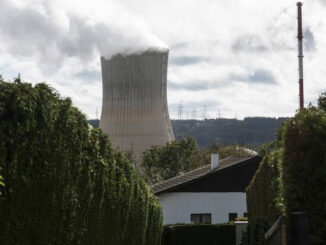
As we navigate the early days of 2026, the energy sector continues to intersect with commodities in unexpected ways. A potential natural gas shortage in Europe, driven by critically low storage levels in Germany amid one of the coldest Januaries in years, is poised to ripple through industrial operations.
This isn’t just about heating homes or powering grids—it’s about energy-intensive industries like silver refining, which could face curtailments, higher costs, or even temporary shutdowns. For silver, a metal already in the midst of a historic rally with prices surpassing $100 per ounce as of January 23, 2026, this adds another layer of supply pressure. Let’s break down what this means for the broader market, spotlight key European refineries at risk, highlight promising U.S.-based miners and refiners based on their 2025 earnings, and examine the ongoing saga of JP Morgan’s silver positions.
The Energy-Silver Nexus: Why Natural Gas Matters to Refineries
Silver refining is an energy-intensive process, often relying on natural gas for heating during smelting, electrolysis, and purification. In Europe, where gas is a cornerstone of industrial energy, shortages could lead to rationing that prioritizes residential use over factories.
Germany’s gas storage sits at just 41.8% capacity—down sharply from 64% last year—with frigid weather accelerating drawdowns.
If levels drop below 20%, technical challenges in maintaining pipeline pressure could force industrial cutbacks, spiking operational costs or halting production altogether.This comes at a time when the global silver market is already strained. Refined silver shortages have been building due to bottlenecks at refineries, exacerbated by surging demand from solar panels, electronics, and electric vehicles.
A European disruption would worsen this, potentially reducing global refined silver output by millions of ounces. With silver in its fifth consecutive year of supply deficits, any hiccup in refining could push prices even higher, benefiting producers elsewhere but squeezing end-users in tech and renewables.
Broader Market Implications: Tighter Supply, Higher Prices, and Geopolitical Ripples
For the total silver market, this scenario spells volatility and upward pressure on prices. Silver closed 2025 around $70 per ounce before exploding to $100 in early 2026, driven by industrial demand and investor flight to safe-haven assets amid geopolitical tensions.
A gas-induced slowdown in European refining could amplify the ongoing “silver squeeze,” where physical demand outstrips available refined product.
Analysts project global silver mine production at 835 million ounces for 2025—a 7.23% drop from 2016 levels—highlighting chronic undersupply.
On the macro level, this ties into Europe’s broader energy woes: growing reliance on U.S. LNG imports amid low storage and the 2027 Russian gas ban.
If shortages materialize, industrial slowdowns could dent European GDP, while higher silver prices boost mining revenues globally. For energy markets, it underscores the fragility of the “green transition”—solar’s silver hunger (up to 20 grams per panel) could face headwinds if supply chains falter.
Overall, expect silver to outperform other commodities in 2026, with potential for 20-30% gains if disruptions persist.
European Refineries in the Crosshairs
Europe hosts some of the world’s largest and most efficient silver refineries, many clustered in Switzerland and Germany—regions heavily dependent on natural gas. Key players include:
Umicore SA (Belgium): One of the largest silver refiners globally, producing high-purity silver granules at 99.99%. Known for sustainable practices, but energy costs could squeeze margins.
Valcambi (Switzerland): Processes over 2,000 tons of precious metals annually, including significant silver volumes. As a subsidiary of India’s Rajesh Exports, it could face logistical hurdles if gas rationing hits.
Argor-Heraeus (Switzerland): A top-tier refiner specializing in gold and silver, part of the “Swiss Big Four.” High energy needs make it vulnerable to price spikes.
Metalor (Switzerland): Focuses on ethical sourcing and refining; any shutdowns here would tighten the global supply of investment-grade silver.
Agosi (Germany): Among Europe’s biggest, with high refining capacity. Germany’s storage crisis puts it at direct risk of operational curbs.
SAXONIA (Germany): A specialist in precious metals recycling and refining, recognized worldwide. Industrial rationing could force production halts.
Recent reports of major refineries declaring force majeure or halting operations signal broader strains, and a gas crunch could exacerbate this.
U.S. Miners and Refiners: Prime Investment Picks Based on 2025 Earnings
As European woes mount, U.S. silver producers stand to gain from higher prices and stable energy access. Silver mining stocks soared in 2025, with the sector up over 150% year-to-date, outpacing the S&P 500 by 10x.
Focusing on U.S.-centric operations and strong 2025 earnings (particularly Q3, boosted by the price rally), here are standout investments:
|
Company
|
Key Operations
|
2025 Performance Highlights
|
Why It’s a Good Bet
|
|---|---|---|---|
|
Hecla Mining (HL)
|
U.S. mines in Idaho, Alaska, and Nevada
|
Stock up 291%; Record Q3 revenues from higher output and prices |
Domestic focus insulates from European risks; Strong cash flow for expansions.
|
|
Coeur Mining (CDE)
|
U.S. (Nevada, Alaska) and North American assets
|
Q3 earnings surged on silver rally; Positive EPS turnaround investingnews.com
|
Low-cost producer; Benefiting from deficit market with growth projects.
|
|
First Majestic Silver (AG)
|
Primarily Mexico, with U.S. exploration
|
Q3 results lifted by 147% silver price gain; Revenue growth >50% |
Diversified; U.S. ties via Nevada assets; Attractive valuation post-rally.
|
|
Pan American Silver (PAAS)
|
U.S. (Colorado), Canada, LatAm
|
2025 earnings up 55% (consensus); Recent acquisitions boosted scale |
Largest silver producer; Strong balance sheet for weathering volatility.
|
These picks prioritize companies with U.S. footprints and proven earnings growth. Global production deficits (projected at 149 million ounces short) position them for continued upside.
JP Morgan’s Silver Short: A Ticking Time Bomb?
Adding intrigue is JP Morgan’s rumored massive short position in silver futures, inherited from the 2008 Bear Stearns acquisition.
Reports suggest the bank holds shorts covering over 5,900 tons—equivalent to billions in potential losses as prices climb.
With silver’s 147% surge in 2025 pushing positions “underwater” by up to $9.5 billion,
JP Morgan has reportedly shifted operations to Singapore and accumulated physical silver to hedge.
If European disruptions fuel further rallies, this could force a massive cover, accelerating the squeeze. While the bank denies major losses, the situation highlights the risks of manipulation in paper markets versus the physical scarcity of goods.In summary, Europe’s gas crunch could be the catalyst for the next leg up in silver, shifting advantages to U.S. players and exposing vulnerabilities in global finance. As host of Energy News Beat, I’ll be watching this closely—energy and metals are more intertwined than ever. Stay tuned for updates.
Is Oil and Gas Right for Your Portfolio?