


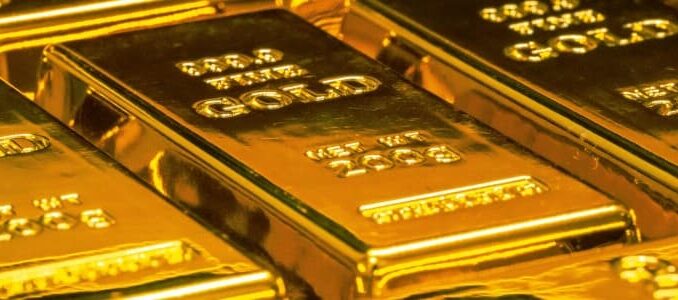
As global flashpoints—from the ongoing Ukraine conflict to escalating U.S.-China trade frictions and Middle East volatility—intensify, central banks are stockpiling gold at a pace unseen in decades. This isn’t just a hedge against inflation; it’s a strategic pivot away from the U.S. dollar amid de-dollarization efforts and sanctions that have weaponized the financial system. According to a recent OilPrice.com analysis, the top 15 central bank buyers have added nearly 2,000 net tonnes of gold over the past five years, propelling prices up more than 230% since 2020.
With gold hovering near $5,000 per ounce this month, the precious metal’s role as a “neutral anchor” in reserves is clearer than ever. But for energy investors tracking these macro shifts—where oil supply disruptions and energy sanctions often mirror gold’s safe-haven appeal—what’s next? Here’s a breakdown of the data, the leaders in accumulation, and the undervalued plays in gold and silver miners that could deliver leveraged upside.
The Global Gold Reserve Landscape: Top 10 and the Big Movers
Official data from the World Gold Council and IMF, as of late 2025, paints a picture of entrenched Western dominance with a surging challenge from emerging powers. Here’s the latest top 10 by gold reserves (in tonnes):
|
Rank
|
Country
|
Gold Reserves (Tonnes)
|
% of Foreign Reserves
|
|---|---|---|---|
|
1
|
United States
|
8,133
|
~78%
|
|
2
|
Germany
|
3,352
|
~72%
|
|
3
|
Italy
|
2,452
|
~69%
|
|
4
|
France
|
2,437
|
~68%
|
|
5
|
Russia
|
2,333
|
~25%
|
|
6
|
China
|
2,280
|
~4%
|
|
7
|
Switzerland
|
1,040
|
~8%
|
|
8
|
India
|
880
|
~8%
|
|
9
|
Japan
|
846
|
~3%
|
|
10
|
Netherlands
|
613
|
~67%
|
Sources: World Gold Council, IMF IFS (Q4 2025 data).
The U.S. still holds more gold than the next three combined, a legacy of Bretton Woods. But the action is elsewhere. Since 2020, China has added over 350 tonnes, quietly building toward self-reliance. Poland—a NATO stalwart hedging against Russian aggression—has surged with +300 tonnes, now holding over 550 tonnes and making it Europe’s fastest-growing accumulator. Türkiye and India round out the top buyers, with Brazil, Azerbaijan, and Hungary also piling in.
In 2025 alone, central banks netted 863 tonnes—down from 2024’s record 1,092 but still triple the 2010-2021 average. Poland led with 102 tonnes, followed by Kazakhstan and Brazil. Meanwhile, net sellers like the Philippines (down 65+ tonnes) and Kazakhstan (in some quarters) were outliers, often due to liquidity needs.
Silver? It’s quieter, but Russia’s recent inclusion of the white metal in reserves signals a broader precious metals push amid debt concerns. Central banks hold minimal silver officially, but the trend hints at diversification beyond gold.
Why This Matters for Energy Markets—and Investors
Geopolitics doesn’t stop at gold. Energy sanctions on Russia have accelerated BRICS de-dollarization, with gold settlements in oil trades gaining traction. As tensions ripple into LNG, crude, and critical minerals, gold’s rally (up ~72% year-over-year) acts as a barometer for the same risks hitting energy portfolios. Central banks’ buying—43% plan more in the next year—underpins a structural bull market.
For investors, this isn’t fleeting. Gold’s role in reserves has jumped to 23% globally, up from 10-15% pre-2022. With prices at record highs, the question shifts: Where’s the next leg up?
Gold and Silver Miners: Undervalued Leveraged Plays
Yes—gold and silver miners are still deeply undervalued, trading at discounts to net asset value (NAV) and historical multiples despite 2025’s stellar gains. Majors sit at ~0.75x P/NAV (vs. long-term averages near 1.2x), with juniors even cheaper at 0.5x. Why? Low investor ownership, robust balance sheets, and explosive margins as gold tops $5,000/oz. CAPEX is at cycle lows, setting up for production growth.
What to Look For in Miners:
All-in Sustaining Costs (AISC) under $1,200/oz: Ensures profitability even if prices dip.
Production Ramp-Ups: 10-20%+ growth in 2026-2027.
Low-Risk Jurisdictions: Canada, Australia, U.S. over Africa/LatAm volatility.
Dividends and Buybacks: Yielding 1-3% with free cash flow.
Silver Leverage: Byproduct exposure for extra upside (silver at $75-80/oz).
Top Gold Miners to Watch:
Agnico Eagle Mines (AEM): Tier-1 assets in Canada/Australia. Strong growth from Odyssey and Detour Lake; trades at a premium but with exploration upside for decades.
AngloGold Ashanti (AU): Deeply undervalued at ~12x forward P/E. African focus but improving ops; analysts eye 50%+ EPS growth.
B2Gold (BTG): “Deeply undervalued” per Street views. 1M+ oz potential in 2026; EV/EBITDA under 7x.
Newmont (NEM): The giant with Nevada Gold Mines. Solid balance sheet; recent pullbacks offer entry.
Silver Standouts (for Diversification):Pan American Silver (PAAS): Diversified silver-gold producer. Strong in Mexico/Peru; undervalued amid silver deficits.
Hecla Mining (HL): U.S.-focused pure-play; up 300%+ in the past year but room for more on silver’s industrial demand (solar, EVs).
ETFs like GDX (gold miners) or SIL (silver) offer broad exposure for beginners.
The Bottom Line: Position for the Long Haul
Geopolitical storms aren’t abating—expect more central bank buying into 2026, with gold potentially testing $5,500-6,000. For Energy News Beat followers, this gold surge echoes energy’s own supply crunches: scarcity, sanctions, and strategic hoarding. Investors should prioritize quality miners with proven execution over hype. Watch Q4 earnings for guidance, central bank surveys from the World Gold Council, and any U.S. dollar weakness. In a world of fiat fragility, gold miners aren’t just stocks—they’re a portfolio’s geopolitical insurance.
Disclosure: This is for informational purposes; consult a financial advisor. Energy News Beat does not provide investment advice.
Sources: nerdwallet.com, Zerohedge
Get your CEO on the podcast: https://sandstoneassetmgmt.com/media/
Is oil and gas right for your portfolio? https://sandstoneassetmgmt.com/invest-in-oil-and-gas/


Be the first to comment