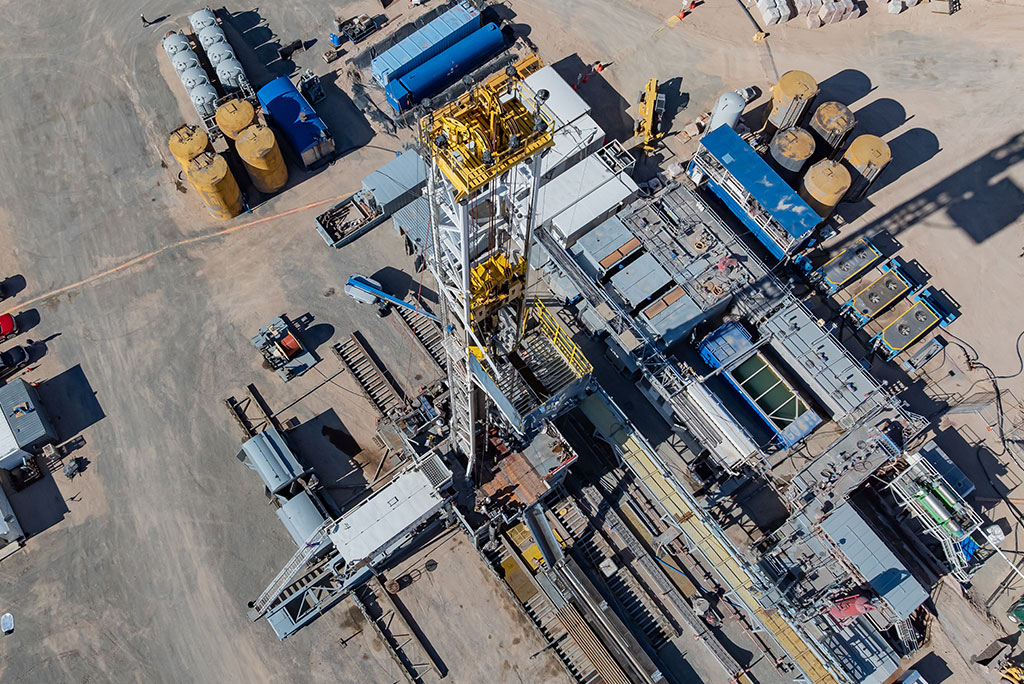
America stands on the cusp of a geothermal energy revolution that could deliver up to 150 gigawatts (GW) of clean, constant, 24/7 baseload power—enough to power tens of millions of homes and slash reliance on intermittent renewables or fossil fuels. The breakthrough? Enhanced Geothermal Systems (EGS), which use advanced drilling techniques borrowed from the oil and gas industry to create man-made reservoirs in hot rock formations where natural ones don’t exist.
Houston-based Fervo Energy is leading the charge. The startup has already proven EGS at scale with its Project Red pilot in Nevada and is now scaling aggressively. Its Cape Station project in Beaver County, Utah, is set to deliver 100 MW to the grid later in 2026, expanding to 500 MW by 2028—the world’s largest next-generation geothermal development. Fervo has also inked deals to supply 115 MW via its Corsac Station in Nevada to power Google data centers through NV Energy.
The U.S. Geological Survey estimates 135 GW of EGS potential in the Great Basin alone (spanning Nevada and parts of California, Utah, Oregon, Idaho, and Arizona), with broader national forecasts hitting 150 GW or more. For context, the entire U.S. currently has just 2.7 GW of conventional geothermal capacity from 99 plants—roughly 0.2% of total summer generation.
States Poised to Lead the Geothermal Surge—Especially for Data Centers
Nevada is emerging as the epicenter. With 32 existing geothermal plants (second only to California’s 53), the state is already home to Fervo’s Corsac Station and a major new 150 MW portfolio PPA signed in February 2026 between Ormat Technologies and NV Energy specifically to support Google’s data centers. Projects under this deal are expected to be online between 2028 and 2030.
Utah is right behind, thanks to Fervo’s flagship Cape Station. The state’s high-temperature resources and supportive policies make it a prime EGS hub.
New Mexico is the newest breakout player. XGS Energy (in partnership with Baker Hughes) is advancing a 150 MW closed-loop geothermal project to directly support Meta Platforms’ data centers, with construction phases targeting full operations by 2030. This single project would increase New Mexico’s operating geothermal capacity tenfold.
California remains the traditional kingpin with the vast majority of U.S. capacity (including Calpine’s iconic Geysers complex), but EGS expansion there is hampered by denser population and stricter local rules.
Fervo’s own analysis shows enough EGS resource potential for 10 GW-scale data center clusters in at least 22 states, meaning the revolution isn’t limited to the West. We have reached out to Tim Latimer, CEO and Co-Founder of Fervo, for an interview on the Energy News Beat Podcast, and we will keep you posted.
Why data centers? AI and hyperscale facilities are exploding in power demand. They need firm, always-on electricity—not the variable output of solar or wind. Geothermal delivers capacity factors above 90%, can be co-located or wheeled directly to loads, and even offers underground thermal energy storage to cut cooling costs. Google, Meta, and others have already signed multiple 100+ MW PPAs precisely for this reason.
What This Means for Investors and Consumers
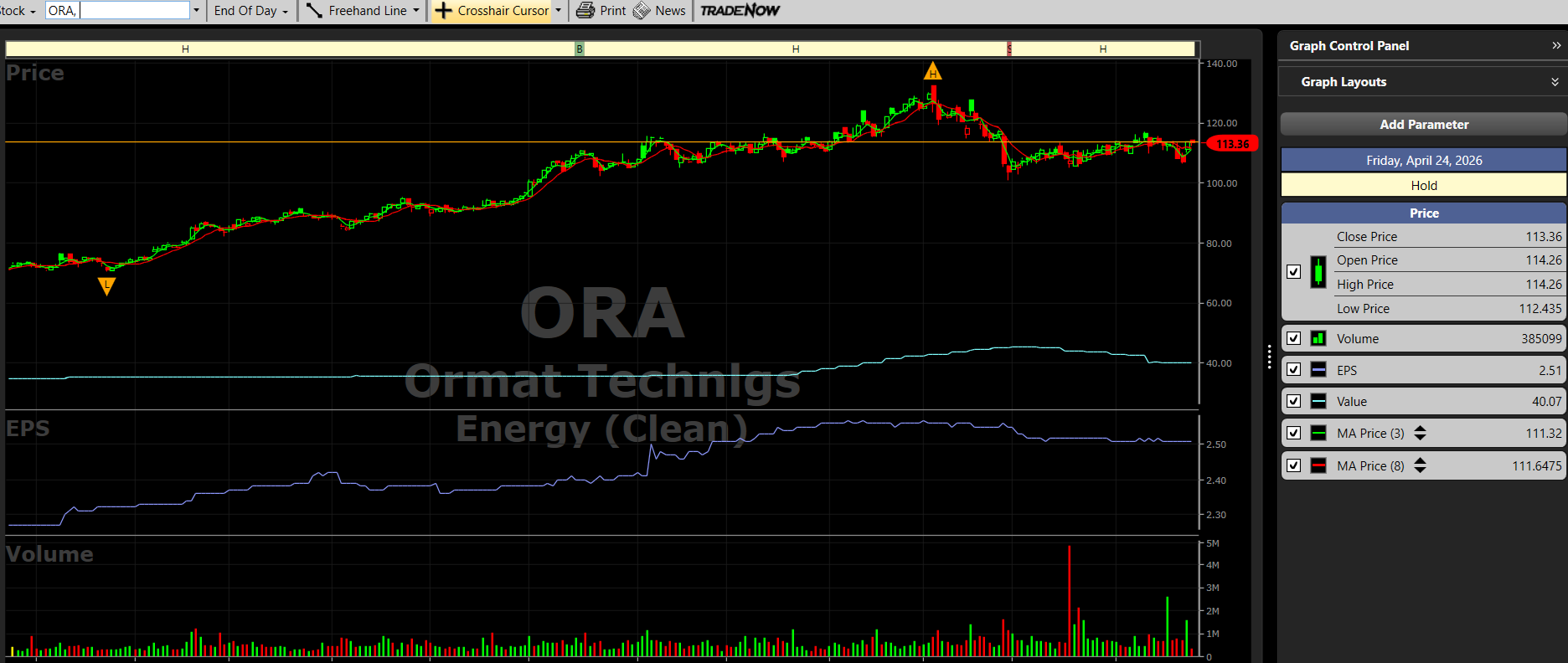
Investors are pouring in. Fervo raised $462 million in a December 2025 Series E round (led by B Capital with Google as a new investor) and secured another $421 million in construction financing for Cape Station. The company has leased nearly 600,000 acres and filed for a Nasdaq IPO under ticker “FRVO.” Ormat Technologies (NYSE: ORA), already a geothermal giant, is expanding aggressively through portfolio deals. Public and private capital is flooding the sector—over $1.5 billion since 2021—with drilling costs dropping fast thanks to oilfield tech improvements.
Consumers stand to gain reliable, low-volatility power that stabilizes the grid and could eventually lower bills as geothermal scales and displaces expensive peaker plants or imported fossil fuels. In states with data-center-driven demand, this means keeping the lights on (and servers humming) without brownouts or rate spikes.
Environmental Benefits: True Clean Firm PowerGeothermal is carbon-free, produces virtually no air or water emissions during operation, and uses a fraction of the land of solar or wind farms. EGS systems like Fervo’s and XGS’s are designed to be water-independent or closed-loop, addressing past concerns. As a baseload resource, it reduces the need for backup gas plants and helps decarbonize the grid while supporting energy security.
How DOE, DOI, and EPA Can (and Should) Accelerate Under President Trump’s Directives
President Trump’s “Unleashing American Energy” executive order and National Energy Emergency declaration have already set the stage. The Department of Energy announced a $171.5 million funding opportunity in February 2026 for next-generation geothermal field-scale tests—explicitly tied to the EO.
Department of Energy (DOE): Continue and expand funding for EGS demonstrations (like Utah FORGE), R&D on drilling cost reductions, and data-center-specific applications such as underground thermal storage. Fast-track approvals for loan guarantees and tax credit guidance under updated energy dominance policies.
Department of the Interior (DOI) / Bureau of Land Management (BLM): Implement sweeping NEPA reforms announced in February 2026 to cut red tape on federal lands, where much of the Great Basin resource sits. Emergency permitting procedures, 30-day completeness reviews, and the recently House-passed HEATS Act (H.R. 5587) would exempt non-federal surface geothermal projects from duplicative federal drilling permits if states approve them. DOI should prioritize geothermal lease sales and streamline environmental reviews.
Environmental Protection Agency (EPA): Align with broader permitting reforms to eliminate unnecessary delays in air, water, and NEPA reviews. Focus on efficient, science-based approvals rather than duplicative processes that have historically slowed geothermal by years.
State regulators must also act—streamlining their own permitting while maintaining environmental safeguards. If federal and state agencies move together, the 150 GW vision could shift from potential to reality within a decade, powering the AI boom and delivering energy dominance.
The technology is here. The demand is exploding. The only thing standing in the way is bureaucracy. Time to get out of the way.
Appendix: Sources and Links
- Original OilPrice.com article (Apr 25, 2026): https://oilprice.com/Alternative-Energy/Geothermal-Energy/Americas-Geothermal-Breakthrough-Could-Unlock-a-150-Gigawatt-Energy-Revolution.html
- USGS EGS Great Basin Assessment (2025): https://pubs.usgs.gov/fs/2025/3027/fs20253027.pdf
- Ormat/Google PPA announcement (Feb 17, 2026): https://investor.ormat.com/news-events/news/news-details/2026/Ormat-Technologies-Announces-the-Signing-of-Geothermal-Portfolio-PPA-of-Up-to-150-MW-to-Support-Googles-Data-Center-Operations-Through-NV-Energy/default.aspx
- XGS Energy / Baker Hughes / Meta New Mexico project (Mar 2026): https://www.xgsenergy.com/xgs-energy-and-baker-hughes-announce-strategic-collaboration-to-advance-geothermal-development-in-new-mexico/
- Fervo Energy funding and Cape Station updates: https://fervoenergy.com/fervo-energy-raises-462-million-series-e-to-accelerate-geothermal-development-and-meet-surging-energy-demand-with-clean-firm-power/
- Trump Administration NEPA Reforms (DOI, Feb 2026): https://www.doi.gov/pressreleases/trump-administration-delivers-historic-nepa-reform-unleashing-resources-americas
- Additional market reports and PPAs referenced via NREL 2025 U.S. Geothermal Market Report and Rhodium Group analysis (publicly available summaries).
Energy News Beat will continue tracking this story as projects break ground and regulators respond.