As recently as April 25, 2026, multiple U.S. states—many of them longtime Democratic strongholds—are quietly scaling back or delaying ambitious climate targets. The driver? Surging energy costs, fading federal support under the current Trump administration, and growing voter pushback over affordability. This retreat, detailed in a timely analysis by OilPrice.com, marks a significant shift from the Biden-era push for rapid decarbonization fueled by the 2022 Inflation Reduction Act.
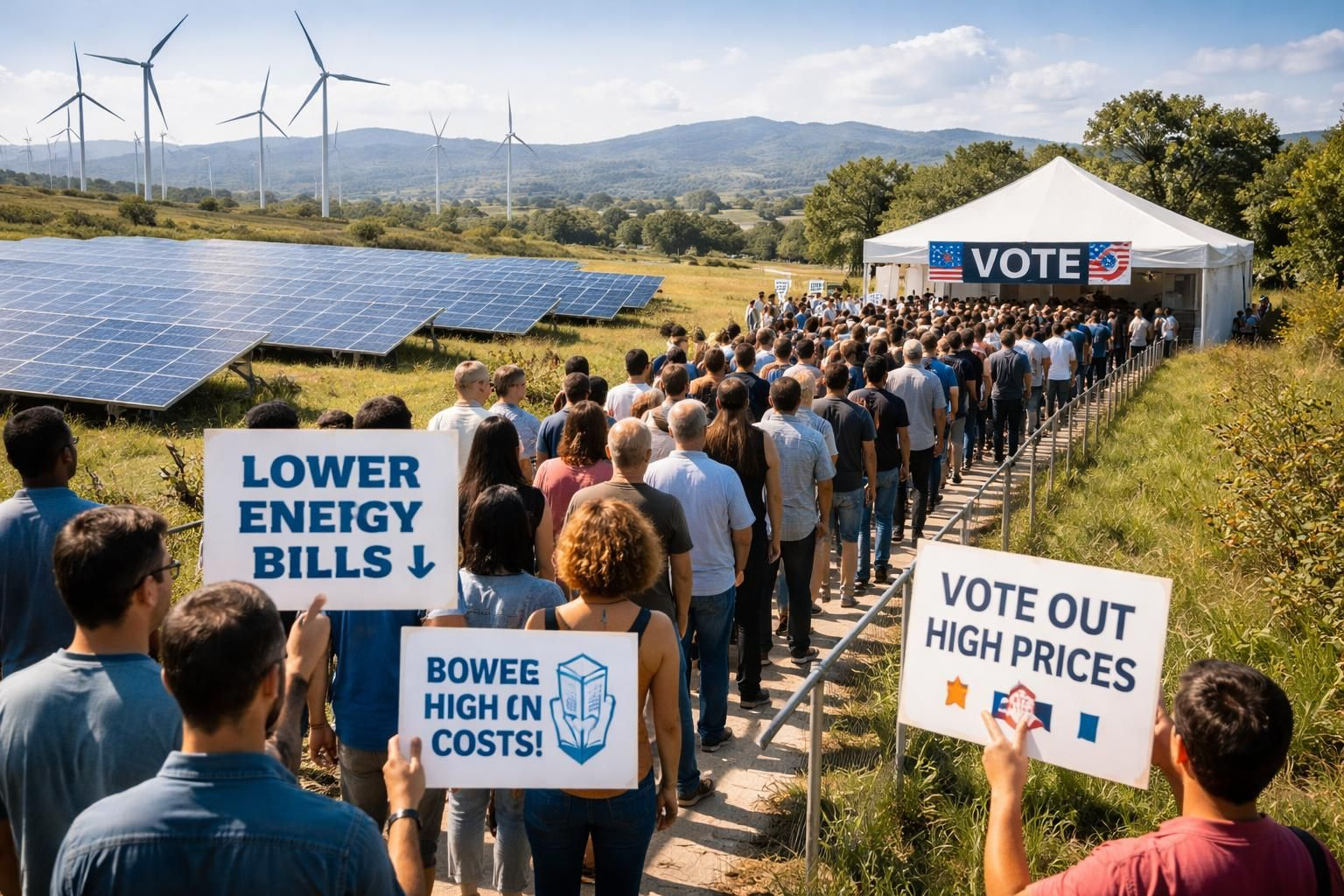
While the image used in this article was created with ChatGPT, it is almost correct in what we are seeing. People are waking up to the fact that Energy Security starts at home, and Energy Policies based upon made-up climate fearmongering have increased costs around the world.
New York Governor Kathy Hochul has openly admitted the state’s 2030 emissions reduction goals are now unattainable and is asking the legislature to revise its landmark climate law to avoid crushing utility bills. Massachusetts is poised to cut a program that adds surcharges to utility bills for heat pumps and efficiency upgrades, with Governor Maura Healey citing affordability under the new Energy Affordability Independence and Innovation Act. Rhode Island Governor Dan McKee has proposed pushing back the deadline for 100% renewable electricity from 2033 all the way to 2050 to shield consumers from short-term cost spikes.
Northeast governors, while still voicing support for climate action, are adapting policies in response to voter concerns. Broader structural headwinds—including post-COVID supply chain snarls, higher material costs from tariffs on Chinese imports, local opposition to wind/solar farms and transmission lines, and slower-than-expected EV adoption due to price, range, and charging issues—have compounded the problem. Heavy continued reliance on natural gas, volatile global fossil fuel prices (exacerbated by Middle East conflicts), and reduced federal incentives have made 2030 targets unrealistic for many states.
These state-level retreats come as electricity prices have climbed sharply nationwide. Critically, data consistently shows a partisan divide: Blue (Democratic-leaning) states pay an estimated 37-38% more for electricity on average than Red (Republican-leaning) states. Reports from the Institute for Energy Research and Always On Energy Research highlight that 86% of states with above-average prices are reliably blue, driven by aggressive renewable mandates, net-metering policies, premature retirements of reliable baseload power, and restrictions on natural gas infrastructure. In contrast, 80% of the lowest-price states are red. New York’s rates, for example, sit 58% above the national average.
Mid-Term Elections Loom: Parties Battle Over the Narrative
With the 2026 midterms just months away, energy affordability has surged to the forefront of voter concerns—often rivaling groceries, housing, and healthcare. Polling from groups like Climate Power, LCV, and Pew Research shows 78-84% of voters reporting higher electricity and heating bills over the past year, with swing voters particularly alarmed (42% “very concerned”). Electricity prices are now a top campaign issue in competitive races across Ohio, Pennsylvania, Michigan, and beyond.
Republicans are shaping the narrative around “energy realism”: abundant domestic fossil fuels, streamlined permitting, and an end to what they call costly green mandates that have driven up rates in blue states. They point directly to the blue-red price gap as evidence that progressive climate policies equal higher bills for families. GOP messaging emphasizes reliability, lower costs, and job growth in traditional energy sectors, framing Democratic-led retreats as tacit admissions that green goals are unaffordable.
Democrats, meanwhile, are attempting to deflect blame by pinning rising costs on Trump administration cuts to clean-energy incentives, halted offshore wind projects, and the broader rollback of federal climate funding. Their pitch: Clean energy (solar, wind, efficiency) is the fastest and cheapest way to add supply and stabilize prices long-term, while data centers and AI demand are the real culprits squeezing grids. Some Democratic candidates are even calling for data centers to pay higher fees to offset costs. Polls show Democrats holding a slight edge (37% vs. 25%) in perceived commitment to lowering energy prices, but enthusiasm gaps and shifting Republican views on fossil fuels vs. renewables complicate the picture.
Can Democrats Deflect the Blue-State Cost Reality?
The 37-38% higher energy costs in blue states represent a stubborn fact that Democrats will struggle to fully deflect. Even as some blue-state leaders quietly revise goals, national Democratic messaging continues to tout renewables as the affordability solution. However, voters in high-cost states like California (double the national average), New York, and New England are feeling the pinch directly—and many are in districts that could flip in the midterms. Recent special elections and 2025 gubernatorial races in Virginia and New Jersey showed energy bills helping Democrats in some cases, but the broader trend favors candidates who prioritize immediate relief over long-term climate targets.
Analysts note that while Democrats argue clean energy will eventually lower bills, the short-term reality of mandates, subsidies, and infrastructure costs has already materialized in higher rates. Republicans are weaponizing this disparity, arguing that blue-state policies offer a cautionary tale for the nation.
How Will Consumers React at the Voting Booth This Fall?
Voter unrest over energy costs is palpable. With 73% of Americans worried about utility bills and electricity prices up significantly since 2021, pocketbook issues are likely to outweigh abstract climate rhetoric for many. Early indicators from the 2025 elections suggest affordability-focused messaging resonates—whether from Democrats promising more supply or Republicans promising fewer mandates. Swing voters and working families in particular appear poised to reward candidates who deliver tangible relief rather than ambitious but expensive targets.
In short, the full retreat by even climate-leading states signals a political reckoning: when costs surge and federal backstops vanish, voters demand affordability first. The 2026 midterms will test whether parties can align their narratives with that reality—or risk being held accountable at the ballot box.
Appendix: Sources and Links
- OilPrice.com Article (primary reference): “U.S. States Retreat From Climate Goals as Costs Surge and Federal Support Fades” by Felicity Bradstock, April 25, 2026. https://oilprice.com/Energy/Energy-General/US-States-Retreat-From-Climate-Goals-as-Costs-Surge-and-Federal-Support-Fades.html
- U.S. News / AP on state retreats: https://www.usnews.com/news/best-states/new-york/articles/2026-04-15/as-energy-costs-rise-some-states-back-off-ambitious-climate-goals
- Energy Bad Boys / IER Report on Blue States, High Rates: https://energybadboys.substack.com/p/blue-states-high-rates (and related analyses confirming ~37% disparity).
- Always On Energy Research / IER: Blue vs. Red electricity prices data.
- LinkedIn / Energy Trends 2026 analysis (37% figure reference): https://www.linkedin.com/posts/stuturley_what-should-consumers-and-investors-look-activity-7412148525976702976-
- Brookings Institution on rising rates and 2026 midterms: https://www.brookings.edu/articles/how-rising-electric-rates-could-affect-the-2026-midterms/
- Climate Power / LCV Polling Memo on utility bills and electoral opportunity: https://climatepower.us/news/polling-memo-utility-bills-clean-energy-electoral-opportunity-in-2026/
- POLITICO Poll on Democrats’ edge in energy cost perception: https://www.politico.com/news/2026/02/10/poll-shows-democrats-hold-edge-over-trump-in-energy-cost-battle-00767537
- Pew Research on shifting American views on energy sources (2026): https://www.pewresearch.org/science/2026/04/03/americans-shifting-views-on-energy-issues/
Additional context from Fortune, CNN, and related 2026 reporting on voter fury and partisan energy narratives.
All data and examples drawn from publicly available reporting as of April 26, 2026. Energy News Beat will continue monitoring developments ahead of the midterms.