In a development that echoes broader regional efforts to reduce vulnerability to the Strait of Hormuz chokepoint, ExxonMobil is emerging as a key partner in Iraq’s drive for energy self-sufficiency—particularly by ending its costly and geopolitically sensitive dependence on Iranian natural gas.
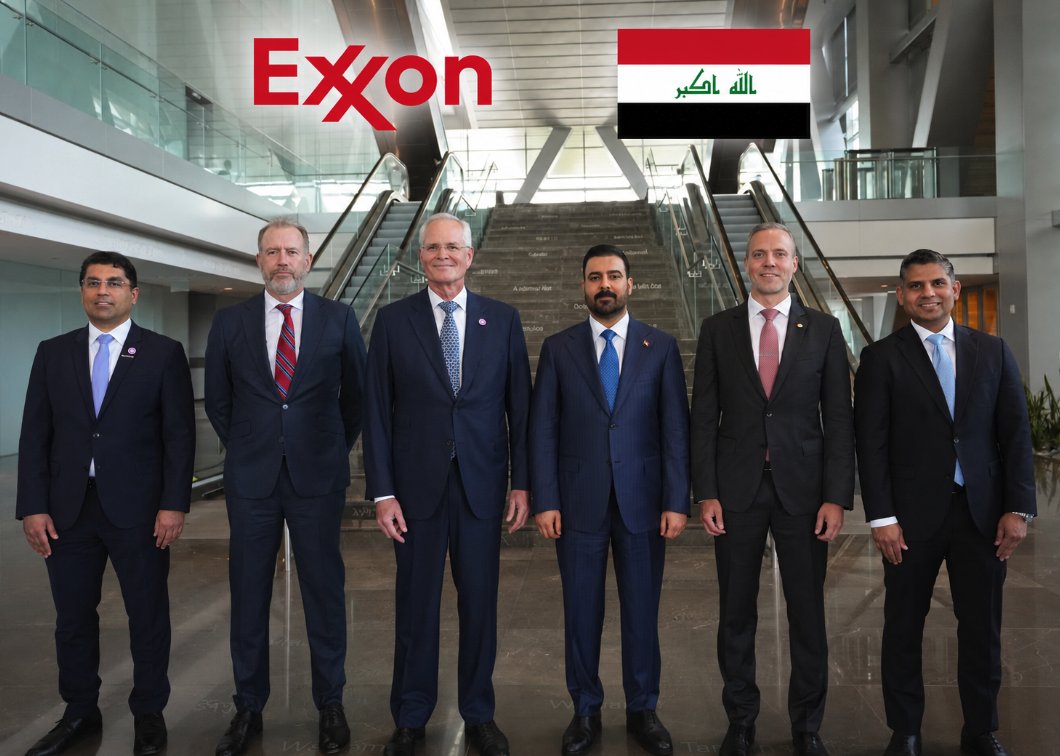
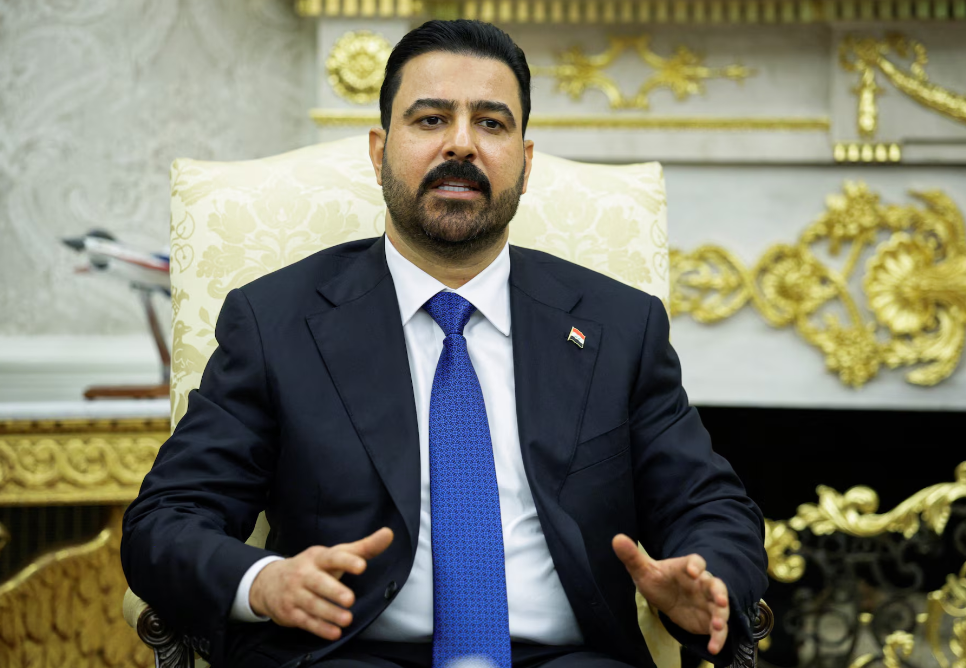
Iraqi Prime Minister Ali al-Zaidi met directly with ExxonMobil CEO Darren Woods in Houston as part of his U.S. trip. The clear ask: expand ExxonMobil’s role across the full Iraqi energy chain—upstream crude development, associated gas capture, refining, and downstream activities—to help Baghdad capture wasted gas, fuel its power grid domestically, and phase out Iranian imports by 2028.
This builds directly on the momentum seen with Chevron. On July 16, 2026, Chevron was set to sign non-binding memorandums of understanding (MOUs) to advance development of the giant West Qurna-2 and Nasiriyah oil fields. West Qurna-2 alone holds 13–14 billion barrels of recoverable reserves and currently produces roughly 460,000–480,000 barrels per day (about 9% of Iraq’s total output). Chevron’s involvement could nearly double that figure.houston.org
Chevron is also part of a U.S.-Qatari consortium (with TI Capital and UCC) advancing feasibility studies for strategic export pipelines that would bypass the Strait of Hormuz entirely—routes such as Basra–Haditha–Kirkuk–Ceyhan (to Turkey’s Mediterranean port) or Basra–Haditha–Baniyas (to Syria). These overland options would let Iraqi crude reach global markets via the Mediterranean and Suez Canal without transiting the narrow, high-risk Hormuz strait that currently handles most of Iraq’s exports.nypost.com
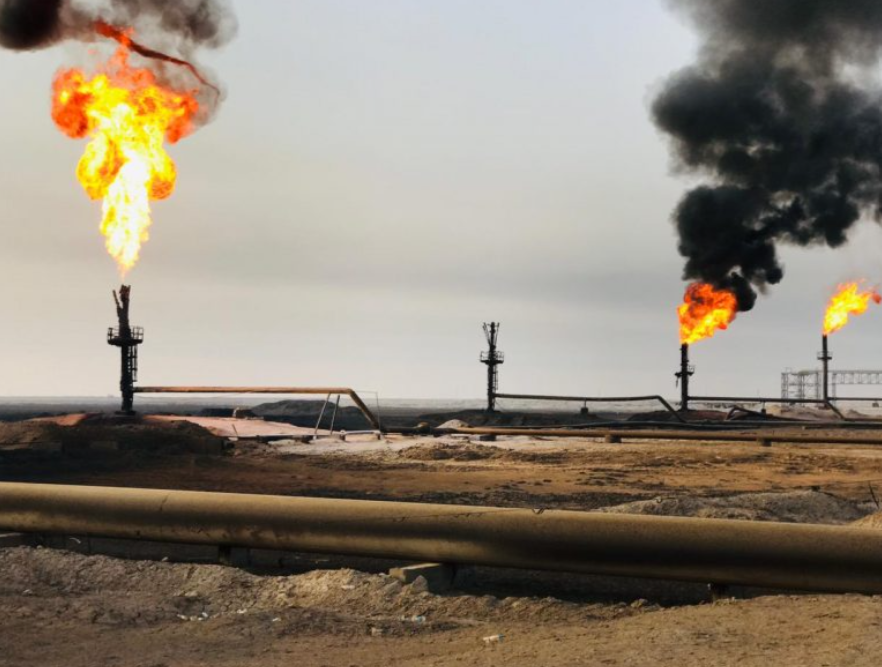
The Core Challenge: Flared Gas and Iranian Dependence
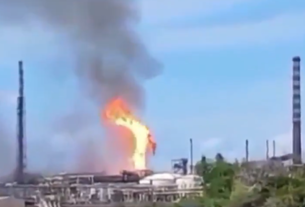
Iraq has long faced a glaring paradox. In 2022, the country flared approximately 17.9 billion cubic meters of associated gas at its oil fields—a massive waste of a valuable resource. At the same time, it spent around $4 billion per year importing Iranian gas and power to keep the electricity grid running.
Iranian pipeline supplies come with repeated sanctions-waiver uncertainties, payment disputes, and geopolitical risk. Replacing them with domestically captured gas would remove a structural vulnerability and directly support Iraq’s goal of gas self-sufficiency.ExxonMobil’s technology and capital are ideally suited for this: accelerating upstream investments to raise crude output, deploying advanced gas-capture systems at major fields, and helping expand refining and petrochemical capacity so Iraq moves beyond being a raw crude exporter.
The Prime Minister delivered the same message in meetings with Chevron, Shell, Halliburton, Baker Hughes, and Honeywell during his U.S. visit: help Iraq develop its own resources, raise production capacity, and reduce reliance on Iranian, Russian, and Chinese energy partners.
Why This Is a Major Positive for a More Stable Iraq
This U.S. energy engagement—led by ExxonMobil and complemented by Chevron’s field and pipeline work—has the potential to deliver transformative benefits for Iraqi stability:
- Greater Sovereignty and Reduced External Leverage: Phasing out Iranian gas imports severs a key channel of influence. Baghdad gains genuine energy independence, shielding it from supply disruptions tied to regional tensions or sanctions politics. This strengthens Iraq’s ability to pursue an independent foreign policy.
- Economic Resilience and Revenue Stability: Capturing flared gas turns waste into power and revenue. Combined with higher oil output (targeting 6+ million bpd) and diversified export routes away from Hormuz, Iraq’s fiscal position becomes far more robust and less vulnerable to chokepoint crises or price shocks.
Domestic Power Security:
- A reliable domestic gas supply means fewer blackouts, especially during peak summer demand. This improves quality of life, supports industry, and reduces reliance on expensive private generators—key ingredients for social and political stability.
- Environmental and Efficiency Gains: Dramatically cutting routine flaring reduces methane emissions and aligns Iraq with international standards, potentially unlocking further investment and cooperation.
- Investment Climate and Geopolitical Realignment: Prioritizing reputable U.S. majors signals a clear pivot toward Western partnerships. This can improve security perceptions, attract more capital, and support broader governance reforms (including efforts to assert state control over armed groups). A more prosperous, energy-secure Iraq is inherently more stable and less susceptible to external destabilization.
- Long-Term Structural Shift: Moving into refining, petrochemicals, and value-added processing creates jobs, builds technical capacity, and reduces the “resource curse” dynamics of pure raw-export dependence.
While execution risks remain—final contracts, infrastructure buildout, security guarantees, and timelines—the high-level political commitment from Prime Minister al-Zaidi’s new government is evident. Iraq is actively courting U.S. expertise precisely because these partnerships align with its core national interest: energy independence and sovereignty.ExxonMobil, as the world’s largest publicly traded oil and gas company, sits at the center of this strategy. Its return and expansion in Iraq, alongside Chevron’s parallel moves, represent a strategic bet on a stronger, more self-reliant Iraq.
As the region continues preparing alternatives to Hormuz vulnerability, these developments show Iraq choosing a path of partnership with leading Western energy firms to build lasting stability from the ground up.
Appendix: Sources and Links
- Primary Chevron article (July 16, 2026): Chevron Plans to Sign Iraq Oil Accord and Seeks Hormuz Bypass with Iraq
- X Post detailing PM al-Zaidi’s ExxonMobil meeting (July 17, 2026): https://x.com/jackprandelli/status/2078103532314534115
- Additional supporting context from recent reporting on Iraq’s U.S. energy partnerships, gas flaring data, production targets, and pipeline initiatives (various 2025–2026 sources including Reuters, The National, U.S. Embassy statements, World Bank gas flaring reports, and industry analyses). Full details available via standard web searches for “Iraq ExxonMobil al-Zaidi Houston,” “Iraq gas flaring 2025/2026,” and “Iraq Hormuz bypass pipelines 2026.”