I was on a roll today. “Virginia Gov Drives the Net Zero Budget Like a Shoppin Cart”
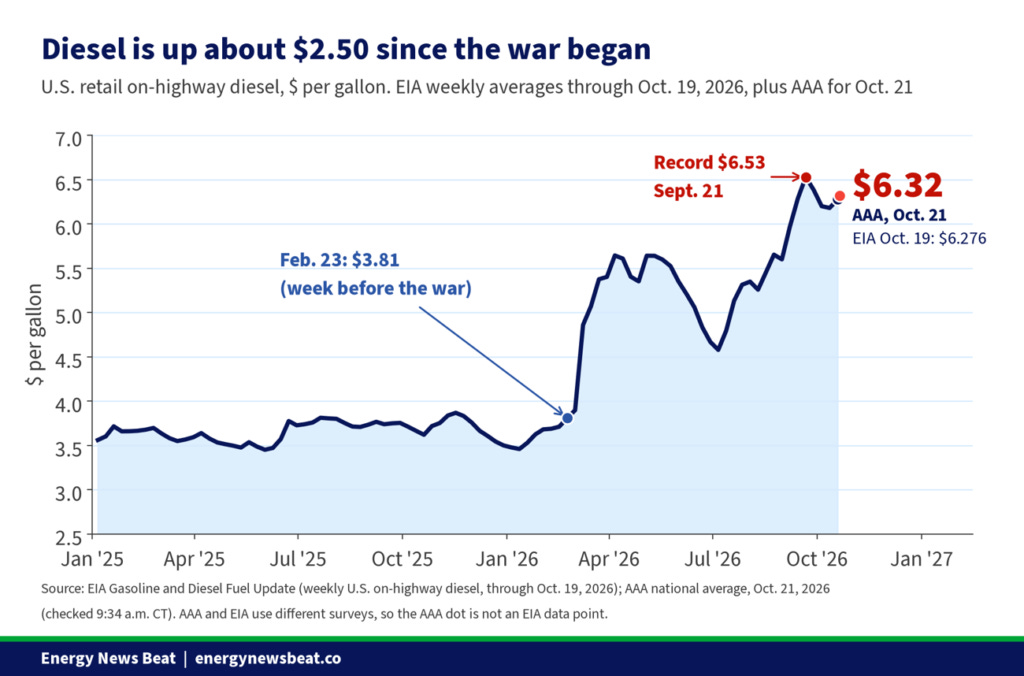
In this week’s Energy News Beat podcast, host Stu Turley tackles the critical energy challenges facing America, from skyrocketing diesel prices and refinery closures to the political policies driving energy costs higher. With diesel at $6.32 per gallon and heating oil up 77% year over year, the administration is exploring ways to reopen shuttered refineries under the Defense Production Act. However, the real story lies in how state-level policies—particularly California’s net-zero mandates and Virginia’s renewable energy push—are exacerbating the crisis rather than solving it.
Turley examines refining margins, Middle East geopolitical tensions, and corporate earnings, making a compelling case that America’s energy security depends on dominance in domestic production, not foreign reliance or ideologically driven policies that undermine the oil and gas industry.

1. U.S. Refinery Crisis & Diesel Shortage
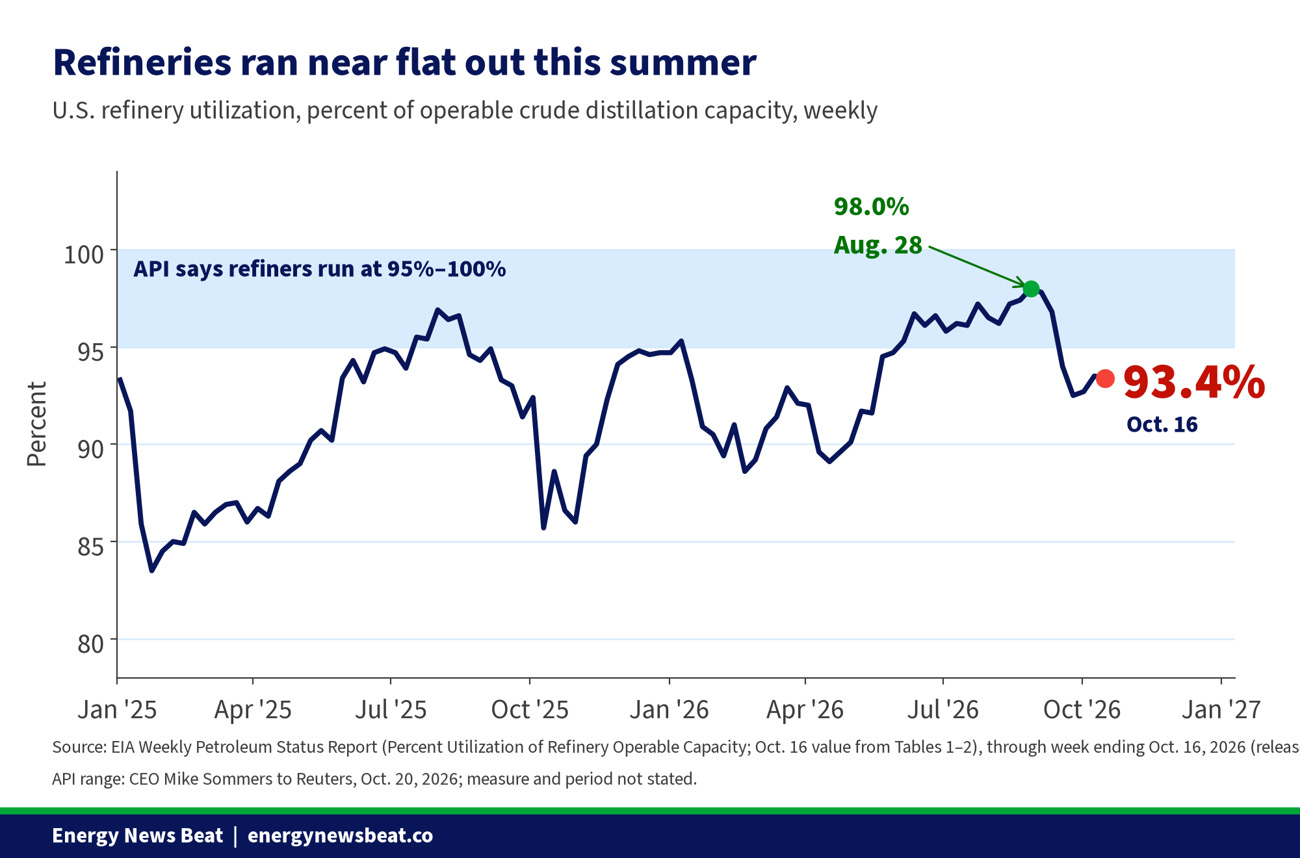
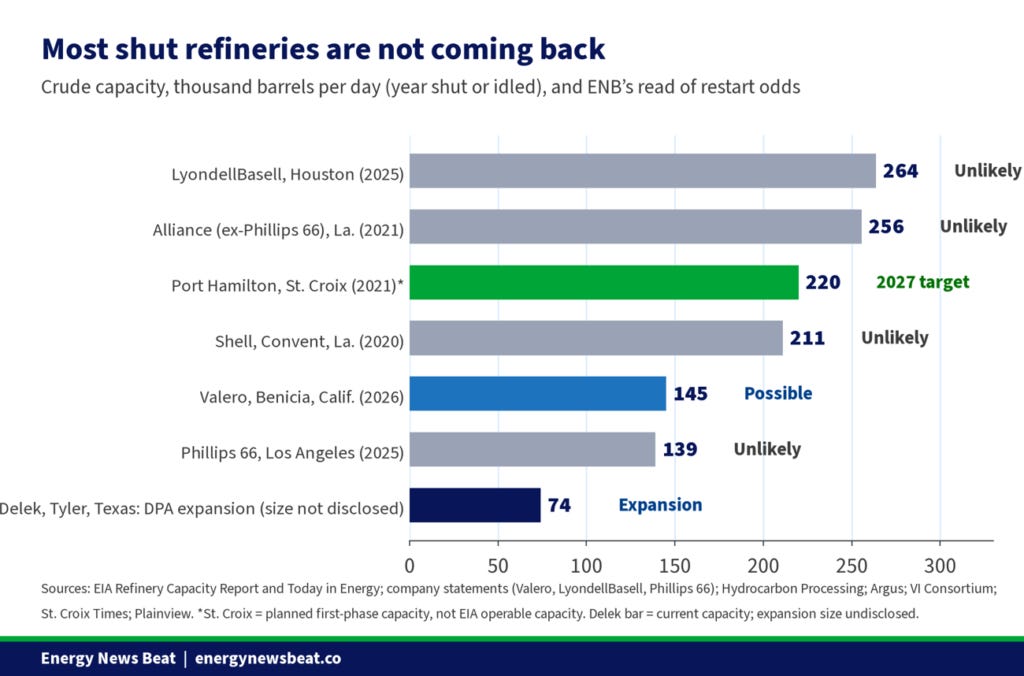
Diesel prices have surged to $6.32/gallon (up from $3.63 a year ago), driven by refineries running at maximum capacity (98%). With heating oil up 77% and diesel stocks at their lowest levels since 1982, the administration is exploring reopening closed refineries using the Defense Production Act (DPA). Key projects include the U.S. Holdings refinery in Tyler, Texas (74,000 barrels/day) and the Valero refinery in California.
2. California’s Energy Policy Impact
3. Virginia’s Rising Energy Costs
We’re in the middle of an update to this story, and it should roll out by Monday.
4. Defense Production Act & Pipeline Expansion
He highlighted national security needs, noting submarine manufacturing in Groton, Connecticut, military bases across New England, and an electric grid “on the ragged edge of surviving at peak demand times, particularly in the winter.” Wright added: “The answer to high prices is more supply to push prices down. The answer to getting to the ragged edge of blackouts is more electric generation, more energy for home heating as well.”Foxbusiness
5. Middle East Oil & Geopolitics
Saudi Aramco ordered the evacuation of its Dhahran headquarters on Thursday, October 22, 2026, directing staff to work remotely after an alarm. Multiple sources, including Bloomberg and Reuters, confirmed the move. It is the first full headquarters evacuation since the U.S.-Israeli war with Iran began in late February 2026.BloombergReuters
The headquarters, which includes an operations center overseeing oilfields, refineries, export terminals, and pipelines, had already suffered extensive fire damage earlier this month when Yemen’s Iran-aligned Houthis struck the building. Most staff had been working remotely since that attack, with only essential personnel remaining on site until the latest order.Reuters
The evacuation comes amid a sharp escalation in Houthi attacks. On Wednesday, a drone targeting Aramco’s Shaybah oil field killed two people (operations were unaffected). The same day, an attack on King Fahd International Airport in nearby Dammam killed two people (a Saudi citizen and an Indian national) and wounded eight others. Saudi forces have responded with strikes on Houthi missile sites and report intercepting many projectiles. The U.S. has ordered the departure of some diplomats and families from Saudi Arabia due to the Houthi threat.BloombergReuters
6. Canadian Oil & Political Leadership
7. Refining Margins & Stock Performance
8. Bloom Energy Analysis
Check out the Research Tab above, and paid Substack Subscribers can request research on any project you are looking at or fighting at City Hall.
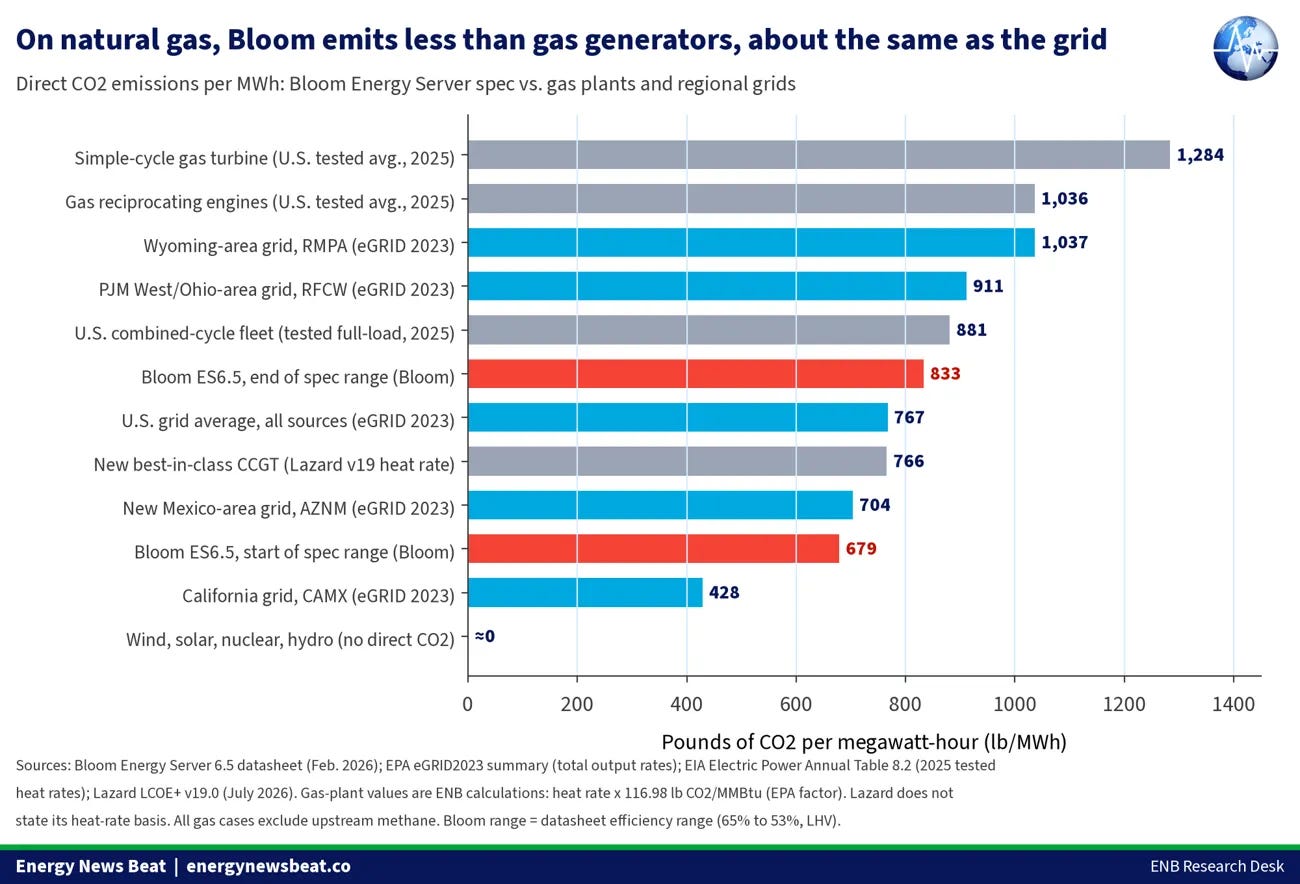
Bloom advertises as “Green” Energy, but the facts don’t show they are that green.
9. Energy Dominance & National Security
Main Stories for Today.
2.Could the DPA Reopen Benicia? The Legal Path Exists. Will Valero and California Play Along?
3.Spanberger Wants a Six-Year Rate Freeze. Her Merger Terms Push Clean Energy, Too
5.Saudi Aramco Evacuates HQ, How Is the Oil and LNG Shipping Going?
6.As Alberta Votes to Not Leave Canada, They Need to Understand Their Plight
7.Halliburton Beats Q3 Forecasts as Overseas Work Offsets a Softer U.S. Oil Patch
8.Citgo’s Profit Outlook Jumps $2 Billion While Diesel Drivers Pay $6.32
9.Valero Earns $6.8 Billion on a $72 Diesel Margin as Drivers Pay $6.31
We would also like to give our sponsors a shout-out.
Check out the World’s Greatest Podcast Show Notes at EnergyNewsBeat.co or EnergyNewsBeat.com, and the Energy News Beat Substack at:

At The Intersection of Energy and Finance – By Sandstone Group
A shout-out to Steve Reese and the Reese Energy Consulting group for sponsoring the Podcast https://reeseenergyconsulting.com/.
Data2 if you have any business systems, can you trust A? Well, they have the patent on validation. . https://data2.zoholandingpage.com/energy
And we have WellDatabase rolling, and we use their tools for the Energy News Beat weekly Rig Reports: https://welldatabase.com/
Also entering Sponsor Rey Trevino, Pecos Operating https://pecos.energy/