The Tale of Two SPRs and Different Uses: US and China Navigate the Iran War Supply Shock

In the most complex mix of geopolitical supply disruptions in modern history—over 100 days into the US-Iran conflict involving strikes, Hormuz transit risks, and broader Middle East tensions—the United States and China are effectively supplying a significant portion of global oil demand through their strategic and commercial reserves. They are doing so via sharply contrasting […]

Continue Reading

Aramco Shoring Up Their Balance Sheet Through Privatization Plan

Saudi Aramco, the world’s largest oil producer, is embarking on its most ambitious privatization and asset monetization drive in its 93-year history. The company aims to raise up to $35 billion by opening midstream, downstream, and non-core assets to Wall Street investors through sale-leaseback deals, minority stake sales, and infrastructure partnerships. This move is explicitly […]

Continue Reading

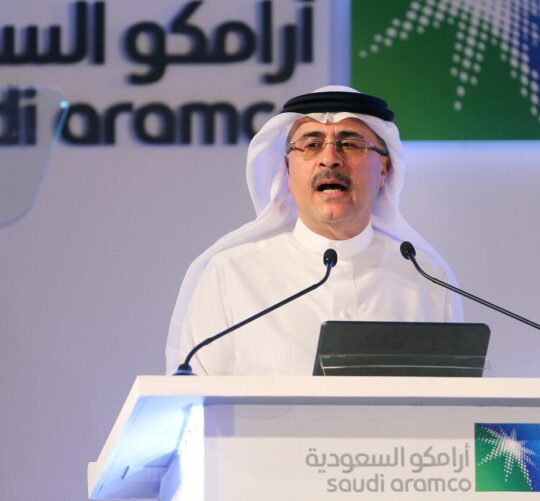
“Normalize” in the context of Aramco CEO Amin Nasser’s statement refers to the global oil/energy market fully rebalancing and stabilizing and not till 2027

This means restoring normal supply-demand equilibrium, rebuilding severely depleted global inventories, repositioning tankers and supply chains, restarting/rebalancing production flows, ending demand rationing/destruction, and removing the geopolitical risk premium that has driven price volatility and tightness. Nasser emphasized that simply reopening shipping routes (like the Strait of Hormuz) is not the same as market normalization, due […]

Continue Reading

Saudi Pipeline Hits 7 Million BPD Goal Bypassing the Strait of Hormuz

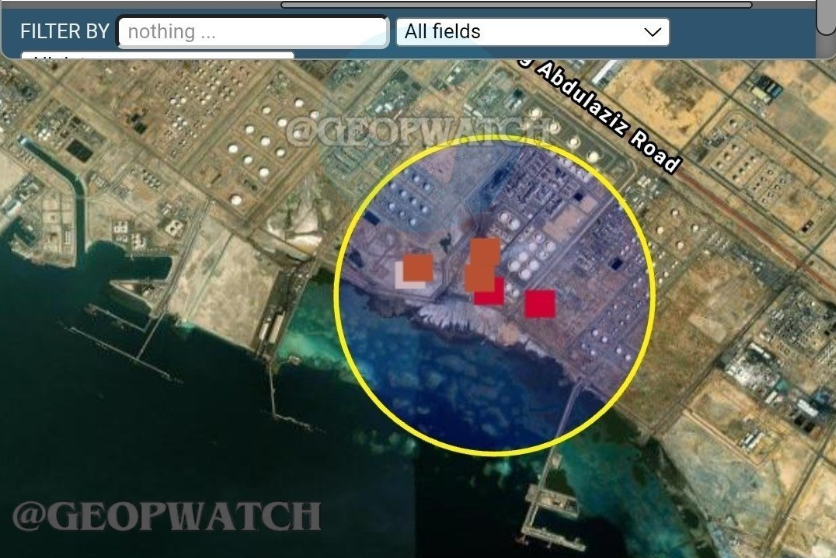
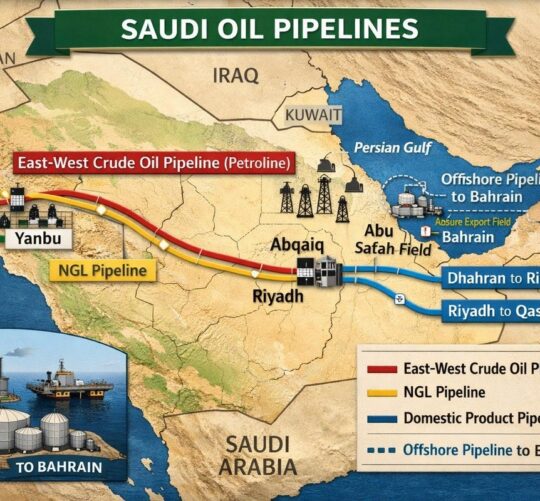
In a remarkable display of strategic foresight and engineering resilience, Saudi Arabia has ramped its East-West Pipeline—also known as the Petroline—to full capacity of 7 million barrels per day (bpd), fully bypassing the disrupted Strait of Hormuz. This milestone comes at a critical moment. The ongoing Iran conflict has effectively closed the Strait of Hormuz […]

Continue Reading