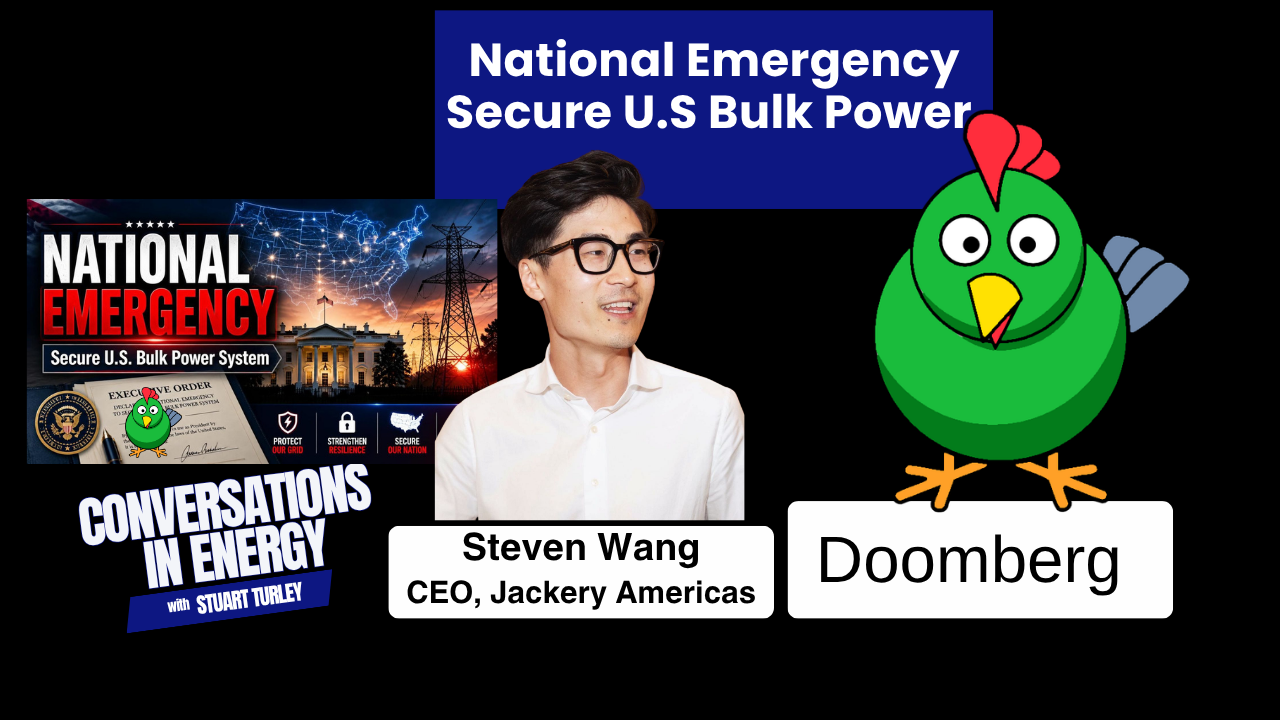
We have an action-packed podcast lined up with Doomberg and Steven Wang, CEO of Jackery Americas. We’ll cover the new executive order on the United States grid’s transformers, supply chain, and key components. Some of these components have years-long resupply times in a disaster, and many people could be without power for considerable periods. The administration recommends that people prepare with safety supplies, including short-term power supplies.
I have bought a lot of Jackery products and given setups with solar panels to all of my family members. During the fun podcast, I even said to Steven, You need a new slogan at Jackery. “If you love someone, give them a Jackery,” or Doomberg was probably thinking, “Friends ensure Friends use only Jackery for power pack-ups.”
Thank you to Doomberg and Steven for a fun, but important podcast. I’ll put together what I did right and what I did wrong to help our subscribers. Building a solar system is a lot more painful than going to Costco and buying a Jackery system that is guaranteed to work. The key is finding an affordable solution that meets your family’s needs during a power outage from a storm or other disaster.

Check out Jackery Products: https://www.jackery.com/
Check out Doomberg ‘s Substack: https://newsletter.doomberg.com/
Storms, and we have also seen 30 or more water companies attacked this year by cyber hackers. Being prepared is not just a Boy Scout motto; it is now a way of life. Many of our larger utilities are recommending that we get ready for any disaster.
1. Grid Reliability & Power Outages
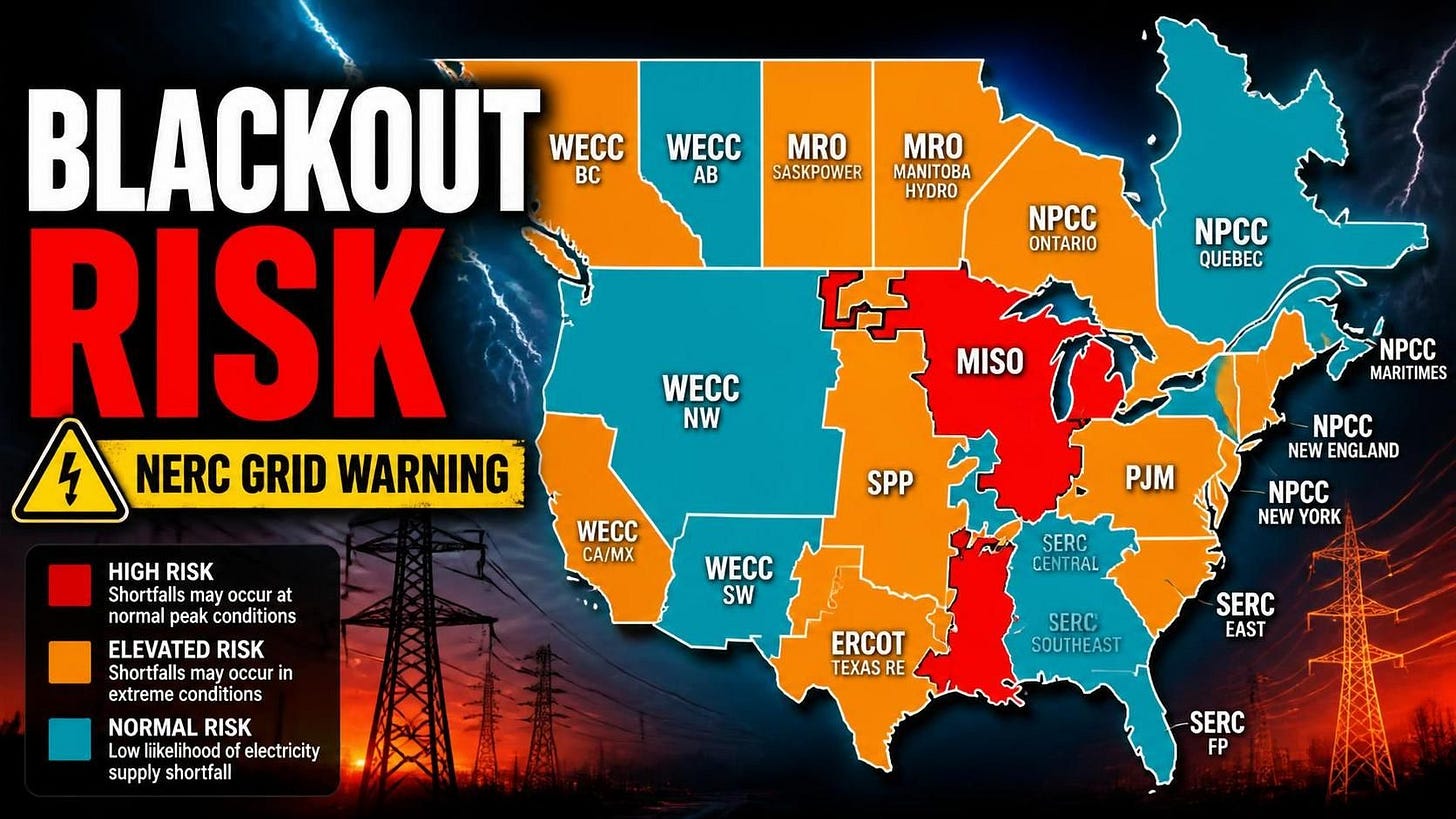
The hosts emphasize that the U.S. power grid is becoming increasingly unreliable, with warnings of potential rolling blackouts. A critical incident in July 2022 in Northern Virginia affected 3% of PJM’s peak load, and there are concerns about cyber attacks on utilities (Iran recently targeted 30 utilities). The grid is running with less margin for error than previously.
2. Exponential Demand Growth from Data Centers & AI
There’s a dramatic shift from decades of stagnant demand to explosive growth driven by data centers and AI infrastructure. This “lumpy demand” is straining the grid in unexpected ways, requiring new solutions beyond traditional grid expansion.
3. Distributed Energy Resources (DERs) & Home Battery Systems
The discussion centers on how residential battery systems (like Jackery) can serve dual purposes: personal emergency backup and grid support. Plug-in solar and battery systems are becoming more accessible, lowering barriers to entry for consumers and apartments.
4. Battery Technology & Supply Chain
Topics include:
Lithium iron phosphate (LiFePO4) as the current standard
Emerging sodium-ion batteries (safer, better cold performance, lower cost, but lower energy density)
Supply chain concentration and the need for cost reduction
Manufacturing localization in response to Trump’s executive orders
5. Trump’s Emergency Declaration & Manufacturing
The administration’s focus on onshoring transformer and inverter manufacturing to address critical shortages. There’s a 2-3 year wait for transformers and 5-year wait for large natural gas generators—creating vulnerability if major infrastructure fails.
6. Energy Independence & Personal Preparedness
Emphasis on individual preparedness through home battery systems, solar panels, and backup generators. The philosophy that grid reliability starts at home, with consumers taking agency over their own power supply.
7. Pricing & Grid Economics
Discussion about how current pricing structures favor wind and solar while penalizing natural gas and coal, without accounting for grid resiliency and storage costs. The need to shift from “Levelized Cost of Electricity” (LCOE) to metrics that value reliability.
8. Regional Differences: U.S. vs. EU Markets
European markets favor smaller, apartment-friendly systems (1-2 kWh), while U.S. demand is for larger capacity (3+ kWh) due to larger homes and greater energy needs.
At Energy News Beat, we make Appendices Great Again.
Related Stories and Appendix
2: Why are Americans’ utility bills going up? Doug Sheridan has some great points.
4: Edgeworks Revolution: Bringing AI Compute to Where Power Lives
5: New Jersey just made plug-in solar panels legal. No roof required.
6: White House Declares National Emergency to Secure the U.S. Bulk-Power System
At Energy News Beat, we make Appendices Great Again.
Check out the World’s Greatest Podcast Show Notes at EnergyNewsBeat.co or EnergyNewsBeat.com, and the Energy News Beat Substack at:

A shout-out to Steve Reese and the Reese Energy Consulting group for sponsoring the Podcast https://reeseenergyconsulting.com/.
Data2 if you have any business systems, can you trust A? Well, they have the patent on validation. . https://data2.zoholandingpage.com/energy
And we have WellDatabase rolling, and we use their tools for the Energy News Beat weekly Rig Reports: https://welldatabase.com/
Also entering Sponsor Rey Trevino, Pecos Operating https://pecos.energy/