

Exelon Corporation, America’s largest electric utility by customer count, is sounding the alarm. Its CEO, Calvin Butler, has warned that the United States could face blackouts as early as 2027. This comes amid surging electricity demand — driven heavily by AI data centers — and chronic underinvestment in new power generation and grid infrastructure.
At the same time, reports of Cuba acquiring hundreds of advanced military drones from Iran and Russia highlight broader risks to regional energy security, especially near key U.S. infrastructure in Florida. Combined with the ever-present threat of natural disasters like hurricanes, these developments mean Americans should prepare for potential power disruptions from multiple fronts.
Exelon CEO’s Stark Warning
In a June 2026 interview with the Financial Times, Exelon CEO Calvin Butler stated that Americans could “absolutely” lose power as soon as 2027 due to a shortage of power plants. He highlighted particular risks in the Northeast and Midwest.
Butler noted that the utility came “very close, this past winter, to having to curtail power for about 400,000 customers on some of the coldest days of the year.” The primary driver is explosive growth in electricity demand, especially from AI data centers, which is outpacing the addition of new generation capacity. Permitting delays, slow construction of new plants, and insufficient returns in competitive wholesale markets are exacerbating the problem.
Analysis from OilPrice.com adds critical context. In the PJM Interconnection region (which serves much of Exelon’s territory and about 67 million people), many states prohibit regulated utilities from owning generation assets to promote competition. This structure shifts financial risk to independent developers, who demand significantly higher returns. As a result, new capacity is not being built fast enough, creating potential shortfalls starting in summer 2027, according to PJM warnings.
Historical data show the industry has underinvested: from 2004 to 2024, real (inflation-adjusted) rate base growth was only about 1.2% annually despite rising needs. Capital expenditures have increased but remain inadequate to replace aging plants and meet new demand.
Geopolitical and Natural Disaster Risks Add Urgency
Compounding the grid reliability challenge are external threats. An Axios report confirmed that Cuba has acquired over 300 military attack drones from Iran and Russia since 2023, primarily Iranian-designed Shahed-136 (Geran-2) one-way attack drones. These low-cost, long-range (up to 2,500 km), kamikaze-style drones carry 30–50 kg explosive payloads and have been discussed by Cuban officials in the context of potential targets including the U.S. naval base at Guantánamo Bay, vessels in the Straits of Florida, and Key West, Florida — just 90 miles from Havana.
While no public intelligence confirms plans to target civilian U.S. energy infrastructure, the proximity and capabilities raise legitimate concerns for regional energy security and critical infrastructure resilience. Cuba itself has suffered repeated nationwide blackouts in 2026 due to its own aging power plants and fuel issues.
Natural disasters remain the most frequent cause of widespread outages. Hurricanes, storms, and extreme weather routinely damage transmission lines and substations, as seen repeatedly along the Gulf Coast and Eastern Seaboard.
In this environment, discussions of hybrid threats — including potential adversarial actions by state or non-state actors — underscore the need for resilience against both predictable (weather) and less predictable disruptions.
High-voltage transmission infrastructure like this is vulnerable to both extreme weather and potential targeted disruptions.
How Americans Should Prepare
Preparation is essential and practical at the household level:
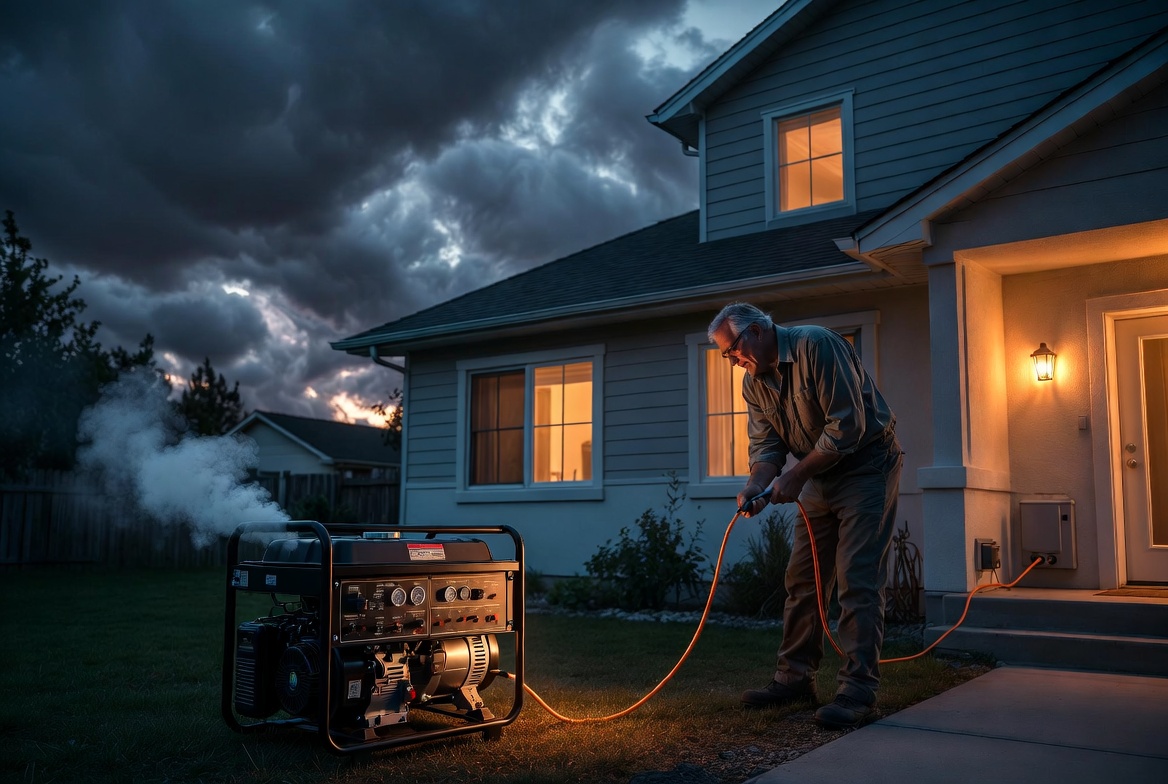
- Backup power: Invest in a portable or standby generator (with proper fuel storage and safety protocols) or, better yet, a home battery storage system paired with solar panels. These can power critical loads (refrigerator, lights, medical devices, communications) during outages lasting hours or days.
- Emergency supplies: Maintain a 72-hour (or longer) kit with water (1 gallon per person per day), non-perishable food, medications, flashlights, batteries, a hand-crank or solar radio, cash, and important documents.
- Home hardening: For hurricane-prone areas, secure windows, trim trees, and consider flood protection. Install whole-house surge protection.
Information and community: Sign up for local utility and emergency alerts (e.g., via apps or text).
Know your community’s emergency plans and consider neighbors with special needs.
Longer-term resilience:
- Explore community microgrids or neighborhood generator-sharing arrangements where feasible.
- These steps protect against blackouts from grid strain, storms, or other causes.
- Home solar-plus-battery systems provide reliable backup power during grid outages from any cause.
- Examples of Shahed-136/Geran-2 style drones highlight the evolving asymmetric threats discussed in regional security analyses.
Implications for Investors
For investors in utilities like Exelon (EXC) and the broader energy sector:
- Positive drivers: Regulators are likely to approve higher rates and accelerated capital spending on transmission, distribution, and new generation to close the reliability gap. This supports rate base growth and earnings.
- Market reforms: Watch for policy shifts allowing more utility-owned generation in competitive regions like PJM, or incentives for dispatchable resources (natural gas, nuclear, or long-duration storage).
- Opportunities: Energy storage, grid modernization technologies, and resilient infrastructure projects stand to benefit. Nuclear restarts or new builds could gain momentum.
- Risks: Prolonged blackouts could trigger regulatory penalties, customer backlash, or political pressure. Geopolitical escalation in the Caribbean could affect insurance costs or supply chains.
Overall, the sector faces a multi-year investment supercycle, but success depends on timely regulatory and permitting reforms.
Implications for Consumers
Consumers should expect higher electricity bills in the coming years as utilities recover costs for new infrastructure and grid hardening. Reliability may suffer in the short term if new capacity lags.
Personal preparedness is the best hedge — reducing the financial and lifestyle impact of outages. Households that invest in backup systems can maintain normalcy during disruptions that affect neighbors.
Advocating for faster permitting of new power plants, a balanced energy mix (including reliable baseload), and incentives for distributed energy resources (like rooftop solar + storage) can help shape long-term solutions.
The Path Forward
The convergence of aging infrastructure, explosive demand growth, natural disaster risks, and emerging geopolitical threats creates a perfect storm for energy reliability challenges. Exelon’s warning is not alarmist — it reflects data from grid operators and real near-misses.
Americans who prepare now — with backup power, supplies, and awareness — will be far better positioned, whether the next disruption comes from extreme weather, grid strain, or other factors.
Energy resilience is no longer optional; it is a national and personal priority.
- OilPrice.com: “America’s Biggest Utility Sees Blackouts Ahead” (July 13, 2026) — https://oilprice.com/Energy/Energy-General/Americas-Biggest-Utility-Sees-Blackouts-Ahead.html
- Energy News Beat: “Axios Confirms Cuba Has Acquired Over 300 Military Drones from Iran and Russia: Implications for Regional Energy Security” (July 13, 2026) — https://energynewsbeat.co/enb-publisher-picks/axios-confirms-cuba-has-acquired-over-300-military-drones-from-iran-and-russia-implications-for-regional-energy-security/
- Financial Times: “Utility boss warns US faces blackouts due to power supply shortfall” (Calvin Butler interview) — https://www.ft.com/content/14d2e591-7cd5-4456-904f-1b7fdc5cbc1a
- Axios (via ENB summary): Exclusive report on Cuba drones (May 2026)
- Additional reporting: Seeking Alpha, PJM Interconnection warnings, and related coverage on AI-driven demand and grid capacity shortfalls.
This article was prepared for the Energy News Beat Channel, synthesizing the latest developments for investors, consumers, and policymakers focused on U.S. energy security and resilience.