In May 2026, Axios reported on classified U.S. intelligence indicating that Cuba has acquired more than 300 military attack drones from Russia and Iran since 2023. The drones are stored at strategic locations across the island, with Cuban officials recently seeking additional units and equipment from Russia.
This development, amplified in recent social media discussions, raises questions about regional stability — particularly for energy infrastructure in the Caribbean and southern United States. While no public reports confirm specific plans targeting civilian energy grids, the proximity of these systems to Florida (just 90 miles from Key West) and their capabilities warrant attention for energy security preparedness.
The Drones and Their Capabilities
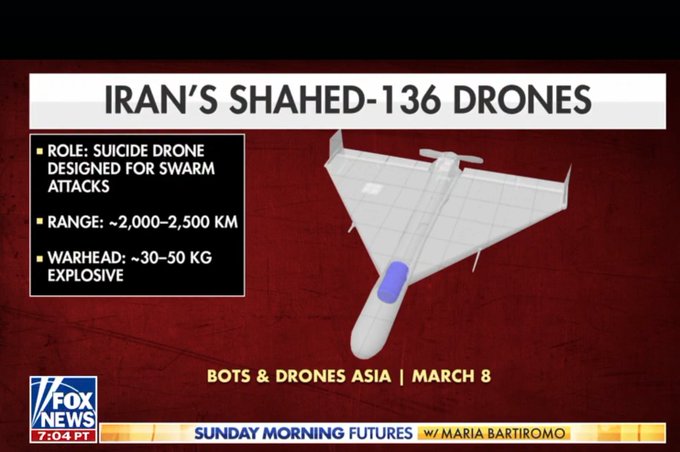
The acquisitions include attack drones of varying capabilities, prominently featuring Iranian-designed Shahed-136 (also known as Geran-2 in Russian service), one-way attack drones.
These low-cost, propeller-driven kamikaze drones are designed for long-range strikes:Range: Approximately 1,000–2,500 km, depending on configuration.
- Payload: 30–50 kg of explosives.
- Speed: Low and slow (~185 km/h cruise), optimized to evade radar.
- Guidance: Satellite navigation with inertial backup.
- Cost: Estimated $20,000–$50,000 per unit, making swarm attacks economically challenging to defend against.
Shahed-136 drones (images above) represent a low-cost, high-volume threat that has proven effective in other conflicts, such as those involving Iran and Russia.
Reported Targets and Strategic Context
- According to the Axios reporting, Cuban military officials have discussed the potential use of these drones against The U.S. naval base at Guantánamo Bay.
- U.S. military vessels operating in the Straits of Florida.
- Key West, Florida (approximately 90 miles / 145 km north of Havana).
Map illustrating the 90-mile proximity from Havana, Cuba, to Key West, Florida.U.S. officials have described this as a “growing threat” due to the technology’s proximity, Iranian military advisers reportedly present in Havana, and the experience gained by thousands of Cuban personnel who fought alongside Russian forces in Ukraine. Iran has provided drones and training support, while Russia has supplied equipment and battlefield lessons.
No official reports specifically mention plans to target civilian energy grids, power plants, or electrical infrastructure in the U.S. The discussed targets remain focused on military assets. However, any escalation involving drone swarms in the Florida Straits could indirectly affect regional energy flows, shipping lanes, and critical infrastructure resilience.
Cuba’s Own Energy Crisis: A Stark Contrast
Cuba is simultaneously grappling with a severe and ongoing energy crisis. The island has experienced multiple nationwide blackouts in 2026, driven by aging power plants, fuel shortages, and decades of underinvestment. Satellite imagery shows significantly reduced nighttime lighting across much of the country compared to previous years.
Satellite views of Cuba highlighting reduced electrical activity (bottom image from March 2026 compared to earlier periods).This internal fragility stands in contrast to the reported military buildup, highlighting resource allocation priorities amid economic pressures and U.S. sanctions.
Recommendations: Preparing for Potential Grid Interruptions
While there is no confirmed imminent threat to U.S. energy infrastructure from these developments, general preparedness for power disruptions is prudent — whether from hurricanes (common in Florida and the Caribbean), storms, equipment failures, or any hypothetical security scenarios. Energy resilience benefits everyone.
Practical steps for households and communities:
- Backup Power Solutions:
- Invest in portable or whole-home generators (ensure proper ventilation and fuel storage).
- Consider solar generators, battery systems (e.g., home battery storage paired with solar panels), or uninterruptible power supplies (UPS) for critical devices.
- Maintain fuel reserves safely and rotate stock.
- Emergency Supplies Kit: Non-perishable food and water (at least 3–7 days per person).
- Medications, first-aid supplies, flashlights, batteries, and a hand-crank or battery-powered radio.
- Cash, important documents, and charged power banks.
Home and Community Energy Resilience:
- Weatherproof your home and secure outdoor equipment ahead of storm season.
- Identify local cooling centers, shelters, and community resources.
- For businesses or critical facilities: Develop continuity plans, test backup systems regularly, and consider microgrids or redundant power sources where feasible.
Information and Communication Sign up for local emergency alerts (e.g., via apps or NOAA weather radio).
Stay informed through official sources rather than unverified social media.
These measures align with standard hurricane and grid-outage preparedness recommended by agencies like FEMA and are especially relevant for residents in Florida, the Gulf Coast, and Caribbean regions. Preparation for storms or other disruptions serves as a broad precaution.
Broader Context and Outlook
The Axios report and subsequent discussions underscore shifting dynamics in the Western Hemisphere involving Iran, Russia, and Cuba. U.S. officials, including CIA Director John Ratcliffe, have issued direct warnings, and additional sanctions have been discussed. Cuba maintains that it has the right to self-defense and denies aggressive intent.
For the energy sector, the key takeaway is the importance of resilience. Low-cost drone technology is changing modern warfare and asymmetric threats, but robust preparation — focused on energy independence at the household, community, and national levels — remains the most effective defense against disruptions of any kind.
Stay informed. Stay prepared.
Appendix: Sources and Links
- Primary Source: Axios exclusive report (May 17, 2026) — “Exclusive: U.S. eyes attack-drone threat from Cuba” by Marc Caputo.
https://www.axios.com/2026/05/17/us-military-drones-cuba - X Post by Tony Seruga summarizing the intelligence (July 12, 2026):
https://x.com/TonySeruga/status/2076310874219024562 - Additional reporting:
- Fox Business coverage on Cuba acquiring Iranian drones.
- The Hill: Jeb Bush raises alarm over Iranian drones in Cuba.
- Militarnyi and Foundation for Defense of Democracies analyses citing the Axios report.
- Reports on Cuba’s 2026 blackouts (e.g., NPR, New York Times interactive mapping).
All information in this article is drawn from publicly reported sources as of July 13, 2026. Developments in this area can evolve rapidly; readers should consult official government and verified news outlets for the latest updates.