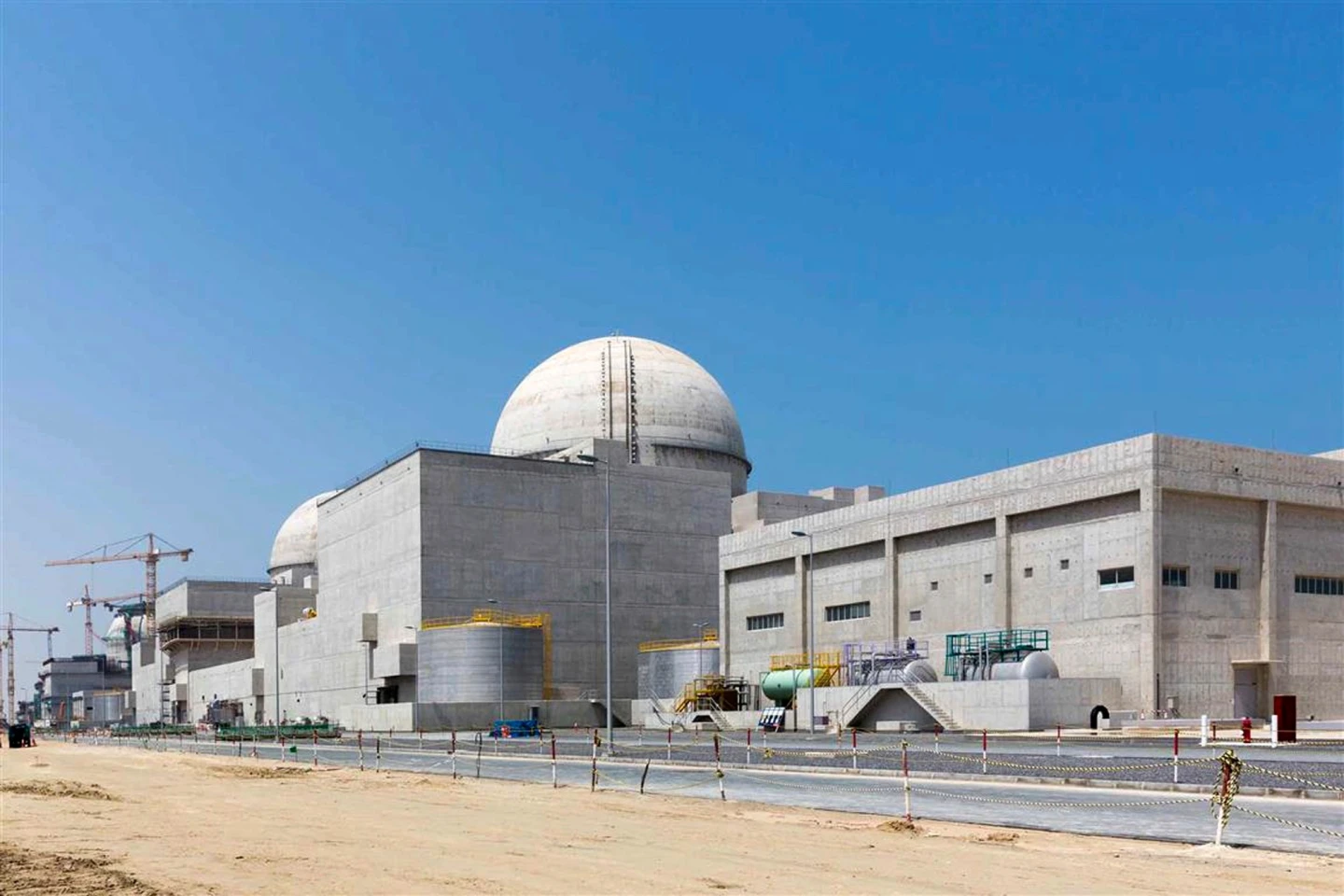
In a significant escalation of regional conflict, a drone strike targeted the Barakah Nuclear Power Plant in the UAE’s Al Dhafra region on May 17, 2026. The incident, which sparked a fire in an external electrical generator outside the plant’s inner perimeter, has raised immediate concerns about nuclear safety and energy infrastructure vulnerability in the Persian Gulf. UAE authorities have confirmed the strike but have not officially attributed it to Iran, though the attack occurs against a backdrop of Iranian threats against UAE energy and nuclear sites and ongoing hostilities since early 2026.
Credible Reports on the Incident
Multiple reputable outlets, including Reuters and the Associated Press, reported the event based on official UAE statements. The Abu Dhabi Media Office stated that authorities responded to a fire caused by a drone strike on an electrical generator outside the inner perimeter of the Barakah plant. No injuries were reported, and radiological safety levels remained unaffected.
The UAE’s Federal Authority for Nuclear Regulation (FANR) confirmed that the plant’s essential systems are operating normally and that all four units continue to function without interruption. The International Atomic Energy Agency (IAEA) was notified by the UAE that radiation levels at the site remain normal. The IAEA is monitoring the situation closely and remains in contact with UAE authorities, ready to provide assistance if needed.
Earlier context includes Iranian state-linked media threats against Barakah in March 2026, naming it among potential targets in response to U.S. actions near Kharg Island and the Strait of Hormuz. Prior incidents, such as the May 4, 2026, Iranian drone and missile attacks on UAE oil infrastructure in Fujairah, have heightened tensions. No group has immediately claimed responsibility for today’s strike, and UAE statements avoid direct blame.
Status of the Barakah Nuclear Power Plant
Barakah, the Arab world’s first and only operational nuclear power plant, consists of four South Korean-built reactors with a combined capacity of approximately 5,400 MW. It supplies roughly 25% of the UAE’s electricity. The plant entered full commercial operation in stages, with Unit 4 coming online in 2024. Today’s incident was limited to an external electrical generator and did not breach the inner perimeter or affect the reactors. Emergency diesel generators briefly supported Unit 3, but operations remain normal across all units. There is no evidence of any radiological release or safety compromise, according to FANR and the IAEA.
Status of Iran’s Oil Storage and Kharg Island Operations
Iran’s oil infrastructure is under severe strain due to the U.S. naval blockade of Iranian ports and shipping, implemented around April 13, 2026, in response to Iran’s closure of the Strait of Hormuz. Kharg Island, which handles about 90% of Iran’s crude exports, serves as the primary export hub with onshore storage capacity estimated at roughly 30-40 million barrels (part of Iran’s total onshore capacity of ~122 million barrels). With exports largely halted, crude has been diverted to onshore tanks and floating storage on tankers. Storage levels at Kharg rose sharply in April, reaching about 74% full by late April and continuing to build. Analysts from Kpler and others estimated Iran could exhaust available storage within 12-22 days if the blockade persisted without production cuts. Iran has already begun reducing output to manage the backlog.
Ongoing Leaks Around Kharg Island?
Satellite imagery from early May 2026 revealed a large oil slick (spanning dozens of square kilometers, with some estimates suggesting up to 80,000 barrels) west of Kharg Island. Independent analysis raised concerns about potential leaks from aging storage tanks, pipelines, or stranded tankers amid full capacity and infrastructure stress.
Iran’s Oil Terminals Company and Vice President Shina Ansari have strongly denied any leaks from Iranian facilities, pipelines, loading areas, or tankers. Official inspections, including by the regional Marine Emergency Mutual Aid Centre (MEMAC), reportedly found no evidence of leakage. Iran attributes the slick to ballast water discharged by a non-Iranian tanker. No new major leaks have been publicly confirmed since the initial reports around May 8-10, 2026, though analysts warn that prolonged storage overload heightens environmental risks in the Persian Gulf.
Iran’s Financial Ability to Survive Without Oil Exports
Oil and gas typically account for roughly half of Iran’s government revenue. Pre-blockade exports averaged 1.7-1.8 million barrels per day (bpd), generating significant hard currency. The blockade has slashed exports by over 80%, with cumulative losses estimated at $4.8 billion or more by early May. Daily revenue shortfalls exceed $100-170 million.
Iran can sustain current production levels for approximately 1-2 months (up to 3 months with modest cuts of ~500,000 bpd) using available onshore and floating storage before forced well shut-ins become necessary, according to consultancies like FGE NextantECA and Kpler. Revenue impact is somewhat delayed (3-4 months) due to payment lags on existing cargoes to buyers like China, but the broader economy is already feeling acute pressure: the rial has hit record lows, inflation is rising, layoffs are mounting, and fuel shortages have emerged. Iran has tapped sovereign wealth reserves (estimated around $40 billion) for essential imports and war-related needs.
While Iran’s “resistance economy” and alternative trade routes provide some buffer, analysts warn that prolonged blockade could lead to hyperinflation, deeper recession, and accelerated production cuts, forcing Tehran toward negotiations. The exact duration depends on reserve drawdowns, domestic refining, and any partial sanctions relief, but the strain is mounting rapidly.
This incident and the oil crisis underscore the interconnected risks to Gulf energy security. Energy News Beat will continue monitoring developments.
All information is drawn from credible, publicly available reports as of May 17, 2026. Key sources include:
- Reuters: Abu Dhabi drone strike at Barakah (May 17, 2026) – https://www.reuters.com/world/middle-east/abu-dhabi-says-drone-strike-caused-fire-barakah-nuclear-power-plant-no-injuries-2026-05-17/
- Associated Press: Drone strike outside Barakah plant – https://apnews.com/article/iran-us-uae-nuclear-drones-71e7e58f45193b7dee3df28740532a7b
- Reuters: Iran denies Kharg Island oil leak (May 10, 2026) – https://www.reuters.com/business/energy/iran-denies-reports-oil-leak-near-kharg-island-export-hub-2026-05-10/
- New York Times: Oil slick near Kharg Island (May 8, 2026) – https://www.nytimes.com/2026/05/08/climate/iran-kharg-oil-spill-hormuz.html
- Reuters: Iran can sustain 2 months without exports (April 15, 2026) – https://www.reuters.com/business/energy/iran-can-go-up-two-months-without-oil-exports-before-cutting-output-analysts-say-2026-04-15/
- Al Jazeera and other reports on blockade economic impact, currency, and storage (various April-May 2026 dates).
- Additional context from Kpler analyses, FANR statements, and IAEA updates.
Energy News Beat – Independent energy sector reporting. Sources verified for accuracy at time of publication.