

A fresh wave of progressive Democrats, including self-described democratic socialists, is poised to reshape the Democratic Party’s approach to climate and energy policy. Fresh off primary victories that unseated moderate incumbents in safe blue districts, these lawmakers aim to revive and expand the Green New Deal (GND) to address the explosive energy demands of artificial intelligence and data centers.
According to reporting from E&E News by POLITICO, these “insurgent” candidates—backed by groups like the Sunrise Movement—view the original 2019 GND resolution (sponsored by Rep. Alexandria Ocasio-Cortez and Sen. Ed Markey) as merely “a floor now, not a ceiling.” They seek to integrate AI-related challenges, including massive electricity consumption by data centers, into a broader climate and economic agenda.
Key Proposals from the New Progressives
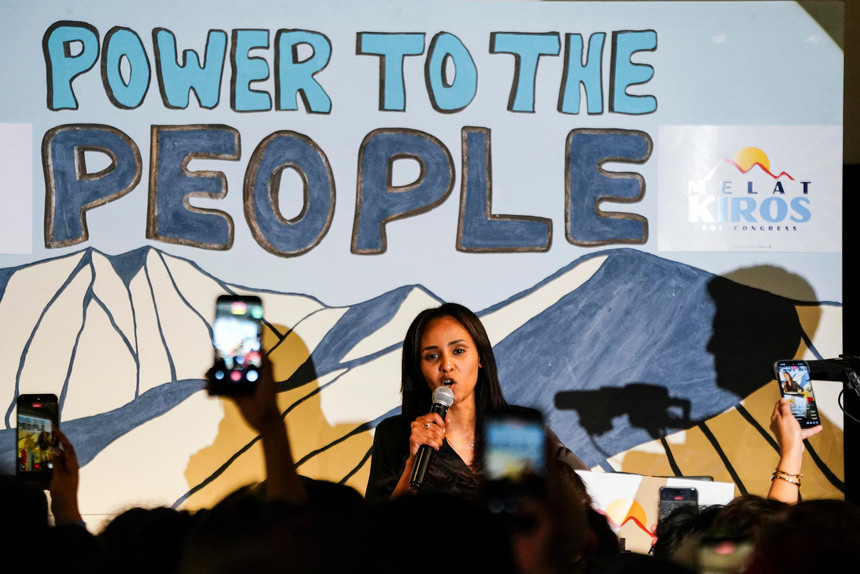
Prominent among the newcomers is Melat Kiros, a 29-year-old attorney and democratic socialist who defeated longtime Rep. Diana DeGette in Colorado’s 1st District primary. Kiros has explicitly linked AI to climate policy, stating: “The missing component of AI, and how that all factors into all of our legislation, specifically when it comes to the climate, that we need to be focused on.” She added that the connection between AI and climate “is going to propel us toward being able to pass some really meaningful climate legislation.”
Other progressive victors include Brad Lander (New York), Darializa Avila Chevalier (New York), and Adam Hamawy (New Jersey). Many support a federal moratorium on new AI data center construction until stronger labor, environmental, and community safeguards are in place.
The Sunrise Movement, a key GND champion, frames data centers and AI job displacement as new frontiers the GND must tackle, alongside its traditional calls for a green jobs guarantee and decarbonization. As one spokesperson noted, these issues “were not present when the Green New Deal was first launched.”
Democratic Socialist of America (DSA) influence is evident: Kiros is openly backed by the DSA and Sen. Bernie Sanders, and DSA chapters have advocated socialist alternatives to data center development, including public ownership, rejection of corporate models, and mandates for 100% renewable energy with community benefits agreements.
How This Complicates Net Zero Policies and Raises Consumer Costs
While proponents present these ideas as forward-looking climate action, they risk complicating realistic pathways to Net Zero emissions while driving up costs for everyday Americans.
AI data centers represent one of the fastest-growing sources of electricity demand. Projections show hyperscale facilities could consume power equivalent to millions of homes, with national cumulative electricity costs from data centers potentially exceeding $500 billion by 2035 and approaching $1 trillion by 2050 under various scenarios.
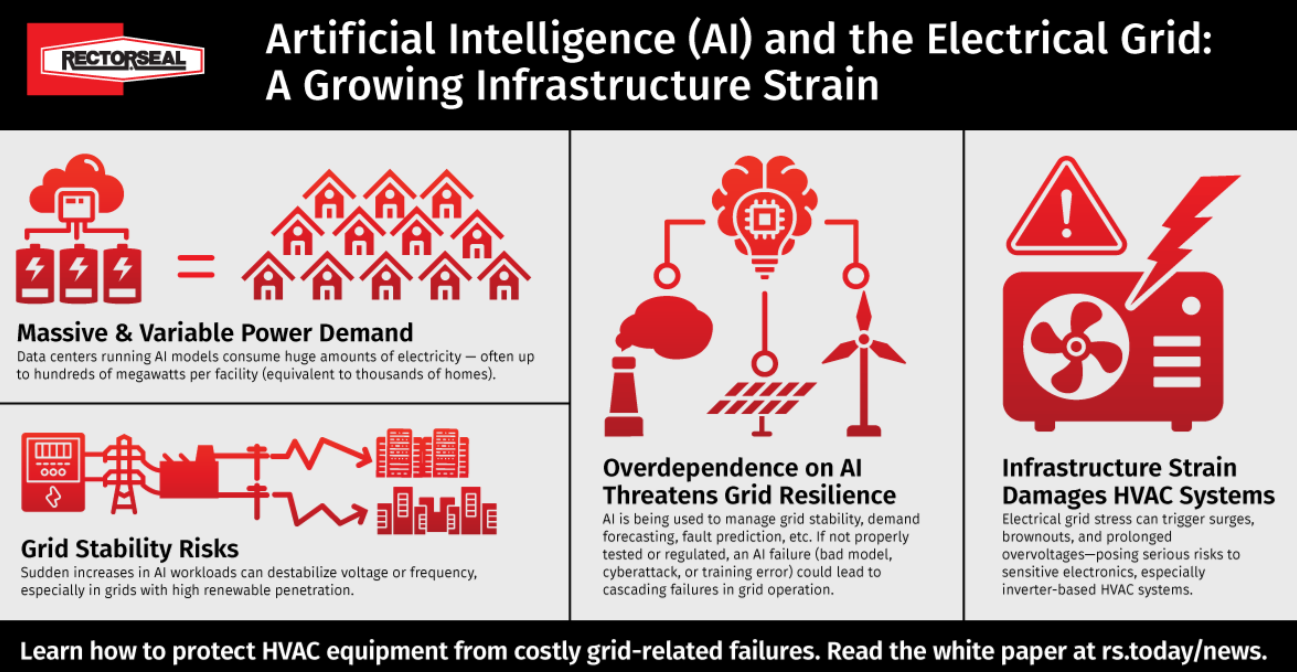
Progressives’ preferred tools—renewables-only mandates, data center moratoria, and resistance to “extractive capitalism”—clash with the need for reliable, dispatchable power. Data centers require constant, high-quality electricity; intermittent renewables often necessitate expensive backups, overbuilding, new transmission lines, and grid upgrades. These costs are frequently socialized onto ratepayers.
Evidence of rising bills is already mounting:
Utilities requested more than $29 billion in rate increases in the first half of 2025 alone—double the prior year’s requests—partly to accommodate surging demand.
In data-center-heavy regions like Virginia, electricity prices have spiked dramatically.
Studies project that data center and crypto mining growth could raise average U.S. electricity generation costs by 8% nationally (and up to 25% in some markets) by 2030, alongside higher emissions if not managed carefully.
Specific utilities (e.g., Dominion) have warned of residential bills potentially doubling in the coming years due to infrastructure needs.
Socialist-leaning approaches add another layer of complication. Calls for public ownership of digital infrastructure or strict corporate welfare rejection often translate into higher taxes, subsidies, or regulatory burdens that ultimately flow to consumers and slow deployment of the very clean firm power (advanced nuclear, efficient natural gas with carbon capture where viable) needed to meet AI-driven demand without blackouts or skyrocketing rates.
Net Zero targets already face headwinds from intermittency and transmission bottlenecks. Layering on GND-style expansions, moratoria, and anti-corporate restrictions risks prioritizing ideology over engineering and economics—potentially delaying emissions reductions while making energy less affordable and reliable.
Voters: Not All Energy Policies Are Created Equal
As new progressive and socialist-leaning voices gain influence in the Democratic Party, the stakes for energy policy could not be higher. AI is transforming the economy, but powering it affordably and cleanly requires pragmatic, all-of-the-above strategies—not recycled 2019 frameworks stretched to fit 2026 realities.
Consumers are already feeling the pinch through higher utility bills. Policies that block needed infrastructure, mandate uneconomic renewables without adequate firm backup, or impose heavy regulatory overlays will likely amplify those costs while slowing technological progress.
Be careful who you vote for. Energy abundance, grid reliability, and consumer affordability are not automatic outcomes of “green” branding. Different approaches produce vastly different results for households and businesses. Pragmatic policies that embrace innovation across nuclear, natural gas, renewables, and demand-side solutions tend to deliver lower costs and faster decarbonization than ideologically rigid ones.
The coming Congress will test whether Democrats double down on an expanded GND vision or pivot toward realistic energy abundance. The difference will show up directly in Americans’ monthly bills and the nation’s competitive edge in the AI era.
- Primary Article: Timothy Cama, “Progressives look to revamp the Green New Deal for the AI era,” E&E News by POLITICO, July 10, 2026. https://www.eenews.net/articles/progressives-look-to-revamp-the-green-new-deal-for-the-ai-era/
eenews.net
- Kiros Profile: “Who Is Melat Kiros, the Democratic Socialist Who Won Colorado’s Primary?” Time, June 30, 2026. https://time.com/article/2026/06/30/melat-kiros-democratic-socialist-colorado-congressional-race/
- DSA and Data Centers: “The Cloud is Material: The Threats and Costs of Data Centers,” Washington Socialist (DSA), Jan. 22, 2026. https://washingtonsocialist.mdcdsa.org/ws-articles/26-01-md-data-centers
- Data Center Cost Impacts:
- Union of Concerned Scientists blog on data center electricity costs (Jan. 2026).
- EESI: “Data Center Power Demands Are Contributing to Higher Energy Bills” (Feb. 2026).
- Carnegie Mellon University Open Energy Outlook: Data center growth impacts on costs and emissions (2026 projections).
- Additional Context: Various reports on utility rate requests, Dominion Energy projections, and Consumer Reports coverage of AI data center bill impacts (2025–2026).
All information drawn from publicly available reporting as of July 2026. Energy News Beat Channel encourages readers to review primary sources and evaluate policies based on real-world outcomes for affordability and reliability.
