ExxonMobil Signals Soaring Refining Earnings as Downstream Boom Offsets Upstream Pressure

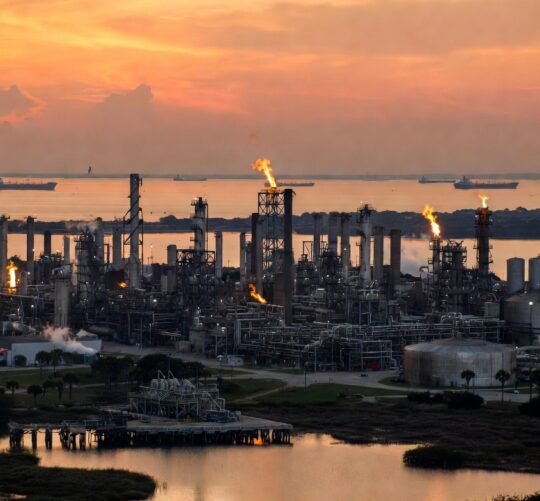
ExxonMobil’s preliminary third-quarter update has put refining front and center for investors. Higher refining margins are expected to add roughly $4.5 billion to downstream earnings compared with the second quarter—on top of the $4.1 billion the company already generated from refining in Q2. That surge comes even as upstream earnings face an estimated $1.3 billion […]

Continue Reading
Hormuz Crisis Is Rewriting the Global LPG Trade

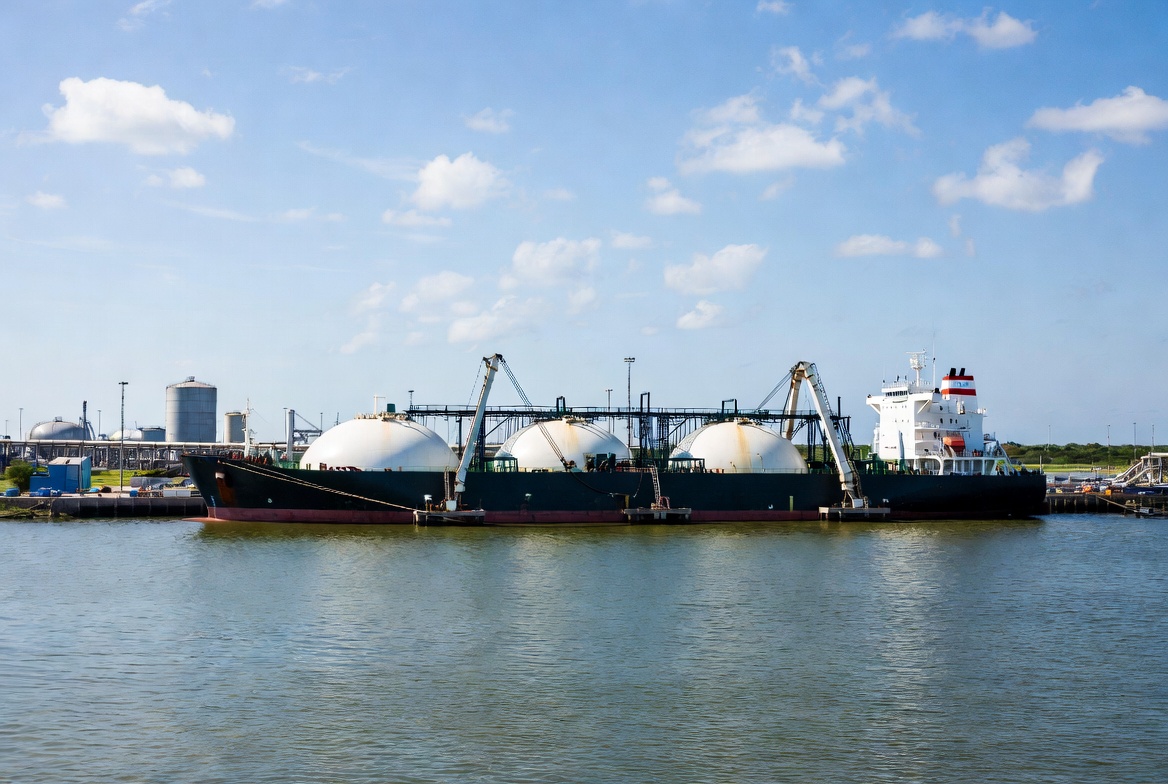
The effective closure of the Strait of Hormuz amid the 2026 Iran-related conflict has fundamentally altered global liquefied petroleum gas (LPG) trade flows. Middle Eastern exports from Saudi Arabia, the UAE, Qatar, and Iran slowed sharply as tanker traffic collapsed and infrastructure faced risks or attacks. Before the escalation, roughly 54 oil, chemical, and LPG […]

Continue Reading

Phillips 66 CEO Mark Lashier warned of greater refining and petrochemical earnings volatility from Hormuz disruptions

Phillips 66 Chairman and CEO Mark Lashier issued a clear warning on June 24, 2026, at the Reuters Global Energy Forum in New York: refining and petrochemical earnings face greater volatility due to ongoing uncertainty from disruptions in the Strait of Hormuz. Lashier highlighted how uncertainty in crude supply and shipping lanes causes refining margins […]

Continue Reading

US Crude Refiners Are Pushing Run Rates to Maximum Levels: Safety Concerns, Maintenance Trade-offs, Export Boom, and Investor Implications

US refiners are operating plants at elevated run rates, with some delaying scheduled maintenance amid strong refining margins and steady-to-robust fuel demand. According to a Bloomberg report from June 1, 2026, the industry saw one of its lightest maintenance seasons in recent memory, with an average of only 470,000 barrels per day (bpd) of processing […]

Continue Reading

California Extends Its Key Climate Programs, Condemning the State to High Energy Prices

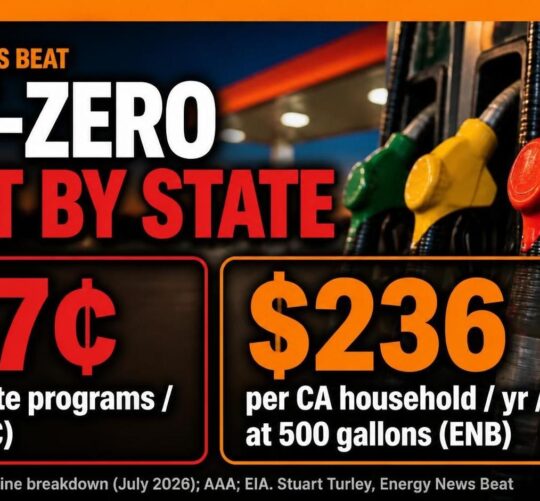
On Friday, May 29, 2026, the California Air Resources Board (CARB) approved sweeping updates to the state’s Cap-and-Invest program (formerly Cap-and-Trade), extending California’s signature climate initiative through 2045. State regulators framed the changes as a balanced move to meet aggressive greenhouse gas reduction targets while supporting affordability and preventing industry “leakage”—the exodus of major polluters […]

Continue Reading