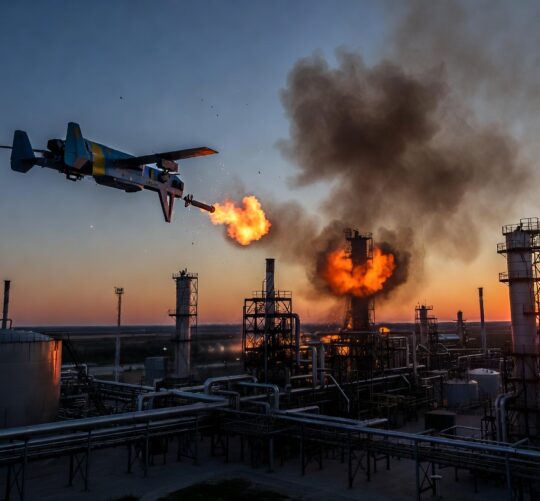
Ukraine’s New Refinery Tactic Is Fueling Russia’s Gasoline Crisis

Ukraine has shifted from broadly targeting refineries to striking specialized secondary processing units such as hydrocrackers, which are more difficult and time-consuming to replace. Repeated attacks on the same facilities are extending outages and reducing Russia’s ability to restore refining capacity quickly. Fuel shortages, export restrictions, and declining diesel output suggest a growing strain on […]

Continue Reading

The Iran War Is Pushing the Global Gas Trade Into the Shadows. – Energy News Beat Analysis

The global LNG market, once prized for its transparency and reliability, is rapidly adopting the opaque tactics of the shadow oil trade. As the Iran conflict—sparked by U.S. and Israeli strikes in late February—continues to throttle flows through the Strait of Hormuz, major Gulf producers like Qatar and the UAE are turning off AIS transponders […]

Continue Reading

The Energy Shock Is Not Yet Here, and the Energy Transition Did Not Lessen the Dependency on Oil, Gas and Coal

The world is once again staring down the barrel of an energy crisis. With the Strait of Hormuz effectively closed amid escalating tensions from the Iran conflict, global markets are in panic mode over potential disruptions to oil and liquefied natural gas (LNG) supplies. Prices are spiking, supply chains are under threat, and governments are […]

Continue Reading

European Gas Storage Approaching Critical: Can’t Survive 3 More Months of Hormuz Disruptions

Europe is entering the critical summer injection season with dangerously depleted natural gas storage, leaving the continent vulnerable to even moderate supply disruptions. A recent analysis from OilPrice.com highlights stark warnings from senior Equinor executives: if disruptions through the Strait of Hormuz persist for another 1–3 months, Europe risks a critical shortfall in gas stocks […]

Continue Reading

What is the Economic Impact for European Countries if the US Pulls Out of NATO?

The possibility of a full or partial US withdrawal from NATO has resurfaced in political debates, particularly amid shifting US priorities and rhetoric about burden-sharing. The United States provides the backbone of NATO’s conventional capabilities, command structures, intelligence, strategic enablers (air refueling, lift, ISR), and a significant portion of high-end equipment and munitions. A complete […]

Continue Reading