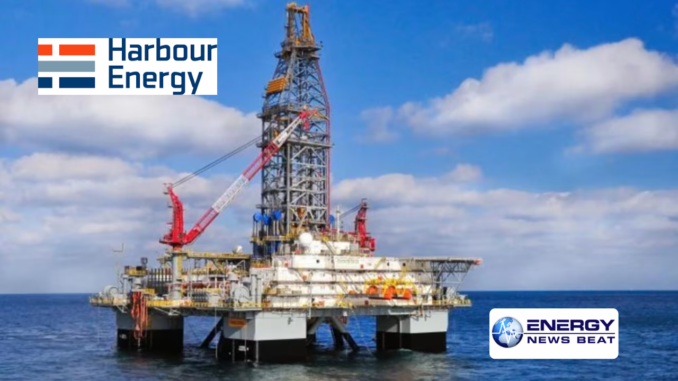
In a bold move that underscores the shifting dynamics of the global energy landscape, UK-based Harbour Energy has announced its acquisition of LLOG Exploration Company LLC for $3.2 billion, marking its entry into the deepwater U.S. Gulf of Mexico.
This deal, comprising $2.7 billion in cash and $500 million in Harbour’s voting ordinary shares, is set to close by the end of the first quarter of 2026.
The acquisition brings aboard an oil-weighted portfolio producing around 34,000 barrels of oil equivalent per day (boepd), with low breakeven costs, operating expenses of just $12 per boe, and a favorable blended tax rate of about 23%.
For Harbour, this isn’t just about adding reserves—it’s about establishing a new core business unit in a region boasting a “supportive fiscal and regulatory environment” under the current U.S. administration, which has been notably friendly to oil and gas development.
Harbour’s leadership has been clear on the strategic rationale: the deal enhances the company’s global portfolio, extends reserve life, improves margins, and boosts operational control.
With existing operations in Norway, the UK, Argentina, and Mexico—bolstered by its transformative $11.2 billion acquisition of Wintershall Dea’s upstream assets in 2024—this latest move pushes Harbour’s production toward 500,000 boepd by the end of the decade.
But beneath the corporate speak lies a deeper story: is this Harbour’s way of hedging against the UK’s increasingly hostile regulatory climate?
The UK’s Regulatory Squeeze: Net Zero and Windfall Taxes Driving Exodus
The UK’s energy sector has been under siege from policies aimed at achieving Net Zero emissions by 2050, coupled with punitive windfall taxes that have sapped investment and accelerated the decline in the North Sea.
Introduced in 2022 amid soaring energy prices from Russia’s invasion of Ukraine, the Energy Profits Levy (EPL)—commonly known as the windfall tax—has been extended and hiked multiple times, reaching rates that effectively tax profits at up to 75%.
Critics argue this has shattered investor confidence, leading to slashed capital expenditures and a faster-than-expected drop in production.
Data from the Office for National Statistics shows North Sea profits dipping into negative territory, with up to £50 billion in potential investments at risk if the tax persists.
Net Zero mandates exacerbate the issue, imposing stringent emissions targets and transition requirements that have led to asset impairments, write-downs, and concerns over long-term viability for oil and gas firms.
The result? A wave of companies is diversifying or outright fleeing the UK. Shell, for instance, has shifted its focus to U.S. operations and even considered delisting from the London Stock Exchange, citing unfavorable tax and regulatory conditions.
BP has similarly ramped up investments abroad while cutting North Sea spending. Harbour itself, once heavily tied to the UK North Sea, began its pivot with the Wintershall deal, which diluted its UK exposure from over 90% to around 30%.
This LLOG acquisition feels like a continuation—seeking refuge in the U.S., where federal policies under the pro-energy administration offer lower taxes, fewer restrictions, and incentives for exploration.
These policies aren’t just bureaucratic hurdles; they’re existential threats. The UK’s generous subsidies for renewables come at the expense of fossil fuels, but the math doesn’t add up—wind and solar intermittency still demand reliable baseload from oil and gas. Yet, by taxing profits into oblivion, the government is forcing companies to relocate to survive and deliver returns to stakeholders. As one industry report bluntly states, three years of windfall taxation have “destabilized the North Sea’s vital supply chain,” pushing operators to greener pastures—literally and figuratively.
What This Means for Investors: Opportunities Amid Uncertainty
For investors, Harbour’s U.S. expansion presents a mixed but largely positive bag. The deal is expected to be immediately accretive to earnings, cash flow, and reserves, building on the success of the Wintershall acquisition, which improved Harbour’s credit rating to investment-grade ‘BBB-‘ and transformed its financial profile.
With low-cost assets in the Gulf, Harbour anticipates stronger margins and a more resilient portfolio less vulnerable to UK-specific risks.
Post-announcement, shares surged 23% in early trading, reflecting market approval.
Harbour is signaling confidence with plans to shift to a payout ratio model in 2026, incorporating base dividends and share buybacks—potentially returning more capital to shareholders as production ramps up.
The company’s ongoing $215 million buyback program, initiated earlier this year, further bolsters investor appeal.
However, risks loom: integration challenges, commodity price volatility, and any shifts in U.S. policy could impact returns. Still, diversification reduces exposure to the UK’s fiscal instability, making Harbour a more attractive play for those betting on sustained global demand for oil.
|
Aspect
|
Implications for Investors
|
|---|---|
|
Production Growth
|
Adds 34,000 boepd, pushing toward 500,000 boepd by 2030; enhances long-term cash flow potential.
thetimes.com
|
|
Cost Efficiency
|
Low breakevens and $12/boe opex improve margins; favorable 23% tax rate vs. UK’s 75% EPL.
oilprice.com
|
|
Diversification
|
Reduces UK North Sea reliance; spreads risk across supportive regions like the U.S. Gulf.
harbourenergy.com
|
|
Shareholder Returns
|
Shift to payout ratio with dividends and buybacks; potential for higher yields as debt remains manageable.
investing.com
|
|
Risks
|
Regulatory changes in U.S., oil price dips; but overall, accretive to metrics like earnings per share.
harbourenergy.com
|
Will Harbour Energy Fully Move to the U.S.?
While Harbour hasn’t explicitly announced a headquarters relocation, this acquisition—coupled with its exploration of additional U.S. deals, including onshore assets—suggests a strategic tilt westward.
The company’s Aberdeen roots may persist for now, but with a new core unit in the Gulf and growing frustration over UK policies, a full move isn’t out of the question. As Harbour’s CEO has noted, the U.S. offers the stability needed for long-term growth.
If the UK’s windfall tax endures beyond its planned 2030 phase-out (or replacement with a less punitive mechanism), expect more companies like Harbour to vote with their feet.
In the end, Harbour’s Gulf entry isn’t just a business deal—it’s a symptom of flawed policies that prioritize ideology over energy security and economic reality. Stakeholders win when companies thrive, but Net Zero zealotry risks turning the UK into an energy has-been. Investors, take note: the smart money is heading stateside.
Sources: wsj.com, spglobal.com, harbourenergy.com, finance.yahoo.com, investing.com, industrialinfo.com