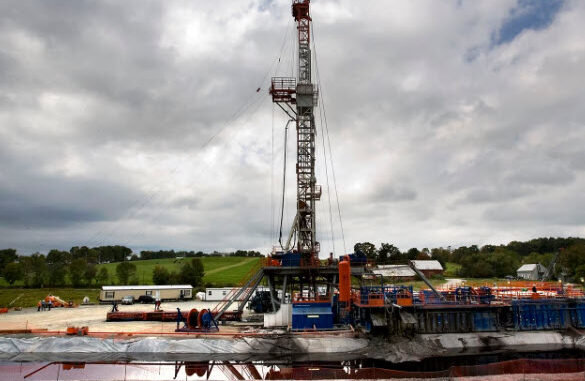
In a dramatic turn of events on January 26, 2026, natural gas futures prices surged dramatically, climbing as high as $6.83 per million British thermal units (MMBtu), marking a roughly 29% increase from the previous day and pushing levels to heights not seen since late 2022.
This volatility underscores the energy market’s sensitivity to weather patterns and supply dynamics, especially amid an ongoing Arctic blast gripping much of the United States. For consumers bracing against frigid temperatures and investors eyeing opportunities in commodities, this spike serves as a stark reminder of the sector’s unpredictability. In this article, we’ll break down the causes, immediate impacts, and longer-term outlooks for both the U.S. and Europe, helping you navigate what lies ahead.
Understanding the Spike: Weather-Driven Chaos
The catalyst for this price explosion is a massive winter storm system sweeping across the U.S., from the Midwest to the Northeast, dubbed the “Arctic Blast.” Freezing temperatures have driven heating demand to extreme levels, with utilities reporting record consumption for residential and commercial warming.
Simultaneously, production has taken a hit—freeze-offs in key basins like the Permian and Appalachia have curtailed output by an estimated 10-15% in affected areas, exacerbating supply shortages.
Short-covering by traders, who had bet against higher prices amid milder early winter forecasts, further amplified the rally, turning a seasonal uptick into a historic surge.
Over the past week, prices have climbed nearly 60% cumulatively, reflecting not just immediate weather impacts but also broader market tightness from faster-than-expected storage draws.
While the user noted 39.91% daily jump aligns closely with intraday volatility reported across exchanges, the overall movement highlights how quickly sentiment can shift in futures markets.
What This Means for U.S. Consumers: Brace for Higher Bills
For everyday consumers, this spike translates directly to pain at the pump—or rather, the thermostat. Residential heating costs, which account for about 40% of U.S. natural gas usage, are projected to rise by 10-20% in storm-affected regions over the next billing cycle.
Households in the Northeast and Midwest, where natural gas powers over 50% of homes, could see monthly bills jump by $50-100, depending on usage and local utility rates.
Industrial users, including manufacturers and power generators, face even steeper hikes, potentially passing costs onto goods and services, which could fuel localized inflation pressures.
However, relief might be on the horizon. Unlike prolonged shortages, this weather event is temporary; as temperatures normalize, demand should ease, pulling prices back. Consumers should monitor utility alerts for conservation tips and consider fixed-rate plans to hedge against future volatility. Long-term, the U.S. Energy Information Administration (EIA) forecasts stable supplies, with storage levels recovering by spring.
Opportunities and Risks for Investors
Investors have watched this rally with keen interest, as natural gas’s volatility can create lucrative short-term plays. Exchange-traded funds (ETFs) like the United States Natural Gas Fund (UNG) have seen inflows, while stocks in producers such as EQT Corporation and Antero Resources surged 5-10% in tandem with futures.
For those with a bullish outlook, options on futures contracts offer leveraged exposure, but beware—the market’s history of sharp reversals means stop-loss orders are essential.
On the flip side, this spike isn’t a signal of sustained highs. Analysts warn that once the storm passes, oversupply from record U.S. production could cap gains.
Diversification into midstream companies (pipelines and storage) or LNG exporters like Cheniere Energy provides more stable bets, as global demand grows. Investors should watch inventory reports from the EIA and weather models from NOAA for cues—any extension of cold snaps could push prices toward $7-8/MMBtu.
U.S. Natural Gas Market: On the Path to Recovery?
The U.S. natural gas sector is poised for a measured recovery in 2026, rebounding from the depressed prices of 2025 caused by mild weather and abundant shale output. The EIA projects Henry Hub spot prices to average $3.50/MMBtu this year, dipping slightly from recent highs before climbing to $4.60 in 2027 as demand from power generation and exports ramps up.
Associated gas from oil drilling in the Permian Basin will act as a “swing factor,” potentially adding 2-3 billion cubic feet per day (Bcf/d) to supply if crude prices remain firm.
Production is expected to hit new records at 109 Bcf/d, driven by efficiency gains and new infrastructure.
However, policy shifts under the current administration, including potential LNG export pauses, could introduce uncertainties. Overall, the market’s resilience—bolstered by storage at 3,256 Bcf as of early January—suggests a stable foundation, with weather remaining the wild card.
For recovery watchers, key metrics include export volumes to Asia and Europe, which could tighten domestic balances if global competition intensifies.
Europe’s Outlook: Higher LNG Prices Amid U.S. Disruptions?
Europe, heavily reliant on imported liquefied natural gas (LNG) since the 2022 energy crisis, faces ripple effects from the U.S. spike. The Arctic blast has temporarily curtailed U.S. LNG exports by disrupting Gulf Coast loading, pushing European TTF hub prices up to €39.88/MWh—a 40% monthly gain.
Analysts at Bernstein forecast spot LNG at $9/MMBtu average for 2026-2030, but short-term U.S. supply hiccups could drive premiums higher, especially if Russian pipeline flows remain curtailed.
Looking ahead, a global LNG supply surge—led by U.S. and Qatari expansions—could add 7% to volumes in 2026, potentially stabilizing or even lowering European prices to €30/MWh on average.
Imports are projected to rise by 20-22 million tons, aiding industrial recovery.
However, if U.S. weather events persist or geopolitical tensions flare, expect volatility. European consumers and industries should prioritize diversification, including renewables, to mitigate risks—cheaper gas could save the bloc €180 billion in energy costs, boosting competitiveness.
Final Thoughts: Key Indicators to Monitor
As the Energy News Beat audience knows, natural gas markets thrive on data and foresight. Consumers: Track local utility forecasts and consider energy audits to cut usage. Investors: Focus on futures volatility, storage injections, and export data for trading edges. For both, watch global LNG flows—the U.S.-EU interplay will define 2026’s trajectory.
This spike, while alarming, is a symptom of a market in flux, not crisis. With robust U.S. production and incoming global supplies, expect moderation ahead. Stay tuned to Energy News Beat for updates, and remember: in energy, preparation beats reaction every time.
Get your CEO on the podcast: https://sandstoneassetmgmt.com/media/
Is oil and gas right for your portfolio? https://sandstoneassetmgmt.com/invest-in-oil-and-gas/