In the high-stakes world of global oil, timing and persistence can make all the difference. While ExxonMobil and ConocoPhillips spent nearly two decades on the sidelines after Venezuela’s 2007 nationalizations, Chevron quietly maintained its foothold through joint ventures and U.S. licenses. Now, with major political shifts in Caracas and a clear push from the Trump administration to rebuild the country’s oil sector, the two former players are sending evaluation teams to assess opportunities—while Chevron is already expanding production and swapping assets to sharpen its position in the Orinoco Belt. Suddenly, Chevron looks like the smart one in the room.
Background: From Nationalization to a New Opening
Venezuela holds the world’s largest proven oil reserves, centered in the vast Orinoco Oil Belt—home to extra-heavy crude that requires specialized upgraders and infrastructure to turn into marketable oil. Before 2007, ExxonMobil and ConocoPhillips were major partners with state-owned PDVSA. Hugo Chávez’s nationalization drive forced both companies out, leading to prolonged arbitration battles. ConocoPhillips is owed roughly $12 billion (including interest), while ExxonMobil also holds significant claims.
Chevron, however, stayed the course. As the only major U.S. oil company with continuous operations in Venezuela (primarily through Petropiar and PetroIndependencia joint ventures in the Orinoco Belt), it has produced roughly 250,000–260,000 barrels per day—about one-quarter of Venezuela’s total output in recent years. Its U.S. Gulf Coast refineries are perfectly suited for processing the country’s heavy crude, giving it a natural logistical edge.
The Teams’ Trips This Week (and Last Month)The momentum accelerated after U.S. forces removed Nicolás Maduro in January 2026 and an interim government took over under Delcy Rodríguez. President Trump has repeatedly urged American energy firms to commit tens of billions—potentially $100 billion—to rebuild Venezuela’s crumbling infrastructure and ramp up output. ExxonMobil: In late March 2026, the company deployed a technical team to evaluate oil and gas resources, infrastructure, and investment potential. Upstream president Dan Ammann confirmed the on-the-ground assessment during CERAWeek, noting the need to understand the current state of facilities after years of underinvestment. Exxon has signaled openness to returning if the right commercial and security framework is in place.
ConocoPhillips: On April 9, 2026, the company announced it was sending a small evaluation team that week to assess oil and gas opportunities and prospects for a return to drilling. CEO Ryan Lance had earlier called Venezuela’s fiscal reforms “woefully inadequate” and stressed the need for a complete overhaul to make new investment viable. The trip is the company’s first major step back since 2007.
These visits are focused on the Orinoco Belt’s extra-heavy crude fields. Teams are likely examining: The condition of existing wells, pipelines, and upgraders (most of which are in poor shape).
Potential for new drilling, workovers, and redevelopment of legacy blocks.
Opportunities for joint ventures with PDVSA.
Requirements for massive capital spending on midstream infrastructure, environmental remediation, and local workforce training.
Rebuilding output to even 2–3 million barrels per day would require hundreds of billions over a decade or more—far from a quick win.
Chevron’s Strategic Moves
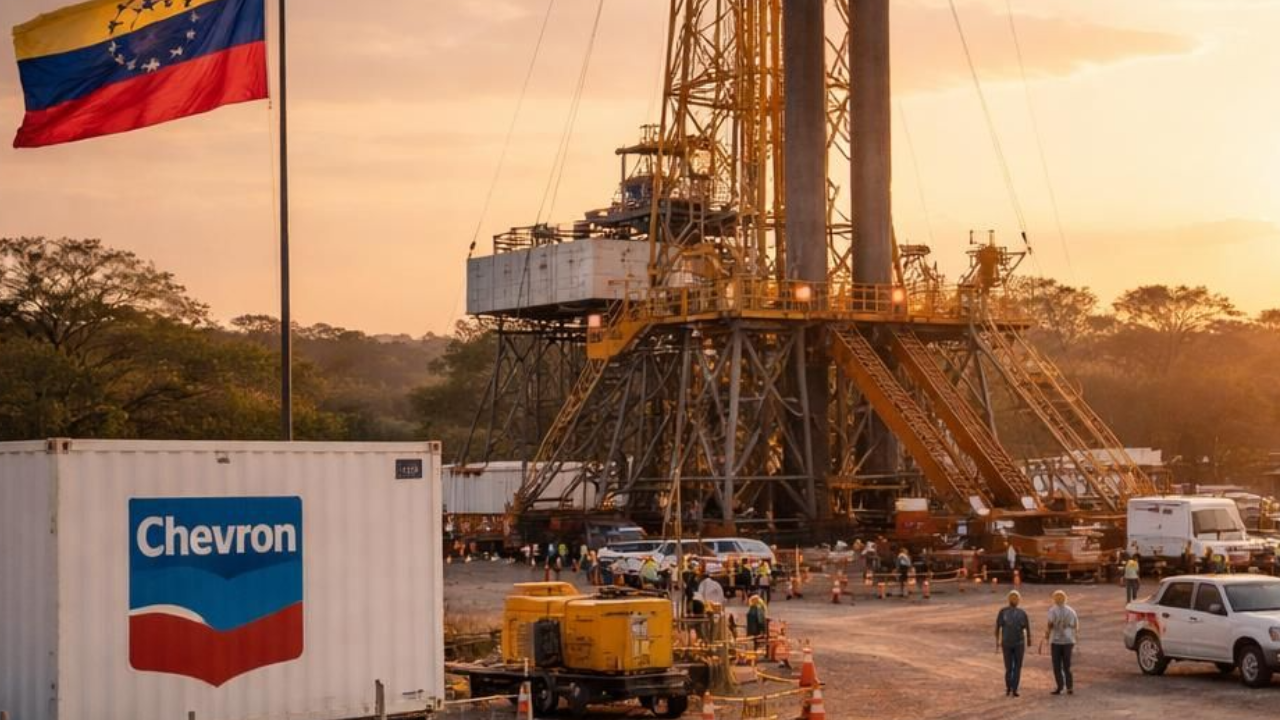
While the others evaluate, Chevron is already executing. On April 13, 2026, the company signed an asset swap with PDVSA in Caracas (witnessed by interim President Rodríguez). It increased its stake in key Orinoco projects and gained additional high-value heavy-crude acreage in the Ayacucho 8 block for its Petropiar operations. Chevron is targeting a roughly 50% production increase within its Venezuelan footprint over the next 18–24 months, subject to approvals.
What This Means for Investors
Chevron (CVX): Positioned for near-term upside with minimal new-entry risk. Its existing infrastructure, refining advantage, and recent asset swap position it to capture more barrels quickly. Venezuela has already been a profit driver in recent quarters. ExxonMobil (XOM) and ConocoPhillips (COP): Higher-risk, higher-reward. Success hinges on resolving arbitration claims, securing investor-friendly fiscal terms, and political stability. If deals materialize, both could add significant reserves and future production. However, the capital intensity of heavy-oil development and long-term energy transition risks remain headwinds. Overall, renewed U.S. major involvement could boost investor sentiment around these names and support higher global supply forecasts—potentially moderating oil prices over time.
What This Means for Consumers
More Venezuelan crude reaching global markets (especially the U.S. Gulf Coast) would increase supply diversity and help ease price pressures. Venezuela’s heavy oil is a natural feedstock for many U.S. refineries, supporting lower gasoline and diesel costs for American drivers. A stable, U.S.-friendly energy partnership in the Western Hemisphere also enhances long-term energy security. The coming months will reveal whether ExxonMobil and ConocoPhillips see enough upside to commit capital—or whether Chevron’s patient strategy continues to pay the biggest dividends. One thing is clear: after years in the wilderness, the majors are back at the table in Caracas.
All information is drawn from publicly available reporting as of May 1, 2026.
- Reuters – “ConocoPhillips visits Venezuela to evaluate oil opportunities” (April 9, 2026): https://www.reuters.com/business/energy/conocophillips-visits-venezuela-evaluate-oil-opportunities-2026-04-09/
- Bloomberg – “ConocoPhillips Sends Team to Venezuela to Evaluate Oil Prospects” (April 9, 2026): https://www.bloomberg.com/news/articles/2026-04-09/conocophillips-sends-team-to-venezuela-to-evaluate-oil-prospects
- Reuters – “Exxon says its team is in Venezuela evaluating oil opportunities” (March 25, 2026): https://www.reuters.com/business/energy/ceraweek-exxon-says-its-team-is-venezuela-evaluating-oil-opportunities-2026-03-25/
- Energy News Beat – “Chevron Strategic Asset Swap in Venezuela” (April 14–15, 2026 coverage): https://energynewsbeat.co/big-oil-companies/chevron-strategic-asset-swap-in-venezuela/
- Energy News Beat – “Chevron Beats Profit Estimates with Venezuela on a Roll”: https://energynewsbeat.co/top-news/chevron-beats-profit-estimates-with-venezuela-on-a-roll/
- Additional context from AP, CNBC, Forbes, and World Oil reporting on the January 2026 White House meetings and Trump administration policy (linked in search results above).
Energy News Beat will continue monitoring developments in Venezuela and their impact on U.S. energy producers and global markets. Stay tuned.