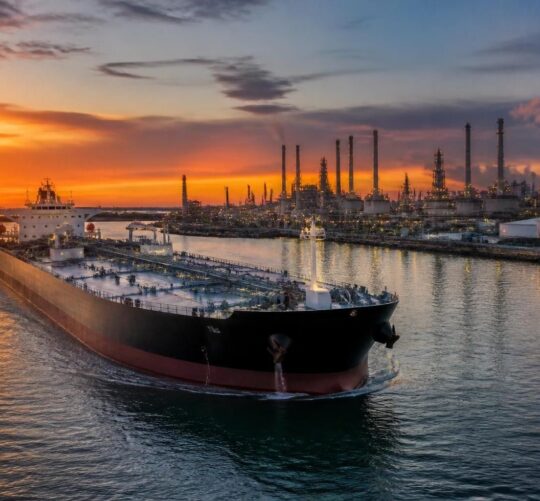
President Trump’s 2026 Jones Act waivers moved tens of millions of barrels of U.S. energy that the domestic fleet could not carry. Freight savings are real but modest on a national scale; the larger story is avoided shortages, reopened domestic routes, and a live stress test of a 1920 law that left the United States with too few ships.

On March 17, 2026, the Department of Homeland Security issued the longest and broadest Jones Act waiver since at least 1950, covering energy commodities and fertilizer inputs. The waiver was extended twice and now runs through November 15, 2026, with a narrower product list and voyage-by-voyage review after August 17. The Cato Institute’s Jones Act […]

Continue Reading

Iran-Linked Oil Tankers Seized by US Navy Now Headed to U.S. Coast

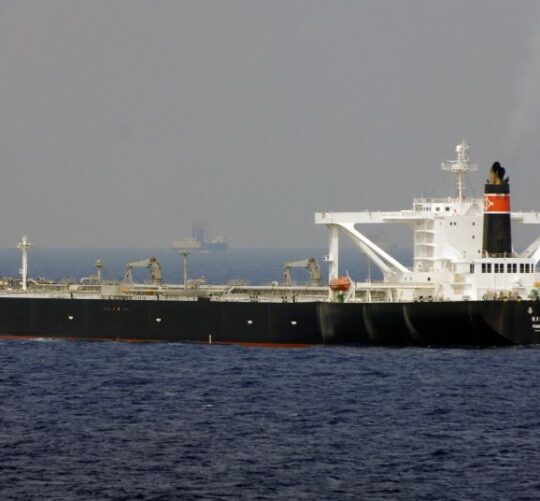
Three sanctioned tankers carrying nearly six million barrels of Iranian crude—valued at roughly $600 million—are crossing the Atlantic toward the United States, according to vessel-tracking data from TankerTrackers and Kpler. The ships, Majestic X, Tifani, and Lenore, were seized months ago in the Indian Ocean as part of a broader U.S. campaign against Iran’s sanctions-evading […]

Continue Reading

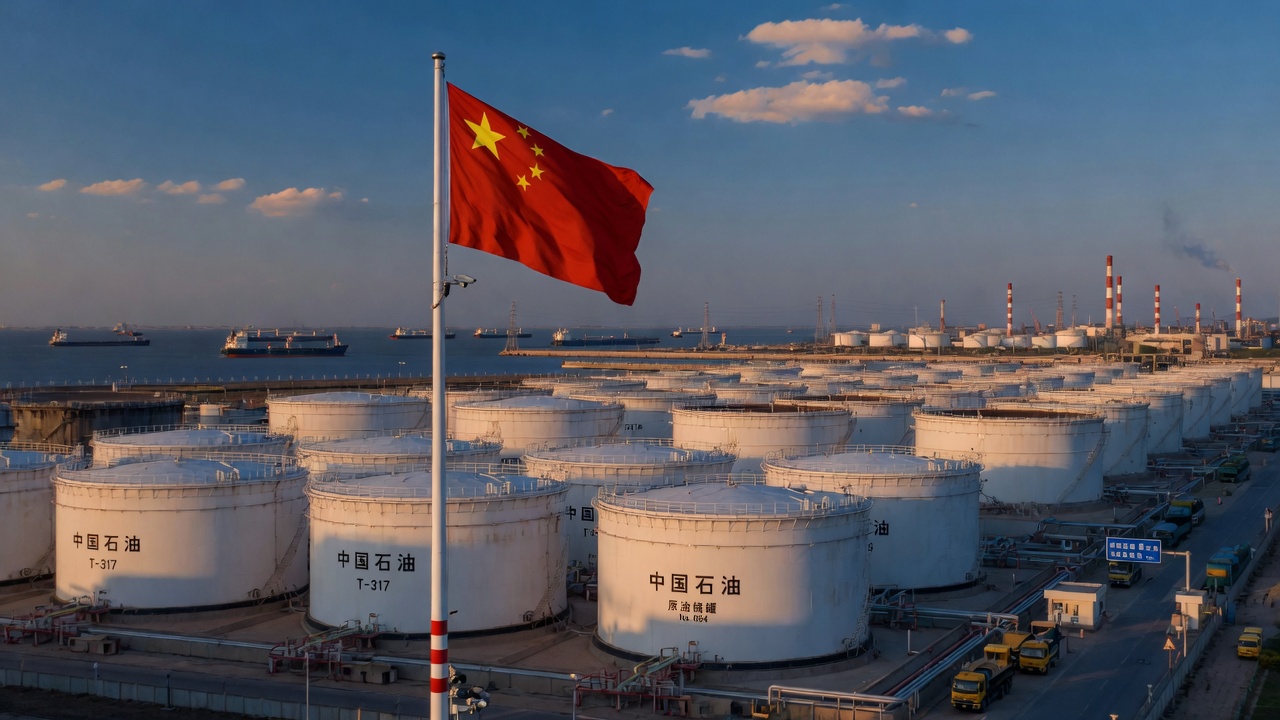
The real story is not that China is “back buying everything.” It is that Beijing throttled demand, shifted suppliers, drew inventories, and is now restocking only where landed cost still works — while $1 million-a-day VLCCs make a return to the old full-cycle buying pattern expensive and unlikely.

That is the argument Javier Blas is making in his September 23 Bloomberg Opinion column, China Isn’t Buying More Oil, It’s Buying From Different Markets (also framed as “Don’t Believe the Hype About China’s Oil Buying”). The global market treated China’s pre-war appetite as a floor. In 2026 it became a valve. The Blas thesis: […]

Continue Reading