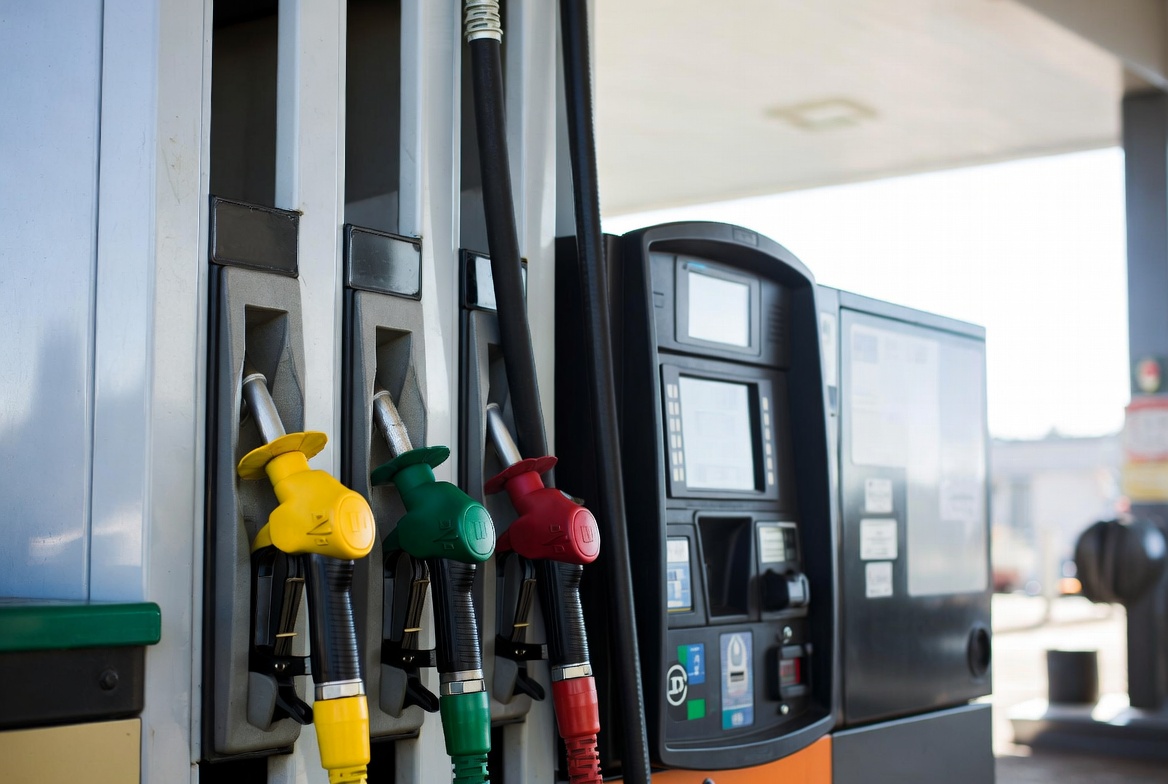
Six U.S. states are implementing fuel tax adjustments effective primarily on July 1, 2026, even as national gasoline prices hover around $4.08–$4.11 per gallon amid ongoing energy inflation pressures and geopolitical uncertainties in global oil markets. These changes—ranging from inflation-linked increases to restructuring and temporary suspensions—aim to sustain transportation infrastructure funding but come at a time when energy costs already weigh heavily on consumers in several affected states.
The adjustments reflect a mix of automatic inflation indexing, legislative reforms, and efforts to stabilize revenue as fuel consumption patterns evolve. While the per-gallon impacts appear modest, they add to already elevated baseline costs in high-tax and high-price states, potentially amplifying financial pressure on households and businesses.
Overview of Changes by State
Here are the specific adjustments:California: The gasoline excise tax rises from 61.2 cents to 63.4 cents per gallon under an annual inflation adjustment tied to the California Consumer Price Index (via SB 1). Diesel tax increases to 48.2 cents per gallon. California maintains the highest state fuel tax burden in the nation.
Illinois: A scheduled 1.3-cent inflation-linked increase is suspended for six months, keeping the motor fuel tax at 48.3 cents per gallon (instead of rising to 49.6 cents). A local motor fuel tax in Kane County rises from 5 to 8 cents per gallon. Combined state, federal, and local taxes often exceed 85 cents per gallon.
New Jersey: Adjustments to the variable Petroleum Products Gross Receipts Tax (PPGRT) occur to maintain revenue for the Transportation Trust Fund (targeting over $2.1 billion annually). Fixed motor fuels taxes remain low at 10.5 cents per gallon for gasoline and 13.5 cents for diesel. Combined state and federal taxes total roughly 63.3 cents per gallon.
Michigan: A prior restructuring (effective January 2026) replaced the 6% sales tax on gasoline with a flat motor fuel excise tax of 52.4 cents per gallon, resulting in a minor net increase of 1–2 cents per gallon overall. All pump-collected taxes now flow directly to the State of Michigan Fuel Tax fund for infrastructure.
Maryland: An automatic inflation-indexed adjustment (capped at 8% annually) raises the motor fuel tax by 0.6 cents to 46.6 cents per gallon for regular gasoline, linked to a 2.8% CPI increase. This supports the multimodal Transportation Trust Fund.
Mississippi: As part of a multi-year overhaul, the gas and diesel excise tax increases by 3 cents per gallon (from its long-standing 18-cent base). Further increments are planned through 2027, shifting later to inflation adjustments based on the National Highway Construction Cost Index. The changes aim to generate $200–212 million annually for roads and infrastructure.
These moves occur against a backdrop of U.S. consumer prices rising 4.2% year-over-year in May 2026 (highest in three years), with energy contributing significantly to the increase. Geopolitical tensions, including disruptions in the Strait of Hormuz, continue to exert upward pressure on crude oil and, by extension, refined fuel costs.
Impact on States with Already High Fuel Taxes
Among the six states, California and Illinois stand out with some of the highest state-level gasoline taxes in the country. According to Tax Foundation data (as of mid-2025, with structures largely consistent into 2026), California levies the highest at approximately 70.9 cents per gallon total state tax, followed closely by Illinois at 66.4 cents per gallon. Michigan’s restructured rate of 52.4 cents places it in the upper tier, while New Jersey’s combined effective rate and Maryland’s adjusted rate sit above the national average.
Mississippi starts from one of the lowest bases (previously 18 cents, unchanged since 1987) but is on a trajectory of steady increases.
The national average state gasoline tax and fees stand at approximately 33.3–33.5 cents per gallon (EIA data as of early 2026). States like California and Illinois thus carry burdens more than double the national average, making even small additional adjustments more noticeable in their overall cost structures.
How This Affects Consumers
The direct per-gallon increases are relatively small, but they compound with high baseline pump prices and broader energy inflation:
California (+2.2 cents/gallon): For an average driver consuming ~500–550 gallons annually, this adds roughly $11–12 per year. In a state where regular gasoline averages around $5.70–$5.83 per gallon (the highest in the U.S.), the hike reinforces California’s position as the most expensive place to fill up.
Illinois (no immediate state hike for six months): Provides temporary relief, though combined taxes remain very high and local increases apply in some areas. Average prices sit around $4.48/gallon.
Maryland (+0.6 cents): Minimal impact (~$3 annually for average use). Prices average around $3.93/gallon.
Mississippi (+3 cents): Adds about $15–16.50 annually for typical drivers. The state benefits from some of the lowest pump prices (~$3.72/gallon), so the relative burden starts lower but grows over the multi-year plan.
Michigan and New Jersey: Changes are either restructured or variable; impacts are modest but contribute to cumulative costs.
These tax components represent a fixed add-on to volatile wholesale and retail prices. With national averages near $4.10/gallon and energy inflation persisting, households in high-tax states face amplified effects on commuting, goods transportation, and the overall cost of living. Lower-income drivers and those in rural areas (higher mileage) feel the pinch more acutely. Businesses, particularly in logistics and agriculture, may pass on higher costs through elevated prices for goods and services.
Comparison to National Averages and Other Recent Raises
The U.S. federal excise tax remains fixed at 18.4 cents per gallon for gasoline and 24.4 cents for diesel (unchanged since 1993). Adding state averages yields a typical total tax burden of roughly 50–52 cents per gallon nationally.
Among the six states, most exceed this combined baseline significantly, especially California and Illinois. Other recent or ongoing raises (e.g., Washington state increases and various inflation adjustments elsewhere) follow similar patterns, but the July 1 wave highlights infrastructure funding priorities amid declining per-capita fuel consumption due to efficiency gains and EV adoption.
Gas prices themselves vary widely: California and Hawaii consistently top national charts, while Mississippi, Texas, and several Midwest states remain well below average.
Looking Ahead
These tax changes underscore the tension between maintaining road and transit funding and shielding consumers from rising energy costs. Temporary relief in places like Illinois offers a short-term buffer, while multi-year plans in Mississippi signal longer-term revenue strategies. With global oil supply risks lingering, further volatility at the pump remains possible.
Consumers in high-tax, high-price states like California should monitor local pump prices closely and consider efficiency measures or alternative commuting options where feasible. Policymakers continue to debate broader solutions, including potential federal interventions, though past analyses show limited per-driver savings from tax holidays relative to revenue impacts.
Appendix: Sources and Links
- Primary source article: “Fuel Tax Changes Hit Six States As Energy Inflation Accelerates” by Alex Kimani, OilPrice.com (June 13, 2026) — https://oilprice.com/Energy/Energy-General/Fuel-Tax-Changes-Hit-Six-States-As-Energy-Inflation-Accelerates.html
- AAA State Gas Price Averages: https://gasprices.aaa.com/state-gas-price-averages/
- Tax Foundation: Gas Taxes by State (2025 data, structures relevant to 2026): https://taxfoundation.org/data/all/state/gas-taxes-state/
- EIA: Many states slightly increased their taxes and fees on motor gasoline (Feb 2026, with 2026 updates): https://www.eia.gov/todayinenergy/detail.php?id=67165
- California Department of Tax and Fee Administration (CDTFA) Fuel Tax Rates: https://cdtfa.ca.gov/taxes-and-fees/special-taxes-and-fees-tax-rates/fuel-taxes.htm
- Michigan Department of Treasury Motor Fuel Changes: https://www.michigan.gov/taxes/business-taxes/motor-fuel/changes
- Additional context on averages and consumption drawn from EIA, FHWA, and related analyses referenced in source materials.
This article provides a factual breakdown based on the latest available data as of mid-June 2026. Energy markets can shift rapidly—stay tuned to the Energy News Beat Channel for updates.