PJM, ERCOT, and SPP All Set New Summer Peak Electricity Demand Records This Summer

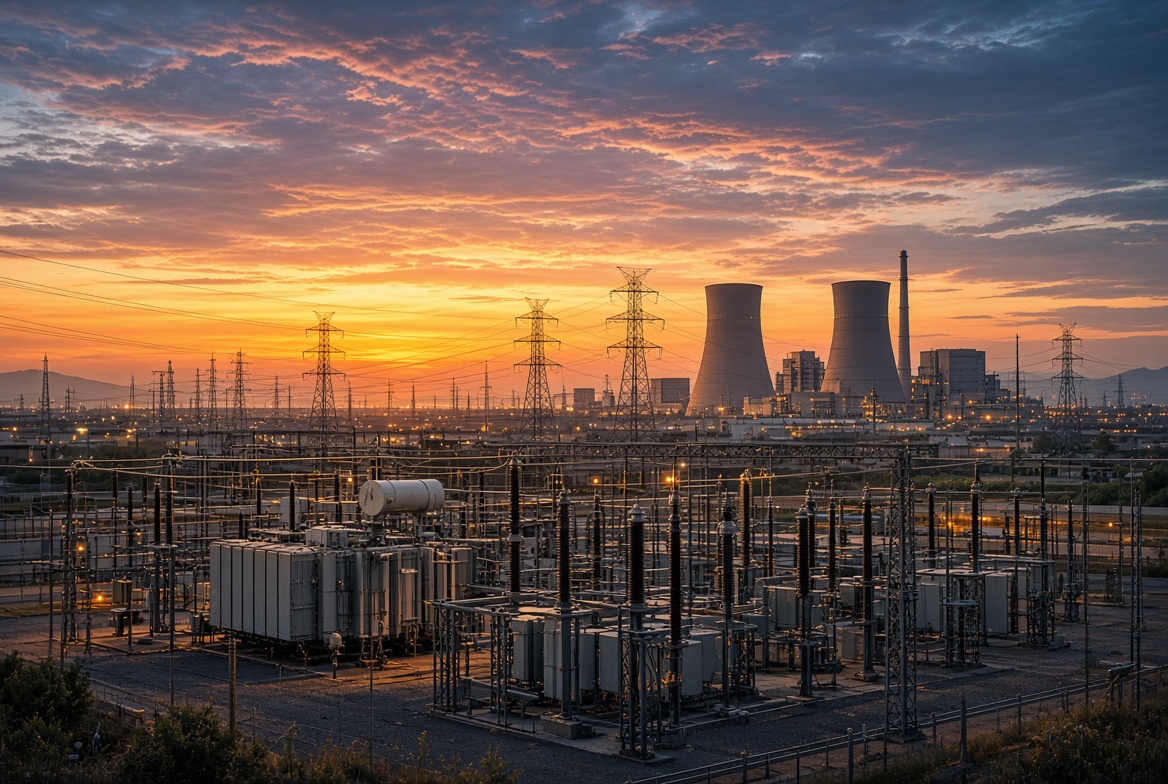
The summer of 2026 tested the U.S. electric grid with record heat and rising demand. According to the U.S. Energy Information Administration’s Hourly Electric Grid Monitor (based on Form EIA-930 data), three major regional transmission organizations (RTOs) set new peak hourly load records.⁠Eia PJM (serving roughly 65–67 million people across all or parts of 13 […]

Continue Reading

The Two Grids: Why Policy is Breaking Physics

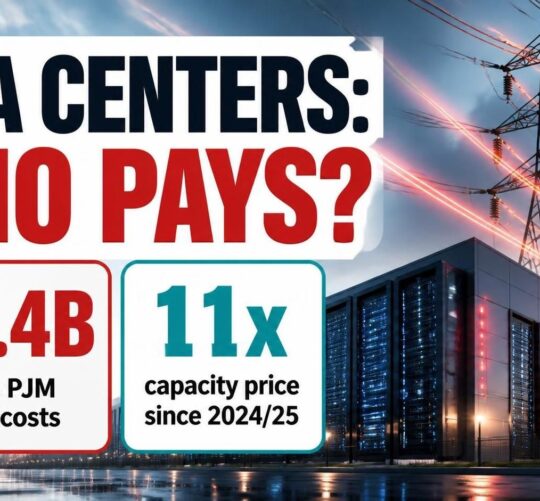
Welcome back to the Energy Newsbeat podcast. Today, we’re diving deep into one of the most critical—and misunderstood—issues facing America’s energy future. Most people think the grid is just the wires and power plants they see. But what if I told you two grids are operating at the same time, and they’re increasingly working against […]

Continue Reading

NatGas Spikes As Major West Virginia Pipeline Declares Force Majeure

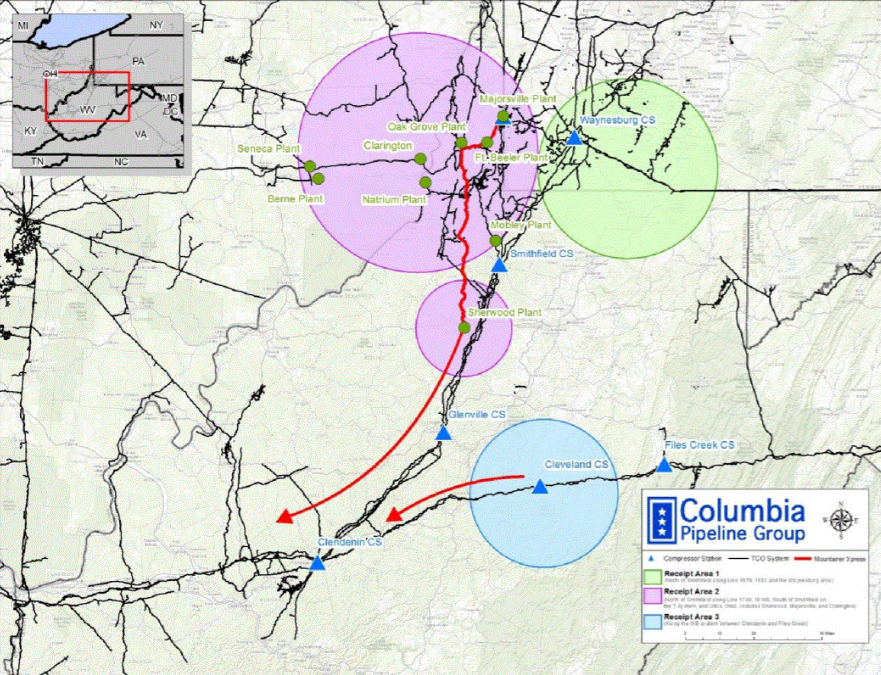
TC Energy’s Columbia Gas Transmission (TCO) declared force majeure Thursday after an unexpected mechanical issue on the Mountaineer XPress (MXP) system forced an immediate pressure reduction on Line 100 between the Mt. Olive Compressor Station in Jackson County and the Saunders Creek Regulator Station in Cabell County, West Virginia. The restriction takes the MXPSEG MA42 […]

Continue Reading

Is Load Balancing from EVs or Home Storage Power Units Safe and Affordable?

As electricity demand surges from electrification, data centers, and extreme weather, utilities and regulators are turning to customer-owned resources—electric vehicles (EVs) and home battery storage—to balance the grid. This involves “load balancing” or demand flexibility: shifting or reducing consumption (or discharging stored energy) during peak times, often through virtual power plants (VPPs) or demand response […]

Continue Reading