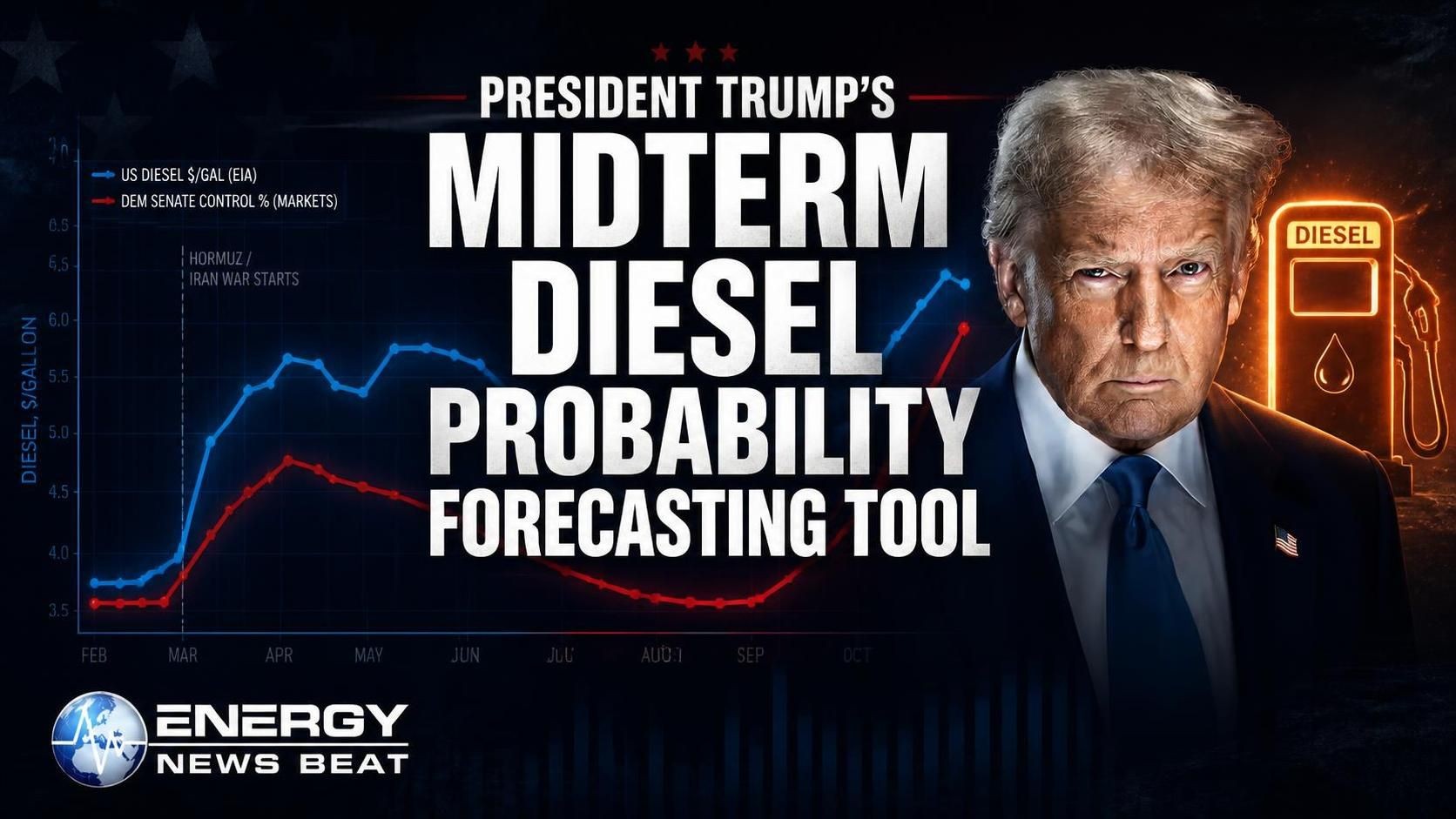
President Trump’s Midterm Diesel Probability Forecasting Tool ties record distillate prices directly to Senate control odds less than five weeks before the November 3 vote. Retail on-highway diesel sat at $6.382 per gallon for the week of September 28 (EIA), down only modestly from the $6.529 record the prior week and more than $2.60 above year-ago levels. AAA’s October 1 national average was $6.37. Prediction markets price Democrats at roughly 62–64 percent to win the Senate (Kalshi and Polymarket averages as of October 2), up sharply from Republican-favored readings before the late-February start of the Iran conflict. The pattern matches historical midterm results in which rising fuel prices amplify incumbent-party losses, with the effect concentrated in diesel-heavy farm and trucking states.
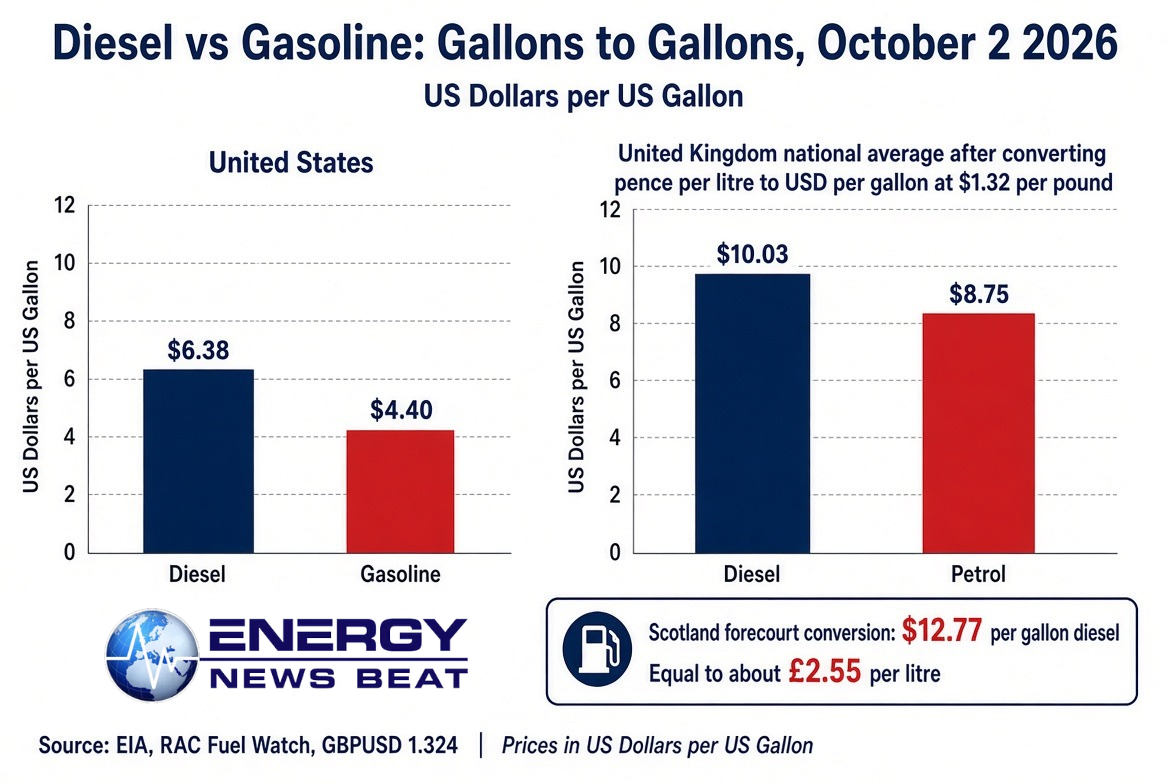
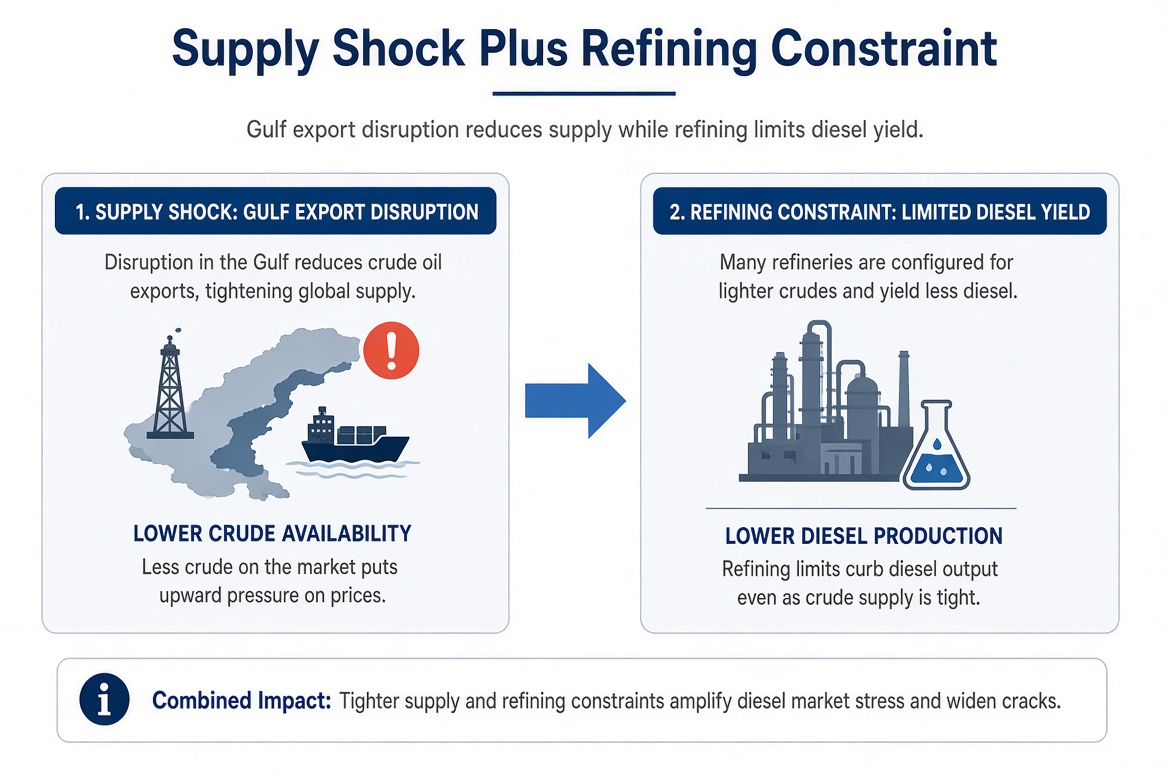
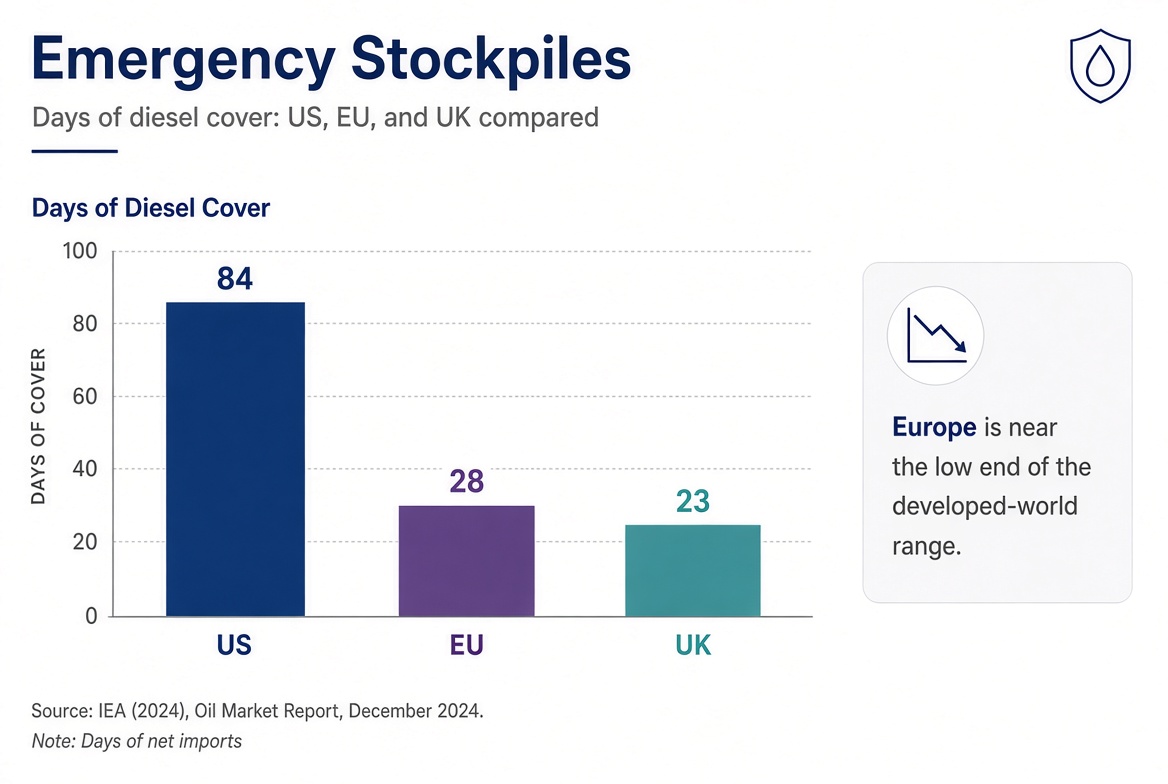
Ed Conway’s recent primers frame why diesel, not gasoline, has become the binding constraint. In LinkedIn and Sky News explainers (including the presentation linked at https://lnkd.in/p/giu7AC_H and related X threads), he describes the current episode as the worst oil-supply shock in modern history layered on decades-old refining and stockpile choices. Gulf export terminals disrupted by the Iran war removed large volumes of middle distillates. Modern refineries, reconfigured in the 1990s–2000s for lighter crudes and gasoline yield under environmental rules, have limited ability to pivot toward diesel. Europe and the UK entered the shock with thin emergency diesel stocks—one of the developed world’s lowest coverage ratios—while the United States remains the world’s largest diesel producer and a major exporter. Conway’s charts show UK and European diesel spiking far ahead of petrol and highlight how just-in-time logistics turned a regional supply hit into a transatlantic political problem. G7 emergency talks in early October underscored the point: diesel is treated as existential for both European industry and U.S. electoral arithmetic.
Illustrative slides drawn from those explainers capture the core sequence:
It looks like President Trump’s team is paying attention:

The forecasting link is straightforward. National diesel near $6.40 coincides with Democratic Senate probabilities in the low-to-mid 60s on major prediction markets, versus Republican advantages above 60 percent before the Iran war and the subsequent price surge. Nate Silver, G. Elliott Morris, and RBC analysis have highlighted the outsized diesel shock in Iowa, Ohio, Michigan, Nebraska, and similar states—precisely the map of competitive Senate races. Farmers and truckers, core Republican constituencies, face the steepest input-cost increases.

Historical Morgan Stanley work on gas prices since 1978 shows incumbent parties lose far more House seats when pump prices rise from the prior January through election October; diesel amplifies the same channel because it feeds directly into food, freight, and rural operating costs. As diesel remains matched to these elevated levels, the implied probability that Republicans lose the Senate continues to rise in both polling aggregates and prediction markets. A successful coordinated stock release or further waiver-enabled domestic flows that pull retail diesel materially lower would, on the same historical and market evidence, improve the odds of holding the chamber.
Making Appendices Great Again
Check out the World’s Greatest Podcast Show Notes at EnergyNewsBeat.co or EnergyNewsBeat.com.
Appendix: Sources
- Ed Conway LinkedIn/X primers and presentation reference: https://lnkd.in/p/giu7AC_H ; related Sky News and X threads on diesel stockpiles and U.S. export role (September 2026).
- Reuters, “Europe weighs new diesel stocks release after US pressure,” 2 October 2026: https://www.reuters.com/business/energy/europe-discussing-plan-diesel-stock-releases-after-us-pressure-source-says-2026-10-02/
- Politico and Al Jazeera reporting on the Wright/Bessent proposal and G7 volumes (1–2 October 2026).
- Cato Institute Jones Act Waiver Tracker: https://www.cato.org/jones-act-waiver-tracker ; introducing post https://www.cato.org/blog/introducing-jones-act-waiver-tracker (July 2026 data: ~40 million barrels, 162 voyages); later Cato and Energy News Beat updates citing ~67.7 million barrels mid-September floor.
- EIA weekly diesel: $6.382 (week of 28 September 2026); AAA 1 October average $6.37; FRED GASDESM series.
- Prediction-market snapshots: Kalshi/Polymarket Senate control ~62–64 percent Democratic as of 2 October 2026 (CNBC 16 September baseline and subsequent trackers).
- Nate Silver, “Diesel prices could crush Republicans in the heartland,” 22 September 2026; G. Elliott Morris Strength in Numbers polling note, 2 October 2026; The Hill and Financial Times midterm diesel coverage,