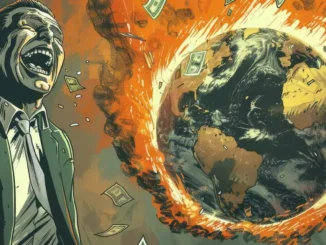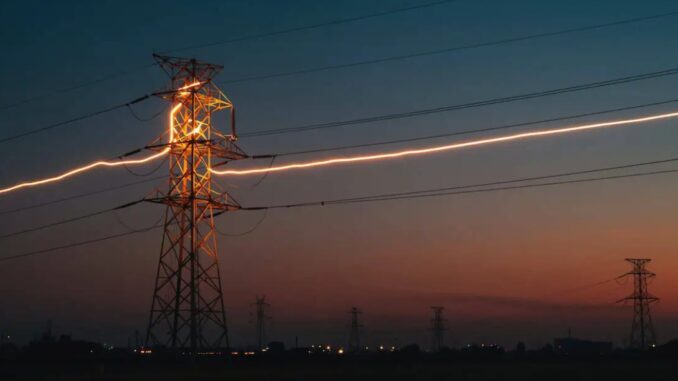
It’s disheartening that the wealthier country governments have chosen electricity generation “winners”, i.e., wind and solar, to generate electricity, paid with taxpayer funds, to support the Government Mandates and Subsidies. These actions are unethical to the entire population of 8 billion on this planet and an insult to the taxpayers in those wealthy countries.
Rather than pursuing the most reliable sources of electricity generation that are also continuous and uninterruptible, like nuclear, hydro, coal, or natural gas, wealthier countries are pursuing, with taxpayer dollars, the least reliable source of electricity generation that is also NOT continuous nor reliable, via weather-dependent wind turbines and solar panels. Obviously, wealthier countries are pursuing the MOST expensive ways to generate electricity, while those in poverty don’t have enough money to subsidize themselves out of a paper bag.
In pursuit of net zero emissions, Western governments have committed to shuttering reliable fossil plants that are absolutely required to back up wind and solar. If these shutdowns continue as planned, blackouts, grid failure, and severe damage could result.
- Homes would not have lights, TV, cell phones, cooking, refrigeration, computers, and no heating or air conditioning.
- Homes would freeze in the winter and be hot in the summer.
- The most urgent problem people would face would be the loss of water because the water treatment plants run on electricity.
- People can live only three days without drinking water, and they cannot shower, wash their hands, or flush the toilet.
In a city without electricity:
- There are no stores open, so there’s no food.
- Gas pumps don’t work, credit cards don’t work,
- Traffic lights don’t work; nothing works.
- Imagine high-rise apartments without lights, water, AC, or elevators, and toilets that don’t flush.
It would be catastrophic if any modern society lost electricity, but the number of people WITHOUT electricity access was about 730 million in 2024.
- Those in poverty desperately need and want electricity to lift themselves out of poverty.
- Those in poverty want what we have: reliable electricity to provide all the wonderful benefits of modern life enjoyed by those in wealthy countries.
Poverty means:
- Poor diet, poor health, shorter life span expectancy, minimal education, and other hazards.
- Child mortality in Africa is 14 times higher than in Europe.
- Another result of poverty: over three million people die annually from lung disease caused by 2.1 billion women cooking over open fires using wood, charcoal, crop residue, waste, or dung.
Three million dying from lung disease in poverty locations is just a number, right? Stalin once said, “One life is a tragedy, a million lives is just a statistic.” But let’s put three million into perspective. When there is a tragic airplane crash in wealthy countries killing several people, it makes news for days and initiates thorough investigations.
More people die annually in poverty around the world from cooking over open fires than would die if an airliner with 320 passengers crashed every hour of the day, and every day of the year. Of course, the world should not tolerate that, yet we still have three million deaths per year from cooking over open fires.
Other analogies to put three million deaths annually into perspective:
- That is more deaths annually than have died in all the natural disasters in the 21st Century.
- Three million is also ten times the deaths caused by the entire Russian/Ukraine war (high estimate is 300,000).
- Tragically, almost an equal number of three million die in poverty from communicable diseases caused by unsafe drinking water and lack of sanitation facilities.
Because of the immensity of these tragedies, the world needs to mount a significant effort by all the countries, foundations, financial institutions, and corporations of the world to bring LPG stoves, safe water, and electricity to the poor of the world. The LPG stoves could be provided faster and with less funding, so they should be done while continuous and uninterrupted electricity is being built out.
Most countries in Africa have good fossil fuel reserves, so why don’t Africans have electricity? One of the reasons, besides poverty, is that for five decades or more, Western World governments, and a loose cabal of financial institutions, including the UN and World Bank, have blocked financing of fossil fuel systems in the developing world. At the Africa summit in Washington earlier this year, Secretary Chris Wright said:
- “Western countries such as the United States have for years been “shamelessly” telling Africa that coal is bad and not to develop it. That’s just nonsense, 100 percent nonsense…Coal transformed our world and made it better, extended life expectancy and grew opportunities, and coal globally will be the largest source of electricity for decades to come. That’s not a policy, that’s not a desire, that’s just a reality.”
Globally, there are 3 billion people using less electricity annually than required to run a standard refrigerator; many are limited to one-tenth that. The availability of limited electricity has been a great leap forward because it has provided communication and minimal lighting, but it is totally inadequate to support industry. Eliminating poverty requires jobs, and jobs require industry, and that requires cheap, reliable electricity.
Surprisingly, these poor people have cell phones, so they are aware of the wonderful benefits of electricity in the developed world and are determined to get it. This pent-up demand has created a huge market for electricity in the developing world. It is urgently needed now, so initially it must be fossil fuels like coal and natural gas, but nuclear should be included as quickly as possible.
The World Bank says there are now 720 million living in extreme poverty, defined as less than $3/day. To combat poverty, we need jobs, and good industrial jobs require cheap, reliable electricity.
Wealthy countries should stop pursuing the least reliable source of electricity generation that is NOT continuous nor reliable, via weather-dependent wind turbines and solar panels, and should focus on improving the well-being of the billions on this planet who live in poverty. That positive direction for ALL of mankind will vastly increase the demand for, and thus the energy associated with, all conventional products and services from home heating and cooling, to transportation, healthcare, and more.
Please share this information with teachers, students, and friends to encourage Energy Literacy conversations at the family dinner table.
- Homes would not have lights, TV, cell phones, cooking, refrigeration, computers, and no heating or air conditioning.
- Homes would freeze in the winter and be hot in the summer.
- The most urgent problem people would face would be the loss of water because the water treatment plants run on electricity.
- People can live only three days without drinking water, and they cannot shower, wash their hands, or flush the toilet.
In a city without electricity:
- There are no stores open, so there’s no food.
- Gas pumps don’t work, credit cards don’t work,
- Traffic lights don’t work; nothing works.
- Imagine high-rise apartments without lights, water, AC, or elevators, and toilets that don’t flush.
It would be catastrophic if any modern society lost electricity, but the number of people WITHOUT electricity access was about 730 million in 2024.
- Those in poverty desperately need and want electricity to lift themselves out of poverty.
- Those in poverty want what we have: reliable electricity to provide all the wonderful benefits of modern life enjoyed by those in wealthy countries.
Poverty means:
- Poor diet, poor health, shorter life span expectancy, minimal education, and other hazards.
- Child mortality in Africa is 14 times higher than in Europe.
- Another result of poverty: over three million people die annually from lung disease caused by 2.1 billion women cooking over open fires using wood, charcoal, crop residue, waste, or dung.
Three million dying from lung disease in poverty locations is just a number, right? Stalin once said, “One life is a tragedy, a million lives is just a statistic.” But let’s put three million into perspective. When there is a tragic airplane crash in wealthy countries killing several people, it makes news for days and initiates thorough investigations.
More people die annually in poverty around the world from cooking over open fires than would die if an airliner with 320 passengers crashed every hour of the day, and every day of the year. Of course, the world should not tolerate that, yet we still have three million deaths per year from cooking over open fires.
Other analogies to put three million deaths annually into perspective:
- That is more deaths annually than have died in all the natural disasters in the 21st Century.
- Three million is also ten times the deaths caused by the entire Russian/Ukraine war (high estimate is 300,000).
- Tragically, almost an equal number of three million die in poverty from communicable diseases caused by unsafe drinking water and lack of sanitation facilities.
Because of the immensity of these tragedies, the world needs to mount a significant effort by all the countries, foundations, financial institutions, and corporations of the world to bring LPG stoves, safe water, and electricity to the poor of the world. The LPG stoves could be provided faster and with less funding, so they should be done while continuous and uninterrupted electricity is being built out.
Most countries in Africa have good fossil fuel reserves, so why don’t Africans have electricity? One of the reasons, besides poverty, is that for five decades or more, Western World governments, and a loose cabal of financial institutions, including the UN and World Bank, have blocked financing of fossil fuel systems in the developing world. At the Africa summit in Washington earlier this year, Secretary Chris Wright said:
- “Western countries such as the United States have for years been “shamelessly” telling Africa that coal is bad and not to develop it. That’s just nonsense, 100 percent nonsense…Coal transformed our world and made it better, extended life expectancy and grew opportunities, and coal globally will be the largest source of electricity for decades to come. That’s not a policy, that’s not a desire, that’s just a reality.”
Globally, there are 3 billion people using less electricity annually than required to run a standard refrigerator; many are limited to one-tenth that. The availability of limited electricity has been a great leap forward because it has provided communication and minimal lighting, but it is totally inadequate to support industry. Eliminating poverty requires jobs, and jobs require industry, and that requires cheap, reliable electricity.
Surprisingly, these poor people have cell phones, so they are aware of the wonderful benefits of electricity in the developed world and are determined to get it. This pent-up demand has created a huge market for electricity in the developing world. It is urgently needed now, so initially it must be fossil fuels like coal and natural gas, but nuclear should be included as quickly as possible.
The World Bank says there are now 720 million living in extreme poverty, defined as less than $3/day. To combat poverty, we need jobs, and good industrial jobs require cheap, reliable electricity.
Wealthy countries should stop pursuing the least reliable source of electricity generation that is NOT continuous nor reliable, via weather-dependent wind turbines and solar panels, and should focus on improving the well-being of the billions on this planet who live in poverty. That positive direction for ALL of mankind will vastly increase the demand for, and thus the energy associated with, all conventional products and services from home heating and cooling, to transportation, healthcare, and more.