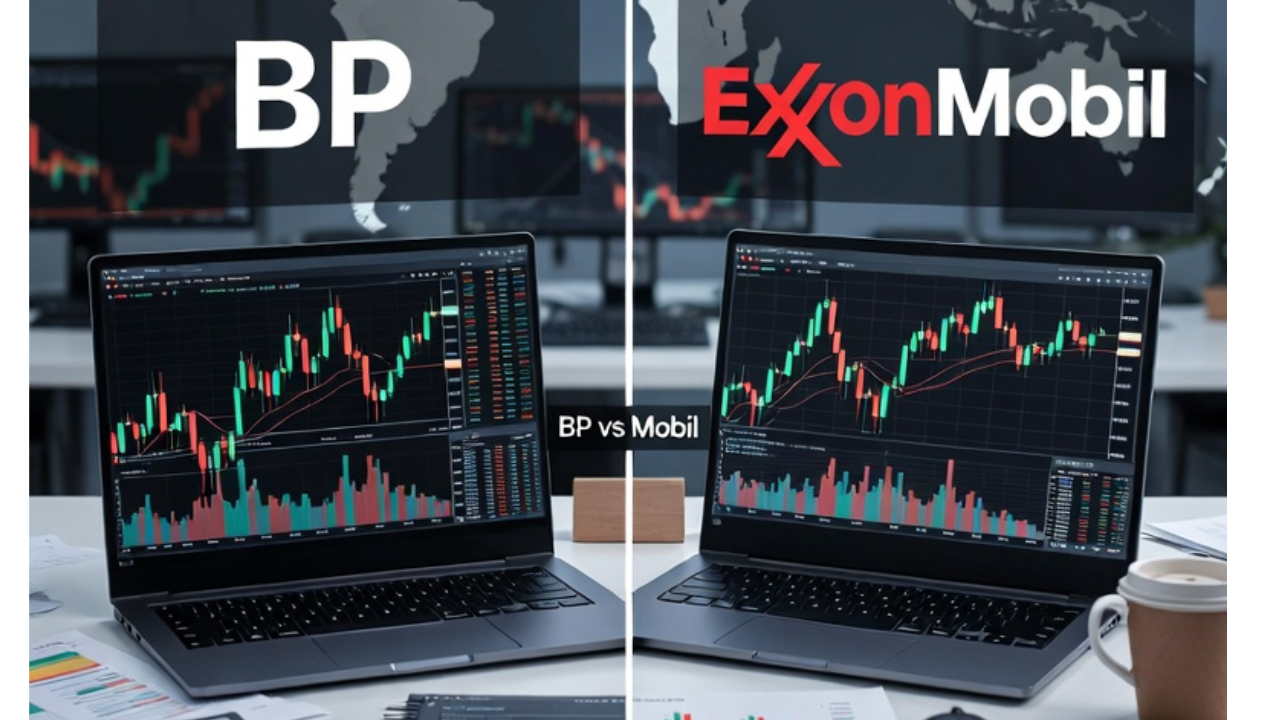
The Iran war that erupted on February 28 has sent oil prices surging past $100 per barrel amid disruptions in the Strait of Hormuz and Persian Gulf supply chains. While the broader energy sector has benefited from the geopolitical shock, not all Big Oil majors have performed equally. BP has emerged as the standout performer among supermajors, with shares climbing approximately 19-20% since the conflict began, while ExxonMobil has slipped about 2%.
This reversal highlights how valuation, operational exposure, and business mix can drive outsized gains during volatile times. BP entered the crisis as a relative laggard with a lower stock price and more attractive entry valuation compared to its U.S. peers, allowing for a sharper rebound. Analysts point to BP’s “exceptional” oil trading performance amid price volatility and supply chokepoints, combined with limited direct production hits from Middle East disruptions—unlike ExxonMobil, which saw roughly 6% of global output affected in Q1 from operations in Qatar, the UAE, and related LNG infrastructure.
BP’s pre-war underperformance stemmed from a heavy 2020 low-carbon pivot that ballooned debt and weighed on investor sentiment. Under new CEO Meg O’Neill, the company has refocused on upstream oil and gas growth while maintaining its integrated model. This setup—trading desks capitalizing on volatility plus a diversified production footprint—positioned BP perfectly for the Iran-driven windfall. European majors like BP, Shell, and TotalEnergies generally benefited more from trading profits than U.S. counterparts, which faced hedging headwinds in Q1 earnings.
Drilling Locations, Production Plans, and Strategic Plays
BP’s Upstream Push
BP is aggressively expanding in stable, high-potential basins with a clear emphasis on the U.S. Gulf of Mexico. The company aims to grow its U.S. offshore production to more than 400,000 barrels of oil equivalent per day (boe/d) by 2030.
Key projects include:
Kaskida (ultra-deepwater, first new Gulf field since Deepwater Horizon): $5 billion investment, production start in 2029 at ~80,000 bpd from six wells, unlocking part of an estimated 10 billion barrels of resources. Approved by the Trump administration in March 2026.
Tiber-Guadalupe (sister project to Kaskida): Additional deepwater hub development.
Conifer exploration well: Planned spud in 2026 in the Paleogene play, with potential tie-back to Kaskida.
Expansions at existing hubs like Atlantis and Argos.
BP also has a slate of 10 major projects targeted for startup by the end of 2027, including North Sea (Murlach), Trinidad (two projects), Egypt Mediterranean gas developments ($1.5 billion across 14 concessions), and Mauritania/Senegal. BPX Energy (shale arm) is ramping Permian, Eagle Ford, and Haynesville assets, targeting 8% growth in 2026 and 650,000 boe/d by 2030. Renewed operations and maintenance contracts in Azerbaijan (Azeri-Chirag-Gunashli and Shah Deniz) provide stable Caspian production.
This U.S.-heavy, deepwater-focused strategy reduces reliance on volatile regions and leverages BP’s offshore expertise.
ExxonMobil’s Growth Engine
ExxonMobil remains a long-term powerhouse with a laser focus on its “advantaged assets”: Permian Basin, Guyana, and LNG. The company plans to double Permian output to ~2.5 million boe/d by 2030 (from ~1.3 million in 2024) through Pioneer synergies and proprietary tech. In Guyana’s Stabroek block, Exxon has discovered over 11 billion boe and is scaling multiple FPSOs:
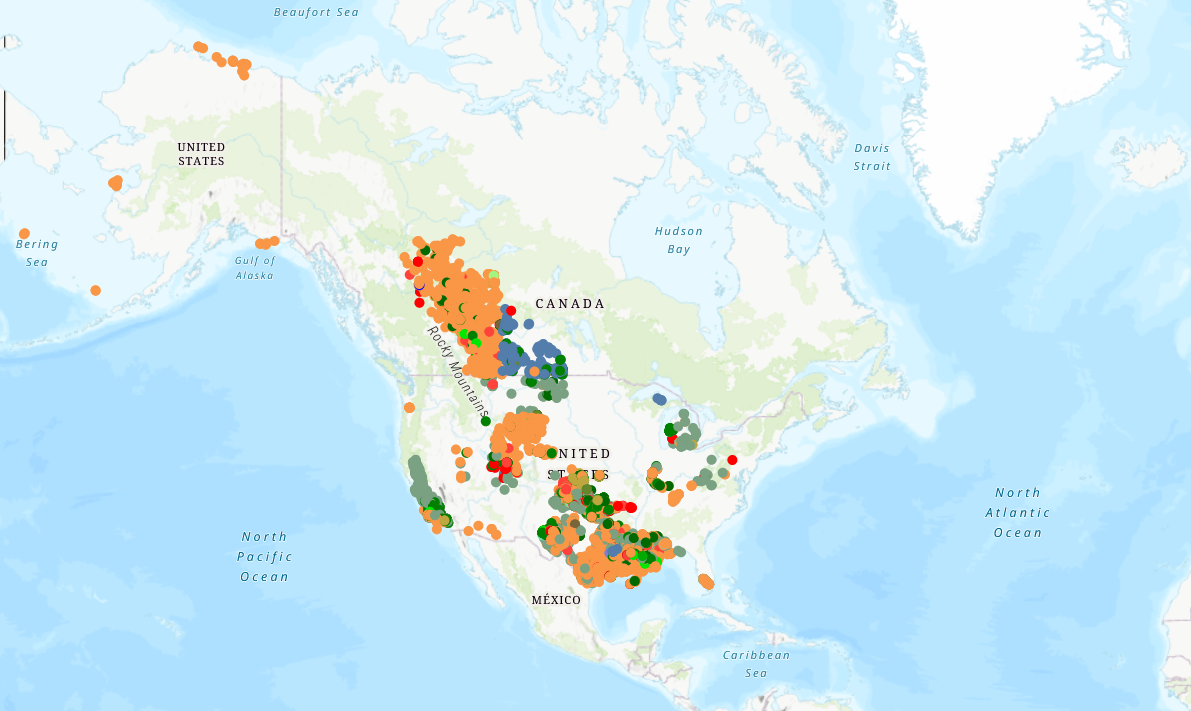
Current output already exceeds 900,000 bpd.
Upcoming: Uaru (2026), Whiptail (2027), Hammerhead (accelerated to 2028), with capacity targeting 1.3–1.5 million bpd by 2027+.
Gas-to-energy and LNG tie-ins add further upside.
While Exxon faced short-term production losses from Middle East assets (which represent ~20% of output but less of earnings), its low-cost, long-life reserves in the Americas position it for sustained cash flow and dividend growth.
Long-Term Investment Plays: BP, ExxonMobil, and Broader Big-Oil Patterns
BP: A value + growth story. Its lower pre-war valuation and higher dividend yield (~4.3% vs. Exxon’s ~2.7%) made it an easier, more leveraged bet during the crisis. Long-term, the GoM ramp and global project pipeline could drive production toward 1 million boe/d in the U.S. alone by decade’s end. Investors seeking turnaround potential and trading/refining upside in volatile markets should watch BP closely. Risks include execution on deepwater projects and any residual debt overhang.ExxonMobil: The reliable growth machine. Its scale, balance-sheet strength, and focus on low-cost Permian/Guyana/LNG assets make it a core holding for income and appreciation. Despite the Q1 hedging and outage drag, Exxon’s 2030 outlook projects upstream production at 5.5 million boe/d with advantaged assets comprising 65% of volumes. Ideal for investors prioritizing capital discipline and multi-decade reserves.
Patterns Across Top Oil Companies for Investors:
Chevron (CVX): Mirrors Exxon with strong Permian and international assets (including Guyana exposure). Often seen as a steadier integrated play with less outage impact in recent disruptions. Solid dividend aristocrat.
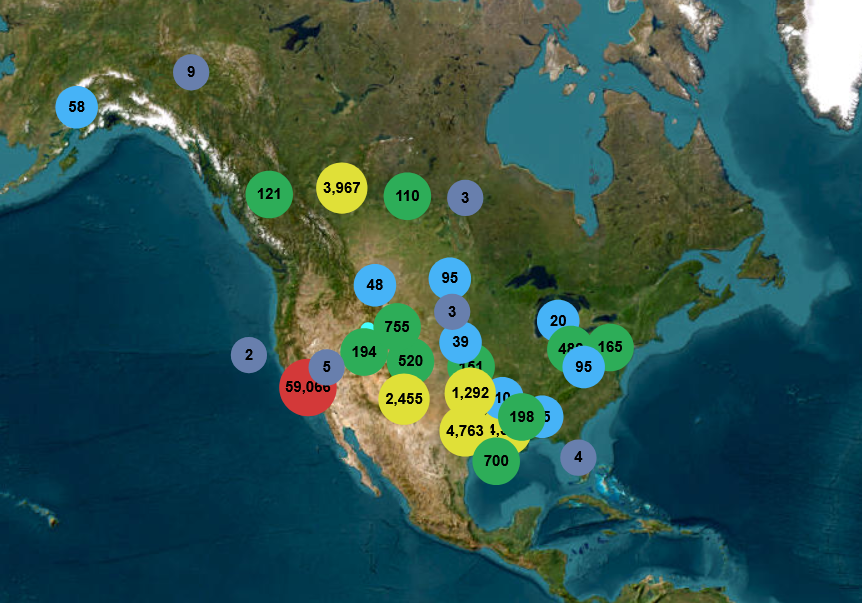
Shell (SHEL) and TotalEnergies (TTE): European peers to BP—strong trading/refining margins during volatility, diversified gas portfolios, and some renewables exposure.
More sensitive to European policy but benefits from global LNG.
ConocoPhillips (COP): Pure-play upstream with higher oil-price leverage (less downstream buffer). More volatile but attractive for growth-oriented portfolios.
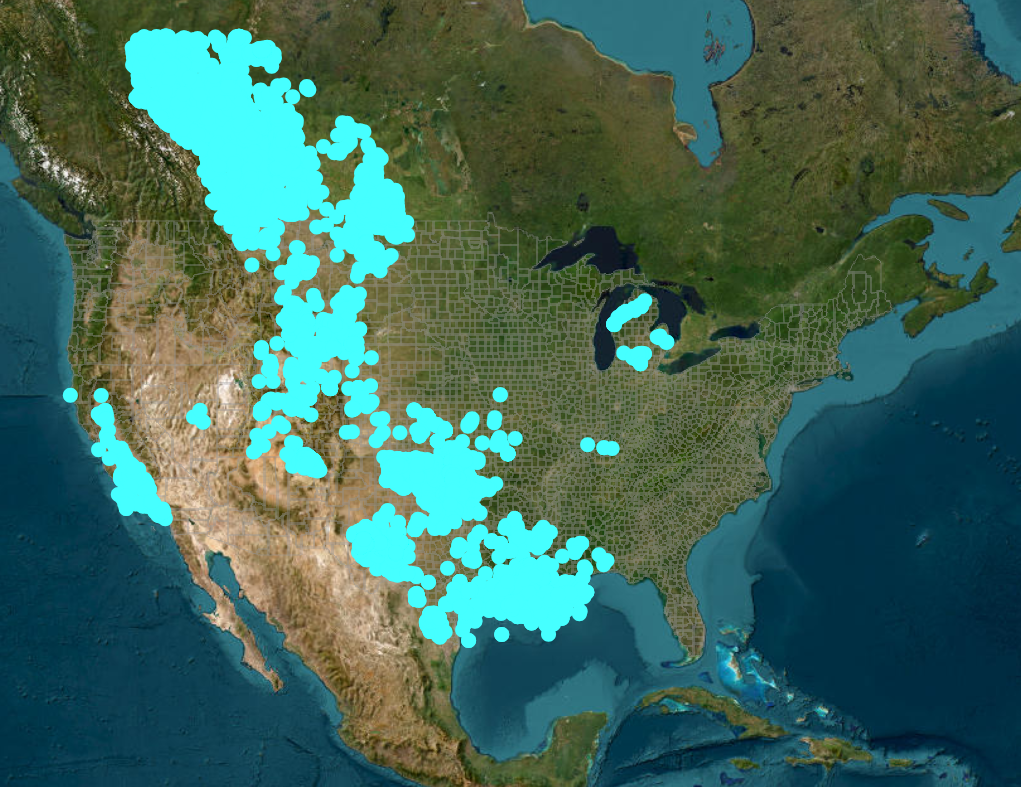
Key Investor Patterns Observed: Valuation entry matters:
Cheaper stocks (BP pre-war) deliver bigger percentage gains in rallies.
Geopolitical diversification wins: Preference for U.S. shale/offshore, Guyana, and non-Middle East assets during Hormuz-style crises.
Integrated model advantage: Trading and downstream profits amplify upstream gains in volatile price environments.
Capital discipline and dividends: Companies with strong free-cash-flow generation and buyback programs (Exxon, Chevron) reward long-term holders.
Growth runway: Projects already sanctioned or near-FID (Guyana FPSOs, GoM hubs) outperform speculative exploration.
In a world of persistent geopolitical risk, Big Oil’s winners will be those with resilient, low-cost production in stable basins, flexible trading operations, and disciplined capital allocation. The Iran war has underscored these dynamics—BP’s surge is a textbook case.
Investor Takeaway: BP offers compelling catch-up potential with its Gulf of Mexico acceleration and trading edge. ExxonMobil remains the gold standard for scale and reliability. A diversified basket across these names (plus Chevron and select Europeans) provides balanced exposure to oil upside while mitigating single-company or regional risks.
One key differentiation is that ExxonMobil has an entry point into the Data Center hyperscaler business at 1.5 GW, and BP is still trying to divest its run-down renewable and carbon markets. Carbon markets will be tougher as the EU, UK, and Canada continue to deindustrialize, and the funding for the carbon taxes and Net Zero programs will be eliminated. Thus, wiping out part of BP’s advantage now over ExxonMobile.
Always consult your financial advisor and review the latest SEC filings.
Appendix: Sources and Links
- Bloomberg original article: https://www.bloomberg.com/news/articles/2026-04-27/bp-gains-on-exxon-to-emerge-as-top-big-oil-stock-during-iran-war?srnd=phx-industries-energy
- The Edge Singapore on BP gains: https://www.theedgesingapore.com/news/oil-gas/bp-gains-exxon-emerge-top-big-oil-stock-during-iran-war
- Intellectia.ai on BP surge: https://intellectia.ai/news/etf/bp-stock-surges-19-since-iran-war-amid-oil-price-surge
- CNBC on BP trading performance: https://www.cnbc.com/2026/04/14/bp-flags-exceptional-oil-trading-performance-as-iran-war-chokes-supply.html
- Guardian on Big Oil war profits: https://www.theguardian.com/environment/2026/apr/15/big-oil-huge-war-windfall-consumers
- Reuters on energy stocks and ceasefire: https://www.reuters.com/business/energy/european-energy-shares-drop-oil-plunges-iran-ceasefire-2026-04-08/
- BP Gulf of Mexico plans (Energies Media, Upstream Online, NYT): https://energiesmedia.com/bp-maps-out-gulf-of-mexico-upstream-growth/; https://www.upstreamonline.com/exploration/bp-plans-exploration-drive-at-major-us-gulf-play-in-2026/2-1-1943898; https://www.nytimes.com/2026/03/14/climate/trump-bp-gulf-of-mexico-drilling.html
- ExxonMobil Guyana/Permian plans (Reuters, JPT, company releases): https://www.reuters.com/business/energy/exxon-accelerates-oil-gas-projects-guyana-amid-high-prices-2026-03-19/; https://jpt.spe.org/exxonmobil-focuses-investment-on-permian-guyana-and-lng
- Additional context from Seeking Alpha, MarketWatch, and company investor materials (2025–2026 reports).
- Welldatabase.com
All data as of the latest available reporting through April 27, 2026. Stock performance and project timelines subject to market and operational updates.