

A viral X post from @LimitlesCobz captured the moment perfectly on April 1, 2026. It laid bare what EU Energy Commissioner Dan Jørgensen just told member states after an emergency energy ministers’ meeting: Europeans should work from home, drive less, fly less, and cut back on energy use because of the ongoing Gulf (Iran) conflict. Jørgensen’s chilling line? “Even if peace is established tomorrow, we will not return to normal.”
No immediate diesel or jet-fuel shortages yet — but prices are spiking, global gas markets are tightening, and electricity prices are surging again. The post called it what it is: “Energy Lockdowns.” Same script as COVID, different excuse. And the real culprit isn’t the latest Middle East flare-up. It’s years of deliberate EU policy choices.
The Self-Inflicted Wound: Phase-Outs, Sanctions, and Ideology Over Engineering
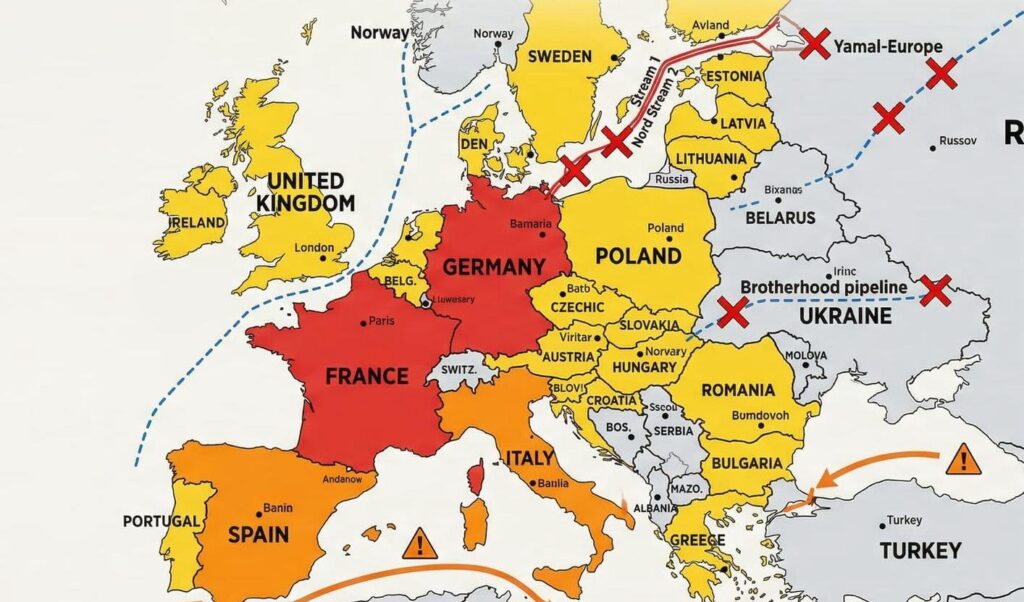
Europe once had cheap Russian pipeline gas (up to 40% of supply), a fleet of reliable nuclear plants, and coal for baseload power. Then it chose ideology:Russian gas embargo post-Ukraine 2022 → REPowerEU plan accelerated the divorce. LNG imports from the U.S. and Qatar filled the gap — at triple the price.
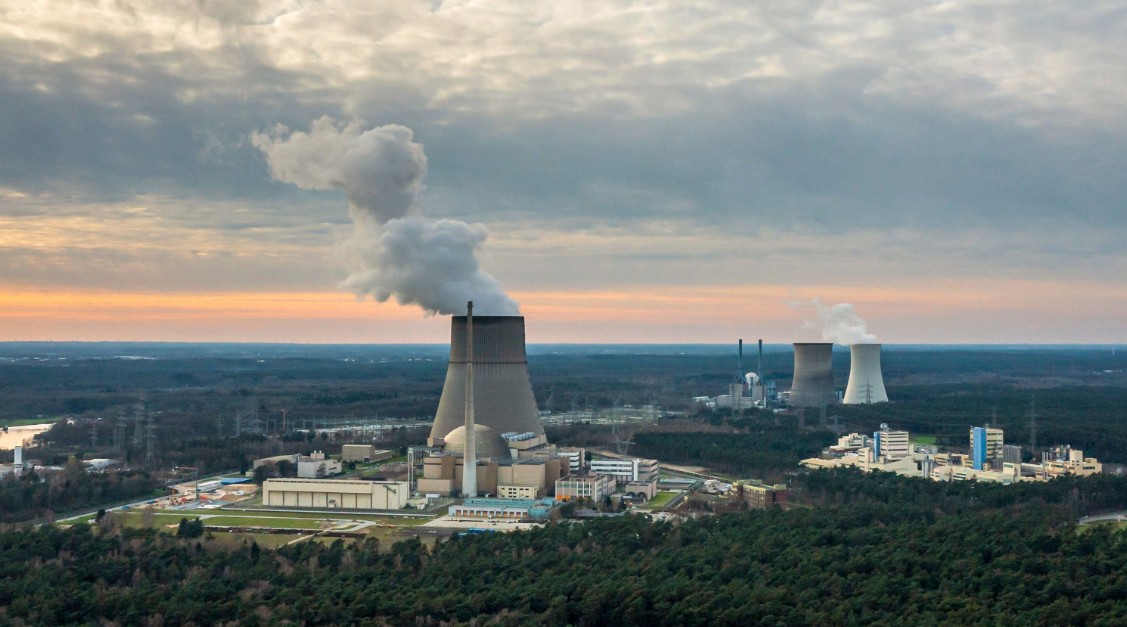
Nuclear phase-out — Germany shut its last three reactors in April 2023. Belgium, Spain, and others followed suit or blocked new builds. Seven EU countries still legally obstruct nuclear in energy rules.
Coal phase-out — Germany’s 2038 (or earlier 2030) target is now under pressure. Chancellor Friedrich Merz just admitted the country may need to keep some coal plants online longer because new gas plants are delayed.
The result? A fragile, intermittent-renewables-heavy grid that can’t even integrate the clean energy it already built. Over 120 GW of renewable projects risk being stranded because the grid is outdated for the variability of wind and solar.
Electricity prices in Europe remain structurally higher than in the U.S. or China — even after the 2022 spike eased. statista.com
German industry and households paid the price: higher emissions in the short term (coal and gas filled the nuclear gap), deindustrialization (factories relocating to the U.S. or Asia), and now repeated calls for “voluntary” austerity.
Germany’s last nuclear plants closed in 2023 — a move now called a “huge mistake” even by some German officials.
Is There a Plan for Recovery? The Clean Industrial Deal and REPowerEU
Officially, yes. The EU’s REPowerEU (launched 2022) and the Clean Industrial Deal (February 2025) are the recovery blueprints.
Key pillars:
Diversify supplies — LNG terminals, new pipelines from Norway/Algeria, and a full Russian gas/LNG phase-out by 2026–2028.
Double down on renewables — target 45% renewable energy by 2030 (up from 40%).
Electrify industry + build grids and storage.
Carbon Border Adjustment Mechanism (CBAM) — taxing carbon-intensive imports starting 2026 to protect EU steel, cement, etc.
The Commission insists decarbonization is the path to cheap energy: “Gas prices drive energy prices up. Renewables and nuclear drive the price down.”
But implementation lags. 26 of 27 member states face infringement proceedings over electricity market rules. The grid can’t handle the renewables boom. And high carbon prices under the EU ETS are now under fire — nine countries (Italy, Poland, Hungary, etc.) are actively plotting to weaken or suspend it.
Germany’s new government is quietly exploring small modular reactors (SMRs) and even fusion research, while slowing coal closures. France still leans heavily on nuclear. The political winds are shifting rightward across Europe, with voters punishing green policies that delivered € trillions in costs but fragile supply.
The Options on the Table: Stop Deindustrialization or Keep Pedaling Net Zero?
Europe faces three real paths:
Double down on Net Zero (current trajectory)
Accelerate the Clean Industrial Deal, pour billions into grids/storage/hydrogen, keep aggressive carbon taxes and CBAM, and treat behavioral “energy savings” as the new normal. Pro: long-term energy independence and green-tech leadership. Con: continued high prices, factory closures, and political backlash. The Commission and green-leaning states (Spain, Netherlands, Nordic countries) defend the ETS as the “cornerstone” of climate policy.
Pragmatic Pause — Curb the Aggressive Carbon Taxes and Net Zero Timeline
Weaken ETS price signals, delay ETS2 (buildings/road transport) from 2027, extend coal/gas plants, fast-track nuclear (including SMRs), and prioritize affordability. Nine member states are already coordinating this. Germany’s Merz and industry lobbies are pushing hard. Result: slower deindustrialization, cheaper energy, but missing 2030/2040 climate targets.
Hybrid Realism (most likely emerging path)
Keep the 2050 net-zero goal on paper, but revise the 2040 target downward, tweak the Market Stability Reserve to blunt ETS spikes, and massively invest in all-of-the-above (renewables + nuclear revival + gas as bridge). The Commission is already floating targeted state aid and tax cuts on energy bills.
The X post nailed the deeper truth: this isn’t just a Gulf conflict problem. It’s the predictable outcome of replacing reliable, dispatchable power with ideology-driven intermittency — then acting shocked when the next external shock exposes the fragility.
Europe didn’t “lose” cheap energy. It chose to walk away from it. The question now is whether politicians will admit the mistake before deindustrialization becomes permanent and “energy lockdowns” turn from voluntary appeals into enforced reality.The real story? Energy policy was never just about climate. It was about control, geopolitics, and green virtue-signaling — until the lights (and wallets) started flickering.
Appendix: Key Links & Sources
- Original X post by
@LimitlesCobz
- EU REPowerEU Plan: https://commission.europa.eu/topics/energy/repowereu_en
- Clean Industrial Deal (2025): https://commission.europa.eu/topics/eu-competitiveness/clean-industrial-deal_en
- Germany coal/nuclear updates: Clean Energy Wire reports on Merz comments and phase-out impacts
- ETS debate: Reuters & Politico coverage of member-state pushback (March 2026)
- Electricity price charts: Statista & GMK Center data (2024–2026 trends)
- European Green Deal overview: https://commission.europa.eu/strategy-and-policy/priorities-2019-2024/european-green-deal_en
Energy News Beat will keep tracking this. The next few months — as ETS revision proposals land in July 2026 — will decide whether Europe chooses recovery through realism or doubles down on self-destruction. Stay tuned.