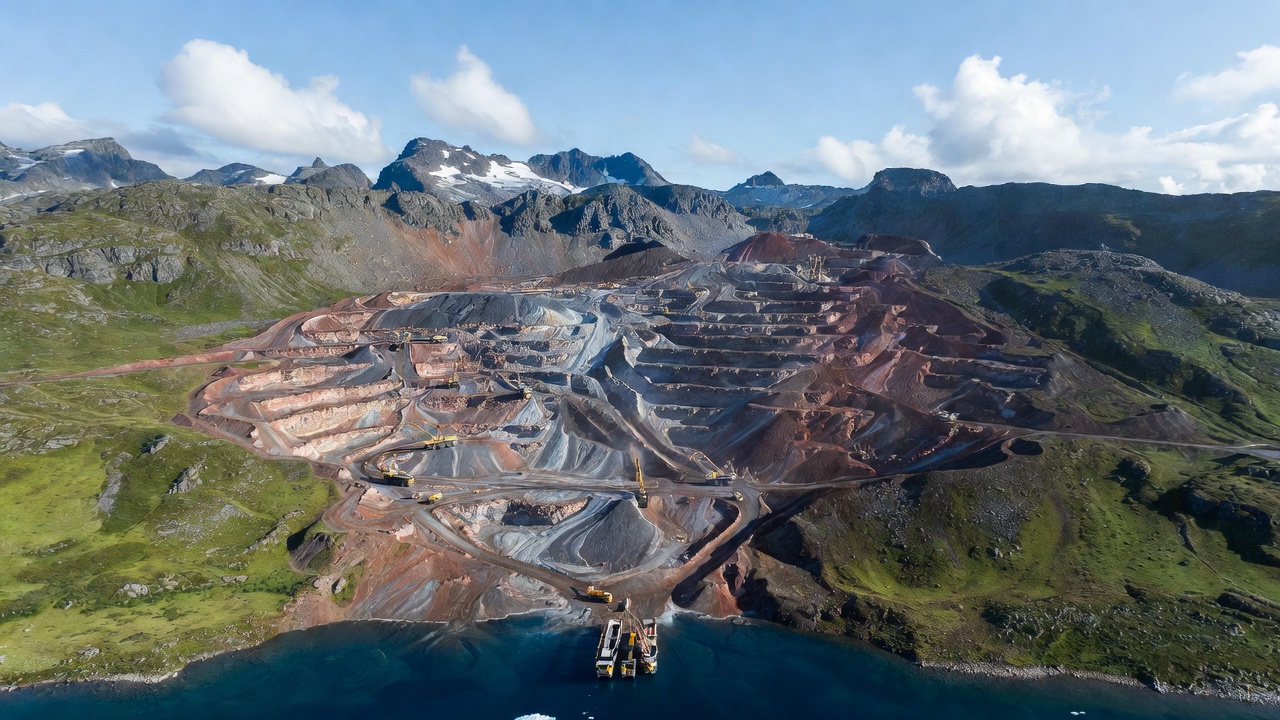
In a significant step toward reducing dependence on China for critical minerals, American mining company Critical Metals Corp. (NASDAQ: CRML) has secured formal approval from the Greenland government to acquire a 70% stake in 60° North ApS, advancing full control over the world-class Tanbreez rare earth deposit in southern Greenland. This development, announced in early May 2026, positions the United States to tap one of the largest and most strategically valuable heavy rare earth element (HREE) resources outside China, bolstering supply chain security for electric vehicles (EVs), wind turbines, advanced defense systems, and the broader clean energy transition.
The Tanbreez deposit stands out globally for its scale and quality. It contains an estimated 4.7 billion tonnes of rare earth-bearing material, with an exceptional 27% composition of heavy rare earths—primarily dysprosium, terbium, and yttrium. These elements are essential for high-performance permanent magnets used in EV motors, wind turbine generators, and military applications such as fighter jets and precision-guided munitions. For comparison, the United States’ Mountain Pass deposit in California has only about 0.49% heavy rare earths, while China’s giant Bayan Obo mine registers around 1.13%.
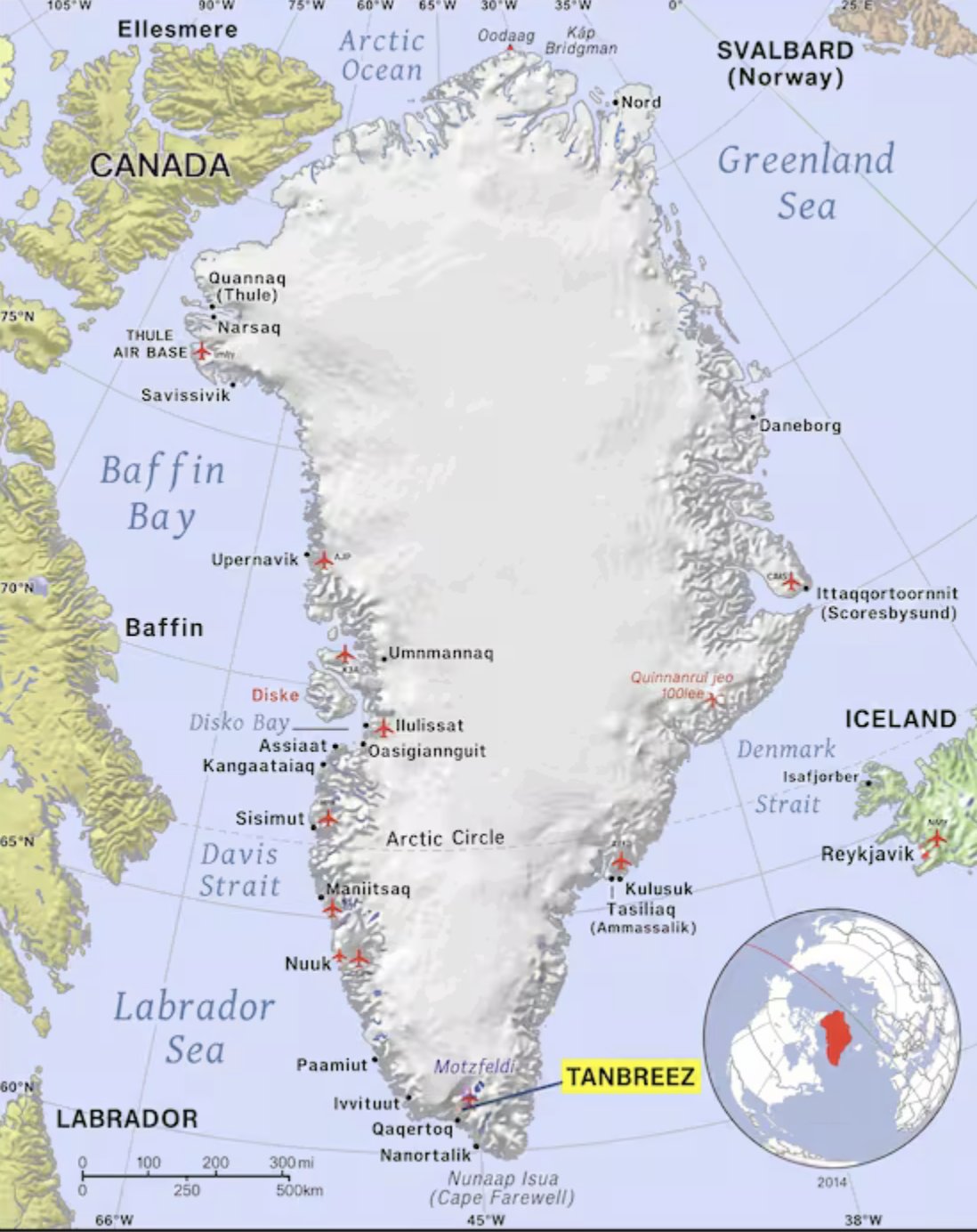
Equally important, Tanbreez features exceptionally low levels of radioactive elements—10–20 ppm uranium and under 100 ppm thorium—addressing a key environmental and permitting hurdle that has stalled other Greenland projects. The site already holds a full mining license valid until 2050, one of only two such licenses among more than 140 active exploration permits on the island.
Strategic Advantages and Timeline to Market
This acquisition aligns directly with U.S. efforts to diversify critical mineral supplies amid China’s dominance of 85% of global rare earth processing capacity and roughly 80% of U.S. imports. Heavy rare earths like dysprosium and terbium enable magnets that maintain performance at high temperatures, making them indispensable for efficient EVs, renewable energy infrastructure, and defense technologies. By extracting in Greenland and processing in the United States, the project creates a secure Western supply chain that reduces geopolitical risks from export controls or supply disruptions.
Development is accelerating. Critical Metals has committed $30 million to an acceleration program covering drilling, infrastructure, engineering, and metallurgy. A 150-tonne bulk sample program is slated for mid-2026, with pilot plant operations potentially starting soon after. First ore production is targeted for Q4 2028 or Q1 2029, with commercial concentrate exports expected around Q3 2029. Initial output is planned at 85,000 tonnes of rare earth oxides (REO) per year, scalable to 425,000 tonnes annually. The project’s estimated value exceeds $3 billion.
Companies Involved and Investor Opportunities
Critical Metals Corp., a New York-based firm, now holds a controlling interest (approximately 92.5% following earlier transfers approved in April 2026, with the latest 70% stake in the holding entity further solidifying operational control). European Lithium retains a minority stake. The company’s NASDAQ listing (CRML) has seen strong investor interest following these milestones, reflecting optimism around production ramps and Western-aligned supply security.For investors, Tanbreez offers direct exposure to the rare earth sector’s growth drivers: surging demand from the energy transition and defense spending. While mining projects carry execution risks (Arctic logistics, capital intensity), the advanced permitting, low-radioactivity profile, and government backing reduce key uncertainties. Related plays could include U.S. downstream processors like Ucore or magnet makers benefiting from secure feedstock. Broader Greenland activity may also lift sentiment for other critical minerals explorers in allied jurisdictions.
This milestone is part of a broader U.S. strategy emphasizing Arctic partnerships and critical minerals independence. While full-scale production is still years away, the Greenland approval marks a concrete win in securing the minerals essential to America’s energy future and technological edge.
Appendix: Sources and Links
- Original X post by
@jackprandelli
(May 7, 2026): https://x.com/jackprandelli/status/2052511055167869268 (details resource estimates, HREE content, timeline, and strategic context).
e360.yale.edu - Critical Metals Corp official announcement on 70% acquisition approval: https://www.criticalmetalscorp.com/critical-metals-corp-nasdaq-crml-secures-greenland-government-approval-for-70-acquisition-of-60-north-aps-accelerating-development-of-world-class-tanbreez-project/ (May 2026).
criticalmetalscorp.com
- Critical Metals Corp Tanbreez project page: https://www.criticalmetalscorp.com/projects/project-tanbreez/ (project overview, HREE advantages).
criticalmetalscorp.com
- Earlier Greenland approval for 92.5% ownership (April 17, 2026): https://www.criticalmetalscorp.com/greenland-government-approves-transfer-of-final-50-5-of-tanbreez-taking-critical-metals-corp-to-92-5-ownership/ and related coverage.
criticalmetalscorp.com
- CSIS analysis on Greenland rare earths and U.S. strategy: https://www.csis.org/analysis/greenland-rare-earths-and-arctic-security (EXIM financing, geopolitical context).
csis.org
- Yale Environment 360 on U.S. push for Greenland minerals: https://e360.yale.edu/features/greenland-critical-minerals (broader reserves and challenges).
e360.yale.edu
- Additional context from Reuters, BBC, CNBC, and company filings on offtakes, financing, and market impacts (2025–2026 reports).
All data drawn from public company releases, government statements, and independent analyses as of May 2026. This article reflects verified developments and does not constitute investment advice.