In a sharp escalation near the world’s most critical energy chokepoint, Iran and the United States clashed overnight in the Strait of Hormuz, with Tehran accusing Washington of targeting an Iranian-flagged oil tanker and then launching missile, drone, and small-boat attacks on three US Navy destroyers. The incident, which both sides described as defensive, comes as a month-long ceasefire brokered by President Donald Trump holds by a thread while negotiations for a permanent end to the 2026 Iran conflict continue.
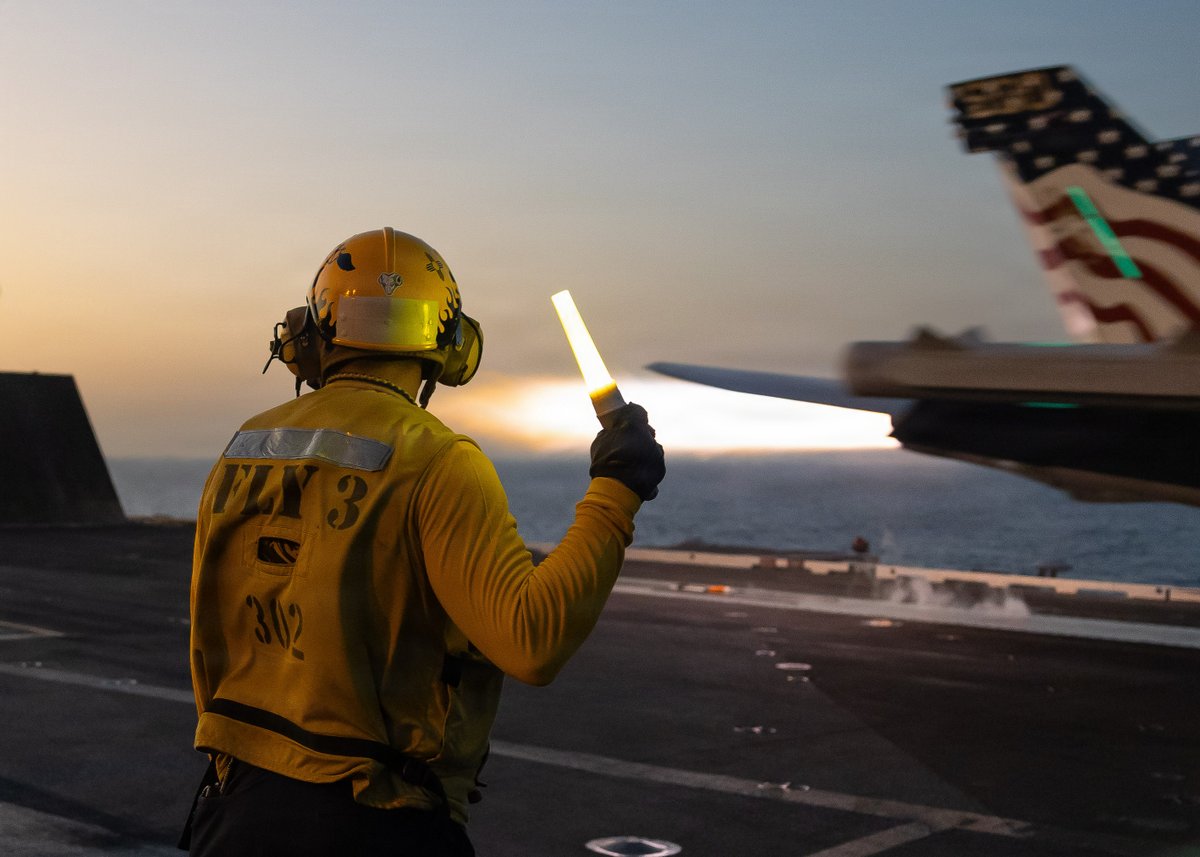
US Central Command (CENTCOM) stated that three Arleigh Burke-class guided-missile destroyers — USS Truxtun (DDG-103), USS Rafael Peralta (DDG-115), and USS Mason (DDG-87) — were transiting the strait when Iranian forces fired multiple missiles, drones, and deployed small boats in what the US called an “unprovoked attack.” US forces intercepted all inbound threats, with no US vessels or personnel reported hit. In response, the US struck Iranian missile and drone launch sites and other military assets responsible for the assault. CENTCOM emphasized the action was purely defensive and that “no vessels were hit” during the exchange.
Iran’s military command offered a different account, claiming the US violated the ceasefire first by firing on an Iranian-flagged oil tanker (and another vessel) in or near Iranian territorial waters as it attempted to breach the ongoing US naval blockade of Iranian ports. Tehran said its forces retaliated immediately against “enemy units” in the Hormuz area, forcing the US ships to retreat toward the Gulf of Oman. Iranian state media described the US warships as having “fled” under fire.
This latest flare-up follows a pattern of maritime confrontations in recent weeks. Iran has seized or fired on multiple commercial vessels, including container ships and at least one oil tanker linked to its shadow fleet (reports mention the Barbados-flagged Ocean Koi / Jin Li as a recent target). The US, for its part, has seized several Iranian-linked tankers attempting to evade sanctions and the blockade. The Hormuz Strait, through which roughly 20% of global seaborne oil and LNG normally flows, has seen hundreds of merchant vessels stranded or rerouted since the US-imposed blockade began in mid-April.
Oil Spill Concerns Mount Around Kharg Island
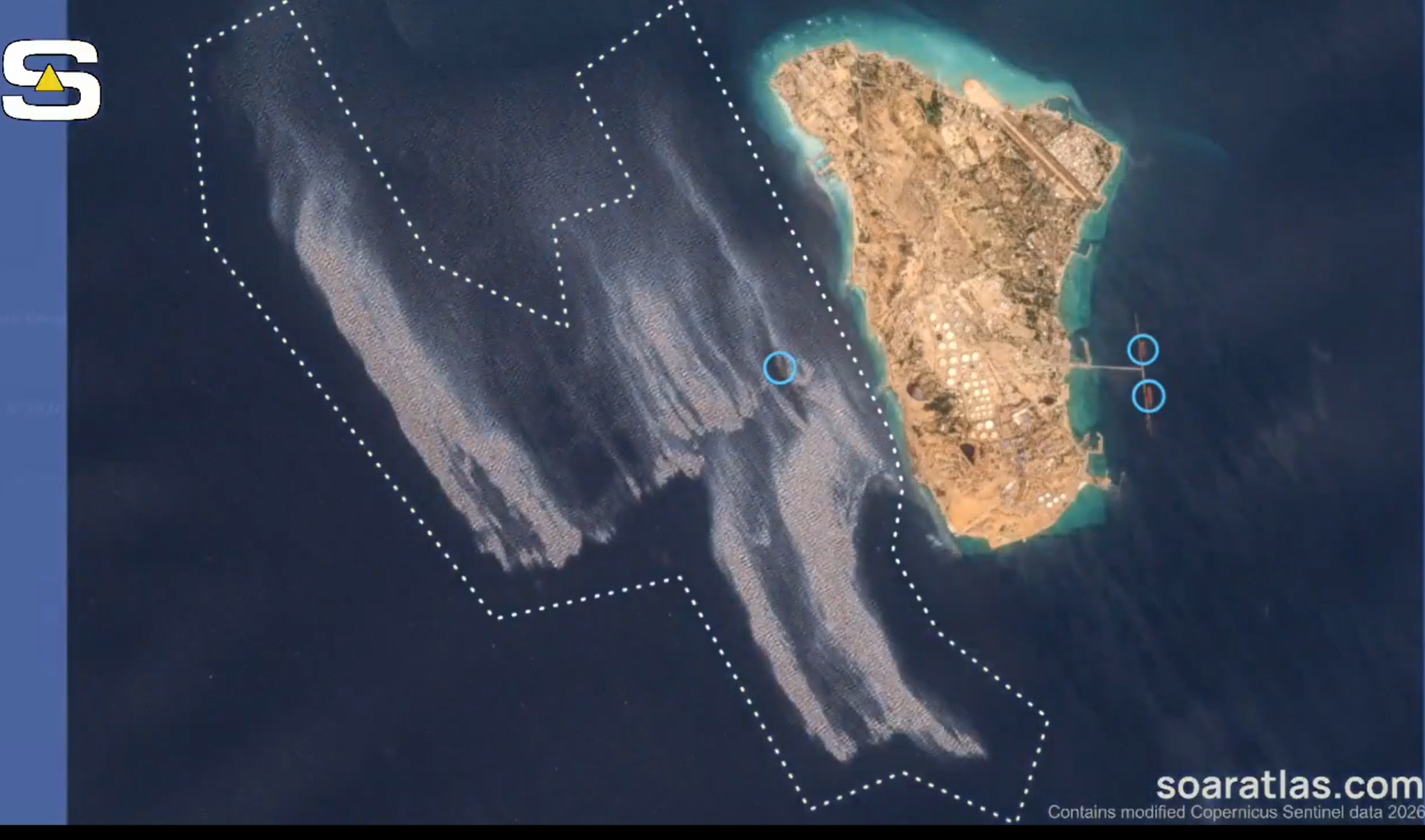
Compounding energy and environmental worries, satellite imagery released in the past 48 hours shows a large oil slick spreading across the Persian Gulf near Iran’s Kharg Island — the country’s primary crude export terminal, responsible for approximately 90% of its oil shipments. The slick, first prominently detected around May 6–7, has been drifting southwest at roughly 2 km per hour, raising fears of contamination reaching waters near Qatar and the UAE.
Analysts and maritime trackers are divided on the cause. The US blockade has severely restricted Iranian oil exports, causing onshore storage tanks at Kharg to fill rapidly (some reports indicate capacity limits could be reached within days). Iran has resorted to using aging tankers for floating storage and has reportedly slowed or adjusted production. Some opposition voices and independent observers speculate the spill could be a deliberate “bleed-off” to free up storage space so wells can continue pumping — an ecologically damaging tactic to buy time amid economic pressure. However, no verified evidence confirms intentional dumping; other explanations include routine operational leaks, transfers under strained conditions, or residual damage from earlier strikes on nearby facilities earlier in the conflict. The enclosed waters of the Persian Gulf make any major spill particularly devastating to marine ecosystems, fisheries, and regional desalination plants.
Market and Energy Implications
Oil prices jumped more than 5% in early trading on news of the clash, reflecting renewed fears of supply disruption through the Hormuz Strait. Brent crude briefly topped $100 per barrel in volatile sessions. While the ceasefire has so far prevented a full closure of the strait, repeated incidents have already led to skyrocketing insurance premiums for tankers, longer routing times, and higher freight costs that ultimately feed into global fuel prices.
President Trump reiterated that the ceasefire remains in effect and described the US response as measured, while awaiting Iran’s formal reply to the latest US proposal to end the war permanently. Both sides have stressed they do not seek broader escalation, but the tit-for-tat naval actions underscore how fragile the truce is — and how quickly energy markets can be rattled by events in this narrow waterway.
Energy News Beat will continue monitoring developments in the Gulf, including any confirmed environmental impact from the Kharg spill and further tanker movements.
All information is drawn from publicly available reporting as of May 8, 2026. Key references include:
- Bloomberg: “US-Iran Clash Near Hormuz as Response on Proposed Deal Awaited” (May 8, 2026) – https://www.bloomberg.com/news/articles/2026-05-08/us-iran-clash-near-hormuz-as-response-on-proposed-deal-awaited?srnd=homepage-americas
- Al Jazeera: “Iran says it attacked US Navy ships after they targeted Iranian tanker” (May 7, 2026) – https://www.aljazeera.com/news/2026/5/7/explosions-heard-in-iran-as-state-media-reports-clashes-with-us-navy
- Reuters / Times of Israel reports on Iranian missile fire and tanker targeting
- CENTCOM statements via X and official releases (quoted across outlets)
- Satellite imagery and spill analysis: The Defense News, X posts from maritime analysts (e.g., Windward/Soar data), and CNN coverage of earlier Gulf spills
- Additional context from AP, Guardian, Reuters, and maritime security reports on vessel seizures and blockade effects
This article is for informational purposes and reflects the latest available reporting; the situation remains fluid.