Energy markets are flashing warning signs as U.S. petroleum product exports remain near record highs while domestic inventories tighten amid escalating geopolitical risks in the Middle East. Veteran energy analyst Anas Alhajji (@anasalhajji) highlighted these concerns in his July 9, 2026, Daily Energy Report on X and Substack, posing a series of pointed questions that cut straight to the heart of U.S. energy security. We will reach out to Dr. Alhajji and see about getting him on the Energy News Beat podcast. We highly recommend subscribing to X and his Substack.
The lead question stands out: “How long can strong U.S. petroleum product exports continue before they cause significant domestic inventory shortages and price spikes?”Alhajji also asks about the expected impact of the Hormuz crisis and SPR releases on U.S. diesel exports and WTI crude prices, among other timely issues.
Record Exports Depleting U.S. Product Inventories
U.S. exports of diesel, propane, gasoline, and jet fuel have surged to or near all-time highs, driven by strong overseas demand. This comes as the Iran conflict escalates, and Russia has halted some diesel exports.
According to Alhajji’s analysis, record fuel exports have pushed U.S. diesel and gasoline stockpiles to their lowest seasonal levels in years. Both gasoline and distillate (diesel) inventories sit below the bottom of their five-year average range.
Key question from Alhajji: Will these elevated export levels continue? Could the U.S. see record declines in product inventories that push prices to new highs? What will be the impact on crude oil prices—particularly WTI—if product inventories keep falling?
These are not hypothetical concerns. Tight product inventories combined with high export volumes create a classic setup for domestic shortages and price spikes if supply chains face any additional stress.SPR at Multi-Decade Lows: Approaching Critical Thresholds
Cross-checking with official data shows the U.S. Strategic Petroleum Reserve (SPR) has been drawn down sharply as part of responses to global supply disruptions.
Latest EIA data (week ending July 3, 2026):
SPR crude oil stocks: 319.5 million barrels (down 6.2 million barrels from the prior week’s 325.7 million barrels).
This is the lowest level since 1983.

There is no strict current legislative “congressional bottom” for the SPR. However, analysts and officials reference several key thresholds:
- Estimated minimum operating level: ~300 million barrels.
- Emergency floor to help prevent salt cavern collapse: ~250 million barrels.
- Previously certified SecDef floor (tied to the 172 million barrel release authorization): 243 million barrels.
At the recent draw rate of ~6.2 million barrels per week (~0.89 million barrels per day):Reaching the ~300 million barrel operational minimum:
- Roughly 20 days (about 19.5 million barrels remaining).
- Reaching the ~250 million barrel emergency floor: Roughly 70 days.
- Reaching the 243 million barrel certified floor: Roughly 76 days.
These are rough linear estimates—actual draw rates can vary, slow as caverns empty, or change due to policy decisions. Further releases would accelerate the timeline and heighten risks to long-term energy security.
Cushing Inventories Remain Critically Low
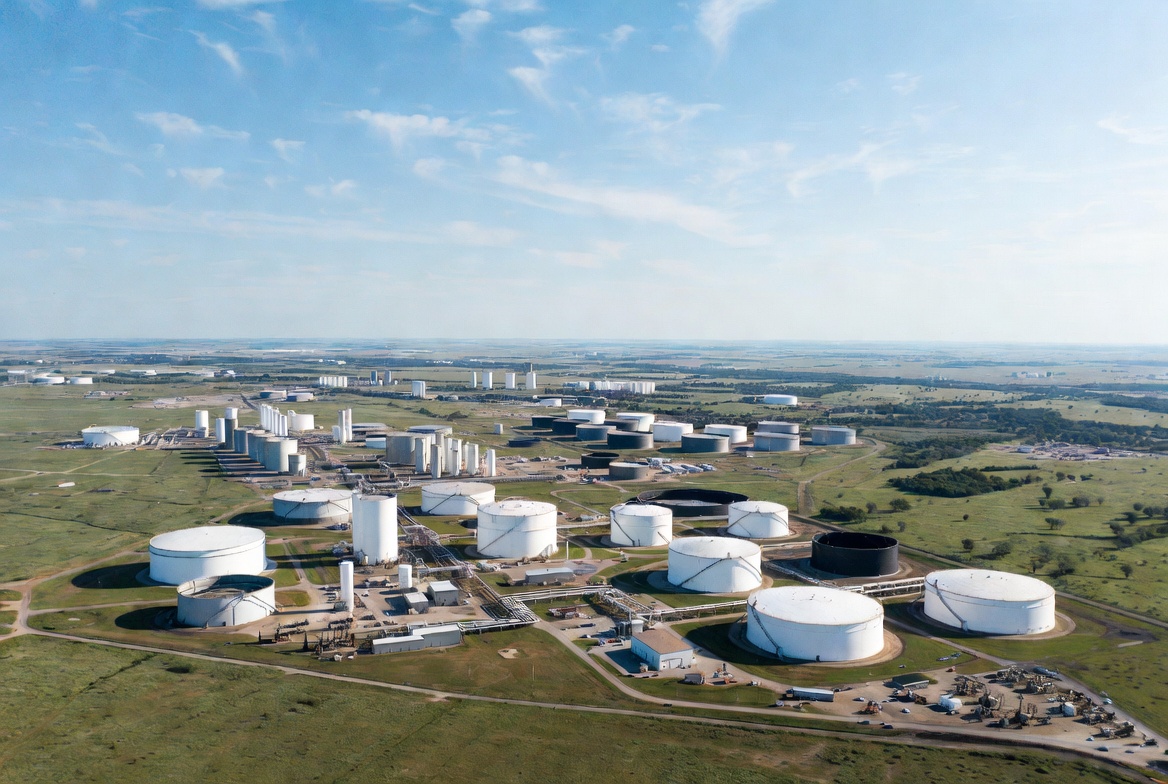
At the key WTI pricing and delivery hub in Cushing, Oklahoma, commercial crude inventories are also under pressure.
Latest EIA data (week ending July 3, 2026): Cushing stocks stood at 19.6 million barrels.
This level is near or slightly below the widely cited operational floor of around 20 million barrels. Below this threshold, operational challenges increase (difficulty pulling oil from tanks, quality issues from water/sediment).

Has Cushing’s inventory increased? Yes, modestly in recent weeks. It bottomed around 18.96 million barrels in mid-June before rising to the 19.6–19.7 million barrel range. However, it remains extremely tight historically and vulnerable to further draws from strong export demand and refining activity.
Escalating Hormuz Tensions and Oil Price Impact
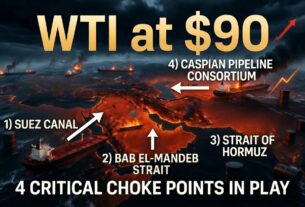
Tensions surged significantly in recent days. On July 6–7, 2026, Iran launched missile and projectile attacks on multiple commercial tankers (including an LNG carrier) transiting the Strait of Hormuz. The U.S. responded with strikes on Iranian targets, and President Trump declared the fragile ceasefire over.
Potential impacts going forward:
- Renewed disruptions through Hormuz (which handles ~20% of global seaborne oil trade) could tighten global supplies further.
- Higher oil prices support U.S. producers and exporters but increase costs for domestic refiners and consumers.
- SPR releases have helped offset some global shortages, but continued draws exacerbate the domestic inventory tightness Alhajji flags.
- U.S. product exports could face headwinds or opportunities depending on how global refining and demand shift.
The combination of record U.S. product exports, multi-decade low SPR levels, critically tight Cushing stocks, and fresh Hormuz escalation creates a fragile balance. Domestic shortages or price spikes become more likely if exports remain elevated or if geopolitical risks escalate further.
Why Alhajji’s Questions Matter Now
- Anas Alhajji X post (July 9, 2026): https://x.com/anasalhajji/status/2075291810922926161
- AF Alhajji Substack Daily Energy Report (July 9, 2026): https://afalhajji.substack.com/p/daily-energy-report-6b6
- EIA Weekly Petroleum Status Report (week ending July 3, 2026): https://www.eia.gov/petroleum/supply/weekly/
- EIA Cushing, OK Ending Stocks data series: https://www.eia.gov/dnav/pet/hist/LeafHandler.ashx?n=PET&s=W_EPC0_SAX_YCUOK_MBBL&f=W
- DOE SPR Quick Facts (as of June 25, 2026): https://www.energy.gov/hgeo/opr/spr-quick-facts
- Trading Economics / EIA SPR levels reporting: Multiple references to 319.5M barrels week ending July 3, 2026
- Al Jazeera, Reuters, AP, Guardian reporting on July 2026 Hormuz tanker attacks, U.S. strikes, and oil price reaction (July 7–10, 2026)
- Wikipedia and secondary analyses on 2026 Strait of Hormuz crisis and SPR historical floors
All data was cross-checked against primary EIA sources where possible. Market conditions can change rapidly—always verify the latest releases.