In a one-two punch that is sending shockwaves through global energy markets, the United Arab Emirates has exited OPEC and OPEC+ — and is now openly discussing a currency swap line with the United States. The moves come at a moment of historic turmoil: an ongoing Iran war has disrupted oil flows through the Strait of Hormuz, sent prices spiking, and exposed deep fractures within the Gulf’s oil-producing bloc.
For Energy News Beat listeners and investors tracking crude, natural gas, and the broader energy transition, these developments are not just geopolitical theater — they could reshape oil supply dynamics, strengthen the U.S. petrodollar system, and influence everything from gasoline prices at the pump to long-term investment opportunities in the Gulf.
The OPEC Exit: A Strategic Break After Nearly 60 Years
On April 28, 2026, the UAE’s state news agency WAM announced that the country would formally withdraw from OPEC and the wider OPEC+ alliance effective May 1 — just days after the decision. The UAE, a founding member since 1967 and one of the cartel’s top producers (roughly 3.6–4.8 million barrels per day depending on the source), cited a review of its “national interests” and long-term energy strategy.
Internally in UAE media and official statements, the move is framed as a forward-looking, policy-driven decision — not a political rift. Government officials and industry experts told Gulf News and Khaleej Times that the exit frees the UAE from production quotas that have constrained its ability to ramp up output in line with global demand. ADNOC (Abu Dhabi National Oil Company) has already announced $55 billion in project awards for 2026–2028 to accelerate capacity growth toward 5 million barrels per day by 2027. Officials emphasize the UAE will continue to act “responsibly,” gradually increasing production in response to market conditions while focusing on its broader economic vision beyond oil.
Externally, international outlets describe the exit as a “heavy blow” to OPEC and its de facto leader, Saudi Arabia. Reuters, BBC, Al Jazeera, The New York Times, and Bloomberg all highlight how the departure weakens the cartel’s control over roughly 26–30% of global supply at a time when the Iran conflict has already created unprecedented energy shocks. Analysts call it the largest producer to ever leave OPEC and a sign of deepening Gulf divisions. Some Western coverage even frames it as a quiet win for U.S. influence in the region.
The timing is no coincidence: OPEC+ quotas have long frustrated Abu Dhabi, which believes it can produce more without destabilizing markets. The Iran war has only amplified those tensions.
Currency Swap Talks with the U.S.:
Joining an “Elite Group”
Just six days after the OPEC announcement, UAE Minister of Foreign Trade Thani bin Ahmed Al Zeyoudi told an audience in Abu Dhabi that discussions with Washington about a currency swap facility are “under discussion” and represent “an elite matter. It is not about bailing out.”
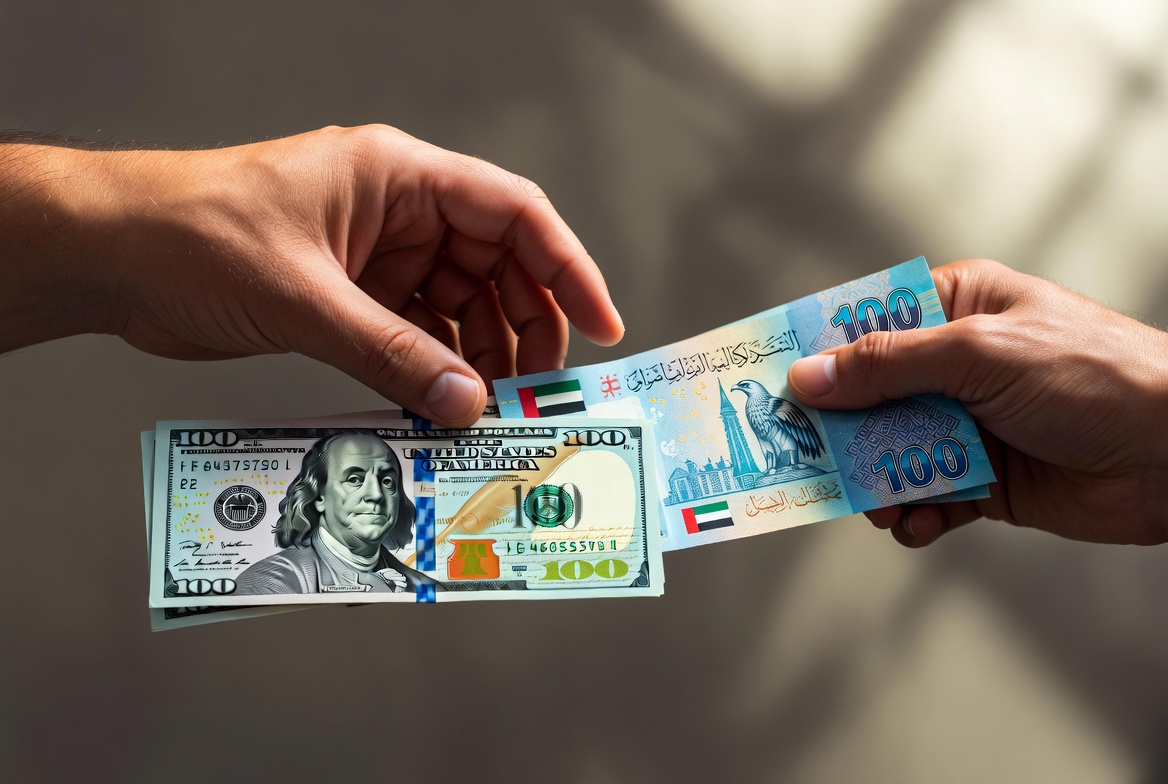
What is a currency swap line? In simple terms, it is an agreement between the U.S. Federal Reserve (or Treasury) and a foreign central bank allowing the foreign bank to exchange its local currency for U.S. dollars for a set period. These lines provide emergency dollar liquidity during crises without forcing the sale of assets in a fire sale. The Fed currently maintains permanent or standing swap lines with only a handful of “elite” central banks — typically those of the UK, Canada, eurozone, Japan, and Switzerland.
The UAE’s interest stems directly from the Iran war’s impact: disrupted oil exports through the Strait of Hormuz have threatened dollar inflows, raised fears of capital flight, and strained the UAE’s economy despite its sovereign wealth funds. Reports indicate the UAE had warned it might need to price some oil sales in Chinese yuan if dollar shortages worsened — a direct challenge to the petrodollar system.
How This Strengthens the U.S. Petrodollar — and Why It Matters
The petrodollar system — born in the 1970s — is the arrangement under which most global oil is priced and settled in U.S. dollars. This creates constant demand for dollars, allows the U.S. to run larger deficits, and funnels oil revenues back into U.S. Treasuries and assets.
A Fed swap line with the UAE would:
Provide reliable dollar liquidity, reducing any incentive for Abu Dhabi to shift even partially to yuan or other currencies for oil sales.
Encourage continued recycling of petrodollars into U.S. assets rather than disorderly sales.
Deepen financial and strategic ties between the U.S. and a key Gulf ally at a time when BRICS nations are exploring alternatives to dollar dominance.
In short, the swap line is dollar diplomacy in action: it keeps the UAE firmly inside the U.S.-led financial orbit and shores up the petrodollar precisely when geopolitical stress could have cracked it.
What It Means for Consumers and Investors
For everyday consumers:
Greater UAE production flexibility outside OPEC quotas could eventually add meaningful supply to global markets. Once the current Iran-related disruptions ease, analysts expect downward pressure on oil prices. That translates to potentially lower gasoline, heating oil, and electricity costs — welcome relief after the recent energy shock.
For investors and energy markets: Oil & Gas Sector: ADNOC’s aggressive expansion creates opportunities in upstream projects, services, and related infrastructure.
Market Dynamics: A less cohesive OPEC+ means more market-driven (and potentially more volatile) pricing. Expect increased competition among producers.
Broader Portfolio: Stronger U.S.-UAE financial ties support dollar strength and Treasury demand. Energy investors should watch for ADNOC IPO activity, sovereign wealth fund flows, and any ripple effects on Saudi or Russian production strategies.
Risks: Short-term volatility remains high due to the Iran conflict; longer-term de-dollarization pressures could re-emerge if swap talks stall.
The Bottom Line
The UAE’s OPEC exit and simultaneous pursuit of a U.S. currency swap line are two sides of the same strategic coin: Abu Dhabi is prioritizing national energy and financial sovereignty while reinforcing its alignment with Washington. For the energy world, this signals a more fragmented but potentially more flexible oil market — one where supply can respond faster to demand, and where the U.S. petrodollar system receives a timely reinforcement.
Energy News Beat will continue monitoring ADNOC’s production ramp-up, Fed-UAE swap developments, and their impact on WTI and Brent futures. Stay tuned for deeper analysis in our upcoming podcasts and market briefings.
Appendix: All Sources
- Reuters – “UAE leaves OPEC in blow to global oil producers’ group” (Apr 28, 2026)
- BBC – “United Arab Emirates to quit oil cartel Opec” (May 2026)
- Al Jazeera – “UAE leaves OPEC in blow to oil cartel during war on Iran” (Apr 28, 2026)
- The Guardian – “UAE quits Opec in win for Trump as oil cartel weakened” (Apr 28, 2026)
- Bloomberg – “UAE to Leave OPEC and OPEC+ Next Month” (Apr 28, 2026) and “UAE Says Swap Talks With US Are About Joining ‘Elite’ Group” (May 4, 2026)
- The New York Times – “UAE Says It Will Leave OPEC as Iran War Strains Oil Markets” (Apr 28, 2026)
- Gulf News & Khaleej Times – UAE official statements and expert commentary on policy-driven exit (Apr 28–May 2, 2026)
- Additional reporting from Reuters, WSJ, Fortune, and Atlantic Council on swap line context and petrodollar implications (Apr–May 2026).
All information is drawn from publicly available reporting as of May 4, 2026. Markets move fast — always cross-reference latest filings and official statements.