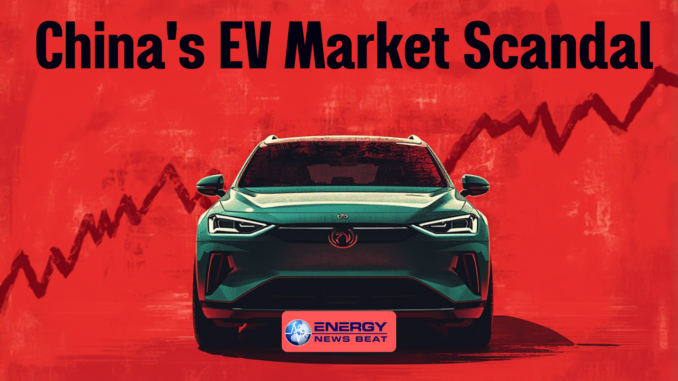
In a bombshell video exposé by commentator Ken Cao, China’s electric vehicle (EV) industry—long touted as a global powerhouse—is unraveling under a web of systemic fraud and financial manipulation. Cao details how giants like BYD are inflating sales through “zero-kilometer used cars”: vehicles pre-registered as sold to claim subsidies and loans, only to languish in lots before being dumped as “used” with diminished warranties and values. This isn’t isolated sleight-of-hand; it’s a nationwide scheme echoing the Evergrande real estate collapse, where fake prosperity masks mounting debts and overcapacity. But the parallels don’t stop at China’s borders. This scandal rivals the corruption scandals plaguing EV initiatives in U.S. states like California and Minnesota, where subsidies, mandates, and political favoritism have bred waste and fraud. As the dust settles, the fallout could reshape the global EV landscape, bolstering innovators like Tesla while crippling China’s export ambitions and economy—potentially even escalating geopolitical tensions.
China’s Electric Vehicle Industry Is Imploding | BYD Caught in Massive Fraud Scheme.
In this video, I expose the shocking truth behind China’s new energy vehicle (NEV) industry collapse — and how BYD, once hailed as the “China Tesla,” is now caught in a web of fake sales,… pic.twitter.com/w84fF7TAGC— Ken Cao-The China Crash Chronicle (@Ken_LoveTW) January 2, 2026
Unpacking the Fraud: China’s EV House of Cards
At the heart of Cao’s video is BYD, once hailed as the “Tesla of China.” The company, along with peers like Great Wall Motors and Chery, has been caught in subsidy scandals that auditors uncovered in 2025. Recent audits by China’s Ministry of Industry and Information Technology (MIIT) revealed BYD and Chery improperly claimed subsidies for over 12,000 vehicles between 2016 and 2020, amounting to hundreds of millions of yuan.
Chery alone faced penalties for falsifying claims on nearly 10,000 units, while BYD was implicated in similar overreach.
These aren’t mere accounting errors; they’re deliberate manipulations to unlock government funds tied to sales targets.Cao describes a vicious cycle: Manufacturers pre-register unsold cars to report phantom growth, securing subsidies and bank financing. After months in storage, these “new” vehicles hit the market as “used,” slashing resale values and leaving consumers with denied warranties and insurance headaches. This fraud has fueled brutal price wars, with BYD slashing prices by up to 30% in May 2025, triggering an 8.6% stock plunge and industry-wide losses of 138 billion yuan in the first eight months of 2023 alone.
By Q3 2025, BYD’s profits sank 33% year-over-year, and analysts warn of a “subsidy cliff” in 2026 as exemptions end, potentially bankrupting dozens of firms.
Echoing this, X users have highlighted BYD’s woes: Dealers collapsing under inventory gluts, suppliers unpaid for months, and factories cutting shifts by a third.
One analyst on X noted BYD’s debt could be nearly 10 times reported levels, with falsified sales pushing suppliers toward bankruptcy.
Great Wall’s chairman even called it “legal fraud,” admitting 3,000-4,000 sales channels are involved.
This mirrors U.S. scandals. In California, critics allege an “illegal cartel” formed to push electric trucks via mandates, with corruption in EV charging projects like Irvine’s Great Park, where federal probes targeted data privacy and favoritism.
Governor Newsom’s proposed EV credit excludes Tesla, reeking of political bias.
Minnesota, meanwhile, grapples with broader fraud in aid programs, including COVID-era lending tied to EV incentives, leading to suspended borrowers and halted grants.
Both states highlight how subsidies invite abuse, much like China’s system, where 85 billion yuan in taxpayer funds may vanish into thin air.
Global Ripple Effects: A Market in Turmoil
The implosion of China’s EV sector—accounting for 60% of global sales—will send shockwaves worldwide.
Overcapacity has led to suicidal pricing, flooding markets with cheap but questionable vehicles. Emerging economies face a glut of gasoline cars China can’t sell domestically, while EVs spark trade wars.
The EU’s 35% tariffs and U.S. bans under the Inflation Reduction Act have already curtailed exports, eroding trust in “Made in China” amid fire risks and poor quality.
X discussions note fields of rotting BYDs, spontaneous combustions, and avoided parking spots near Chinese EVs.
This could lower global EV prices in the short term but stifle innovation, as fraudulent growth distorts markets. Insurers in China lost 5.7 billion yuan on NEV policies in 2024, signaling broader financial contagion.
For consumers, it means cheaper options but with hidden costs like reliability issues.
Tesla Emerges Stronger: The Tech Edge
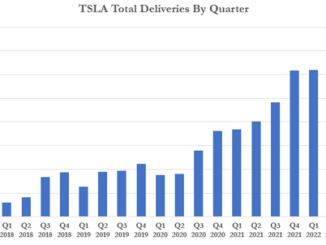
Amid the chaos, Tesla stands poised to dominate. While BYD overtook Tesla in 2025 sales (4 million vs. Tesla’s declining 1.79 million), Tesla’s focus on technology—Full Self-Driving (FSD), robotaxis, and AI—sets it apart from hardware-centric Chinese rivals.
Tesla’s 9% sales drop reflects market saturation, but its software ecosystem provides recurring revenue untethered to subsidies. As Chinese firms falter under fraud probes and tariffs, Tesla’s vertical integration and innovation could make it the last global leader standing, especially if U.S. policies favor domestic tech over imported hardware.
Hammering China’s Exports and Economy
China’s EV exports, a key growth driver, face devastation. Tariffs and scrutiny over subsidies will slash shipments, with BYD’s “export dreams dying” per Cao. Overcapacity—dozens of makers at risk of closure in 2026—could lead to bankruptcies spreading across supply chains.
Economically, this mirrors Evergrande: Job losses in manufacturing hubs, unpaid suppliers (BYD’s payables stretch 182 days), and a GDP hit from wasted subsidies.
With EV insurance losses mounting and demand shrinking, Beijing’s “green ambitions” could cost trillions, exacerbating deflation and debt.
Could This Spark a War? Diversionary Tactics in Play
Speculation abounds: Will Beijing start a conflict to distract from domestic woes? Historical precedents like Argentina’s Falklands War suggest yes—economic crises often fuel nationalism. Tensions over Taiwan or the South China Sea could escalate as a cover for EV scandals, rallying support amid collapsing industries. However, full-scale war seems unlikely; trade dependencies and nuclear risks favor saber-rattling over invasion. Still, heightened aggression could stem from desperation, as X users warn of a “house of cards” crumbling.
A Wake-Up Call for the Energy Sector
China’s EV scandal exposes the perils of subsidy-driven growth, paralleling U.S. pitfalls in California and Minnesota. As global markets adjust, Tesla’s tech prowess positions it for leadership, while China grapples with export slumps and economic pain. Whether this leads to war or reform, one thing’s clear: The EV revolution demands transparency, not illusions. For energy stakeholders, it’s time to bet on sustainable innovation over fraudulent hype.
Sources: ainvest.com, techinasia.com,nytimes.com, insurancejournal.com